The Archetype Is a Position, Not a Symbol
Archetypes are not metaphors or personality types. They are stable identity positions that reality recognizes and responds to once negotiation ends.

Most people misunderstand archetypes. They treat them as symbols, personality types, or storytelling devices—useful for interpretation, but ultimately abstract. In doing so, they miss the function archetypes actually serve. Archetypes are not metaphors layered onto reality. They are positions reality already responds to without interpretation.
An archetype is what forms when identity stabilizes into a recognizable configuration. It is not invented by culture; it is recognized by it. Long before stories are told, names assigned, or myths recorded, the position exists. When someone inhabits that position fully—without negotiation—events reorganize around them with surprising speed and coherence. History later narrates this as destiny, charisma, genius, or fate. In truth, it is alignment.
This is why the same figures keep appearing across eras. Cleopatra, Joan of Arc, Picasso, modern artists, athletes under pressure, spiritual teachers—different contexts, different personalities, but the same structural stances. History does not repeat characters. It repeats identity positions that solve the same human problems again and again. When an individual enters one of these positions, reality does not need instructions. It already knows what to do.
I. The Error of Treating Archetypes as Meaning Instead of Mechanics
Modern psychology, literature, and pop spirituality often reduce archetypes to meaning-making tools. They are discussed as symbols we project onto experience, or narratives we use to interpret behavior after the fact. This turns archetypes into passive ideas—interesting, but inert. When treated this way, they lose their real function.
Archetypes do not exist to explain experience. They exist to organize it. They are not interpretive overlays; they are operational structures. When identity collapses into ambiguity, archetypes appear as stories. When identity stabilizes, archetypes appear as outcomes. The mistake is assuming the story comes first. It never does.
What cultures call myth is usually a record of mechanics observed too late. By the time a figure becomes symbolic, the position has already done its work. The archetype is not born from the story; the story is born because the archetype was successfully inhabited.
II. Identity Does Not Remain Abstract — It Takes Shape
Identity cannot remain formless. Once it stops renegotiating, it crystallizes into a stance. That stance determines posture, timing, tolerance for risk, response to authority, and relationship to uncertainty. Over time, this stance becomes legible—not just to other people, but to circumstance itself.
This is where archetypes emerge. An archetype is simply the shape identity takes when it stops asking permission. It is identity with edges. Boundaries. Direction. The moment identity stops fluctuating between possibilities, it becomes locatable. And what is locatable can be met.
Reality does not respond to intention. It responds to position. Archetypes are positions refined through repetition. They are identity shapes reality has already learned how to route opportunity, resistance, visibility, and consequence toward.
III. Why Entering an Archetype Accelerates Outcomes
When someone inhabits an archetype, events speed up. This is often misread as luck, magnetism, or talent. In truth, it is reduction of ambiguity. The field no longer has to test, delay, or probe. Coherence removes friction.
This explains sudden authority, improbable momentum, and the feeling that life “locks in” around certain individuals. Nothing mystical has occurred. The identity position is simply clear enough to be acted upon. The archetype acts like a coordinate—once entered, everything knows where to go.
This is also why partial identification produces noise. When someone gestures toward an archetype without inhabiting it, reality responds inconsistently. Signal flickers. Momentum stalls. The archetype is not impressed by effort. It responds only to occupancy.
IV. Archetypes Are Not Personality Types
Personality is adaptive. It shifts based on environment, conditioning, trauma, reward, and habit. Archetypes do not. This is the confusion that keeps people circling identity without ever stabilizing it. Personality negotiates. Archetypes decide.
A person can be introverted or extroverted, cautious or bold, agreeable or defiant. These traits fluctuate. An archetype does not describe how someone feels or behaves in a given moment. It describes the structural role identity occupies regardless of mood. Two people can share almost nothing in temperament and still inhabit the same archetype.
This is why imitation fails. Copying behaviors associated with an archetype produces superficial resemblance, not results. Archetypes are not performed; they are assumed. The external markers people try to replicate—confidence, style, speech, posture—are downstream effects. Without the internal position, they collapse under pressure.
V. Archetypes and Pressure: Where the Position Reveals Itself
Archetypes become visible under pressure. Comfort obscures position. Constraint reveals it.
When stakes rise, identity can no longer oscillate. It must choose a stance. This is why archetypes often surface during crisis, competition, exile, or responsibility. Pressure compresses identity until only the essential remains. What remains is the archetype.
This explains why certain individuals seem to arrive fully formed during moments that would dismantle others. They are not rising to the occasion. They are being placed where they already fit. Pressure did not create the archetype; it removed what was in the way.
This is also why archetypal shifts often feel irreversible. Once identity has survived pressure in a particular form, returning to ambiguity feels impossible. The position has been tested. Reality now recognizes it as stable.
VI. The Field Responds to Archetypes Before It Responds to Individuals
Reality does not evaluate people one by one. It responds to patterns it already understands. Archetypes are such patterns.
When identity aligns with an archetype, reality no longer needs to interpret. It routes opportunity, resistance, visibility, and consequence along channels that have existed for centuries. This is why outcomes can appear disproportionate to effort. The individual is no longer being assessed as an unknown quantity.
This also explains why archetypal lives attract projection. Others sense the pattern before they can name it. Admiration, hostility, fascination, and myth-making follow automatically. The archetype activates collective response, not just personal reaction.
What looks like fame, controversy, or destiny is often simply the field recognizing a familiar configuration and responding accordingly.
VII. Assumption Is the Doorway Into Archetype
Archetypes are not chosen through desire, intention, or preference. They are entered through assumption.
Desire asks. Assumption occupies. The difference is structural. When someone assumes an identity position fully, without contingency, behavior reorganizes, decisions simplify, and time compresses. The archetype becomes livable because it is no longer hypothetical.
This is why affirmation without assumption produces friction. Words move faster than identity. The archetype remains unentered. Reality continues to test because clarity has not been achieved.
Once assumption is complete, there is nothing left to signal. The position broadcasts itself automatically. Reality responds because there is no ambiguity to resolve.
VIII. Why This Archive Is Structured Around Archetypes
The Universe Unveiled does not catalog figures for admiration or inspiration. It documents recurring identity positions across time, observed in different bodies, cultures, and conditions.
By approaching identity through archetype rather than abstraction, the archive remains grounded. Archetypes make the invisible legible. They show how identity behaves when it is no longer negotiating.
IX. Living Archetypically
Living archetypically does not require myth, costume, or drama. It requires coherence.
When identity stops oscillating, form appears. When form appears, time reorganizes. When time reorganizes, events line up without explanation. This is not destiny imposed from outside. It is position accepted from within.
Archetypes are not goals to achieve. They are coordinates to enter. Once entered, reality does the rest.
Canon Cross-References
The archetype principle clarifies why figures recur across this archive without requiring explanation each time. Abdullah Unveiled examines the Teacher archetype—authority assumed so completely that outcomes become inevitable. Cleopatra Unveiled explores sovereign power as position rather than force. Joan of Arc Unveiled shows faith functioning as identity under existential pressure. Picasso Unveiled isolates the Creator archetype, where imagination operates without permission or apology. Modern lives and applied works trace the same mechanics under contemporary conditions, where archetypal positions must stabilize amid visibility, speed, and consequence.
The books referenced here, along with others exploring these positions across figures and domains, are gathered in the Library.
These works do not depend on this essay to function. This essay exists to make explicit what they already demonstrate: that when identity resolves into a recognizable form, reality responds consistently—regardless of era, personality, or circumstance.
Closing
Archetypes are not stories we tell about people. They are positions entered when identity stops negotiating. Once entered, explanation becomes unnecessary. Reality recognizes the stance and organizes accordingly. This is why archetypes endure, why history rhymes, and why certain lives accelerate while others stall. The work of this archive is not to invent these positions, but to observe them clearly—so identity can be understood not as a preference, but as a place.
Image Credit:
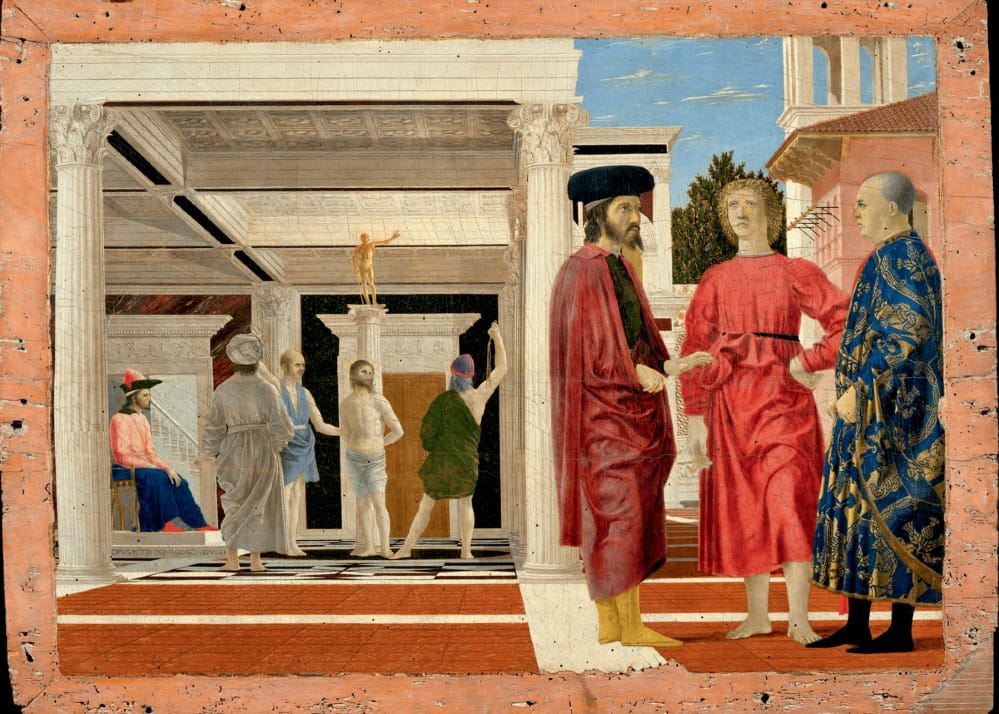
The Flagellation of Christ (c. 1459–1460) by Piero della Francesca. Courtesy of the Galleria Nazionale delle Marche, Urbino, Italy.
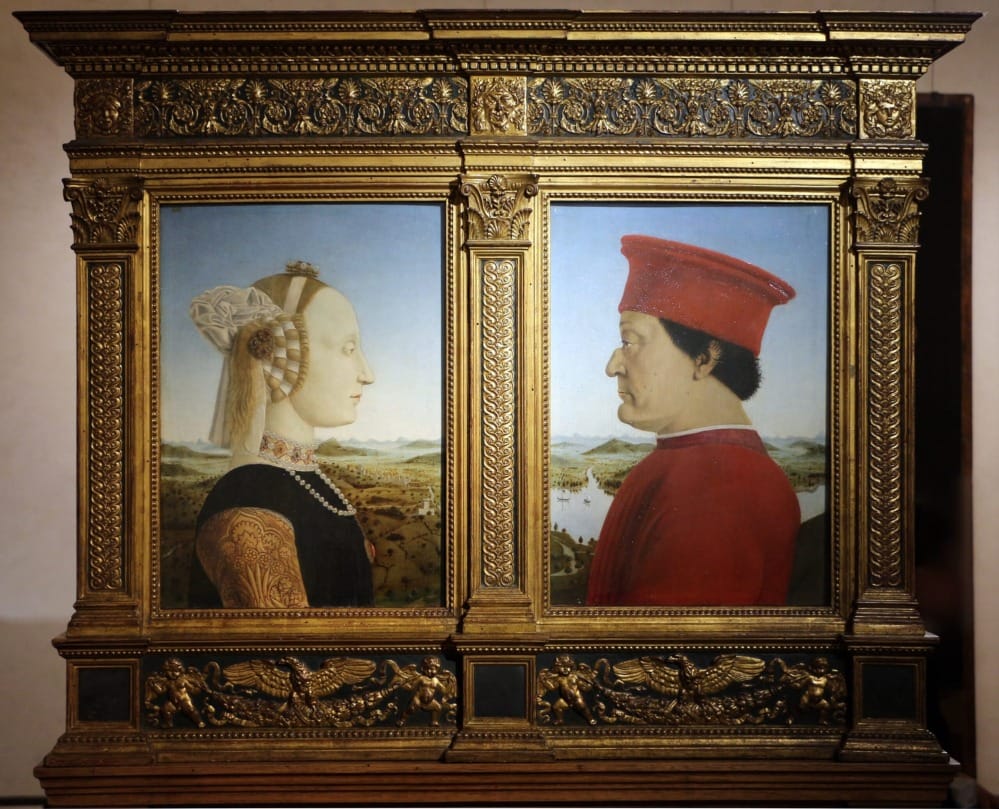
Portraits of the Duke and Duchess of Urbino (Federico da Montefeltro and Battista Sforza), c. 1465–1472, by Piero della Francesca. Courtesy of the Galleria degli Uffizi, Florence, Italy.
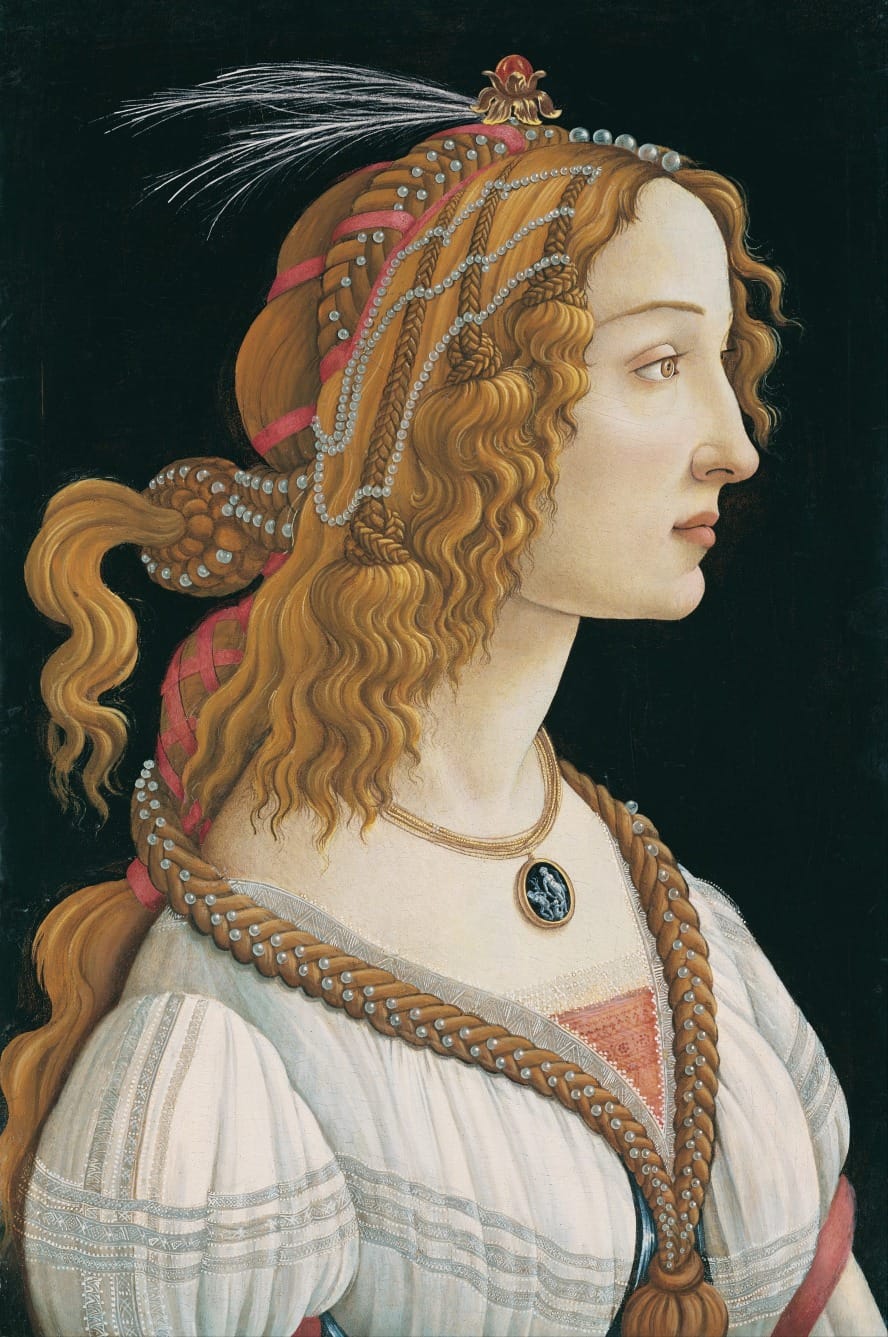
Portrait of a Young Woman, c. 1480–1485, by Sandro Botticelli. Courtesy of the Städel Museum, Frankfurt.
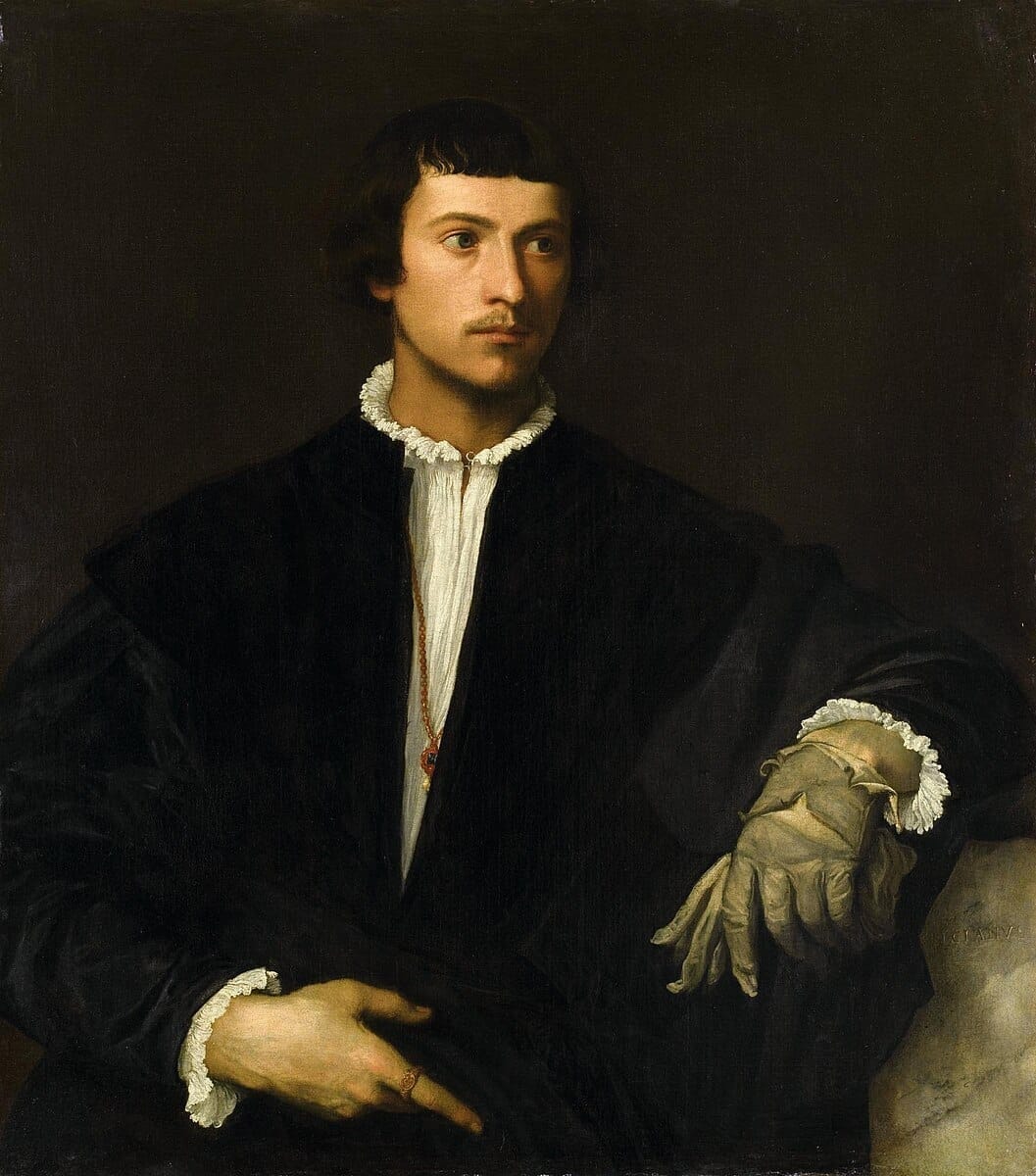
Man with a Glove (c. 1520) by Titian. Courtesy of the Musée du Louvre, Paris.