The Origins of the Law of Assumption
The Law of Assumption is often associated with Neville Goddard, but the philosophy behind it has deeper roots. This article explores the thinkers, mystical teachers, and metaphysical traditions that shaped one of the most influential ideas in modern manifestation.

The Law of Assumption did not begin with motivational speakers, manifestation coaches, or even with Neville Goddard himself.
Like most powerful ideas, it emerged through a lineage.
Before it became a modern manifestation teaching, the Law of Assumption evolved through philosophical movements, mystical teachers, and metaphysical interpretations of consciousness that stretched back more than a century.
What Neville eventually taught the world was not a brand-new philosophy. It was the culmination of a transmission that passed through the New Thought movement, through spiritual experimentation with the power of belief, and finally through the enigmatic teacher who shaped Neville’s understanding of reality: Abdullah.
To understand the Law of Assumption properly, we must trace its origins.
Only then can we see that what Neville presented was not merely a technique for getting what you want. It was a profound doctrine about identity, consciousness, and the nature of reality itself.
The New Thought Foundations
Long before the phrase “Law of Assumption” appeared in Neville Goddard’s lectures, the intellectual and spiritual groundwork had already been laid by a group of thinkers associated with the New Thought movement of the 19th century.
New Thought was a spiritual philosophy that emerged in America during the mid-1800s. It proposed a radical idea for its time: the human mind participates in the creation of experience.
While traditional religious doctrines emphasized divine control over life circumstances, New Thought teachers suggested that consciousness itself possessed creative power.
This idea would later become the foundation for the Law of Attraction, the Law of Assumption, and modern manifestation philosophy.
Several thinkers played particularly important roles in establishing this intellectual foundation.
Ralph Waldo Emerson and the Creative Mind
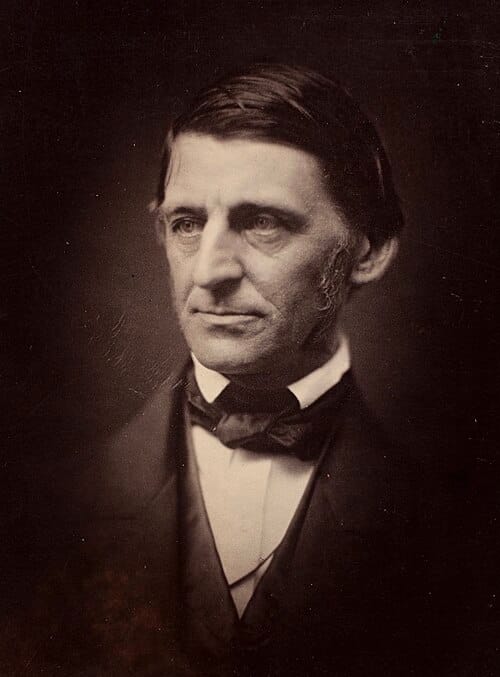
One of the earliest philosophical influences behind the Law of Assumption was the American transcendentalist philosopher Ralph Waldo Emerson.
Emerson’s essays explored the relationship between the human mind and the deeper structure of reality. In works such as Self-Reliance and The Over-Soul, he proposed that the individual consciousness is not separate from the universal intelligence that animates the cosmos.
Emerson wrote that the world reflects the state of the inner self. What a person believes, accepts, and embodies internally eventually appears in the outer environment.
This was not framed as manifestation in the modern sense. Instead, Emerson described it as a metaphysical law of correspondence: the outer world mirrors the inner mind.
In essence, Emerson introduced an early version of a principle that would later appear clearly in Neville Goddard’s teachings:
Reality reflects identity.
Although Emerson did not teach manifestation techniques, his work deeply influenced the spiritual and philosophical environment that allowed New Thought ideas to develop.
Phineas Quimby and Mental Causation
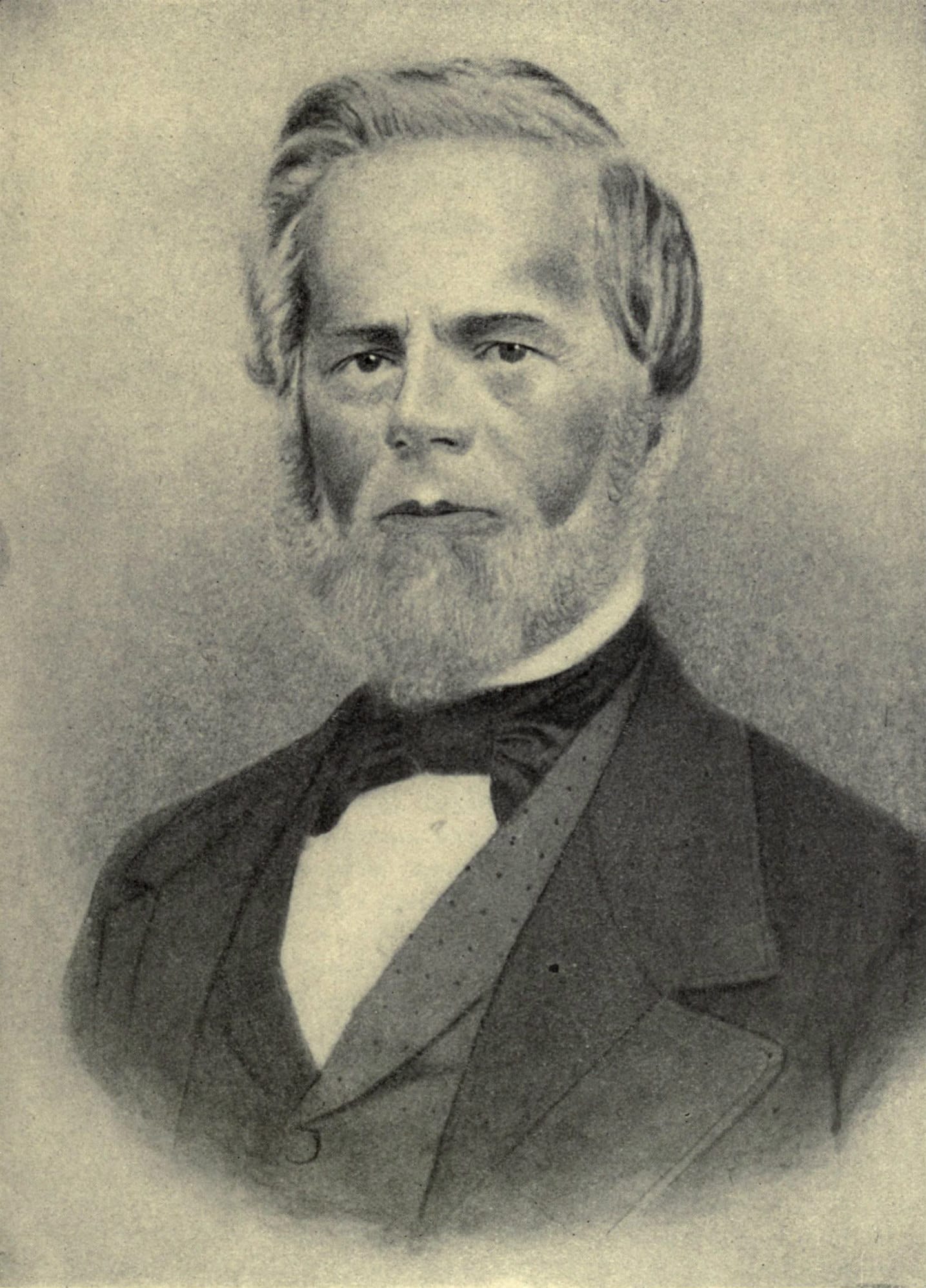
Another foundational figure was Phineas Quimby, a 19th-century healer who explored the connection between belief and physical conditions.
Quimby proposed that illness and life problems were often the result of incorrect mental impressions. In his view, belief shaped the body and the environment.
If a person held a belief about themselves or the world that was rooted in fear, limitation, or misunderstanding, that belief could manifest as suffering.
Conversely, if the belief changed, the external condition could also change.
This idea introduced a crucial concept that would later become central to subconscious reprogramming:
The mind contains patterns that generate experiences.
Quimby’s work influenced later metaphysical teachers, including the founders of several New Thought churches. His teachings laid the groundwork for the idea that changing mental impressions could transform reality.
Early Metaphysical Christianity
The New Thought movement eventually merged these philosophical ideas with spiritual interpretations of the Bible.
Movements such as Divine Science, Religious Science, and Unity began teaching that the Bible was not merely a historical document, but a symbolic guide to the power of consciousness.
Rather than interpreting scripture as external religious events, metaphysical Christianity suggested that biblical stories represented inner psychological processes.
For example:
- The Kingdom of Heaven could be understood as a state of consciousness.
- Faith could be interpreted as belief accepted by the subconscious mind.
- Miracles could be seen as demonstrations of spiritual law.
These interpretations would later become central to the work of the man who transformed these ideas into the Law of Assumption: Neville Goddard.
Abdullah and the Harlem Transmission
Although the philosophical groundwork existed, the Law of Assumption as we know it today did not fully crystallize until the early 20th century.
That transformation occurred through the teachings of the mysterious mystic known as Abdullah.
Abdullah was a teacher of mysticism and metaphysical interpretation of the Bible who lived in Harlem during the 1920s and 1930s. Much about his life remains unknown, which has only deepened his legendary status among students of manifestation.
What is known is that Abdullah profoundly influenced one of the most important teachers in the history of manifestation: Neville Goddard.

In the shadows of history walked one of the most mysterious figures in the world of manifestation — Abdullah, the Ethiopian sage and hidden mentor behind Neville Goddard’s teachings. Abdullah Unveiled reveals the teacher who transmitted the principles that later became known as the Law of Assumption. Through historical insight and mystical storytelling, the book explores imagination, identity assumption, and the spiritual lineage behind Neville’s famous teachings.
The first volume in The Universe Unveiled Masters of Manifestation series, this work uncovers the mystic behind the master and the origins of a philosophy that continues to shape modern metaphysical thought.
Neville Meets Abdullah in Harlem
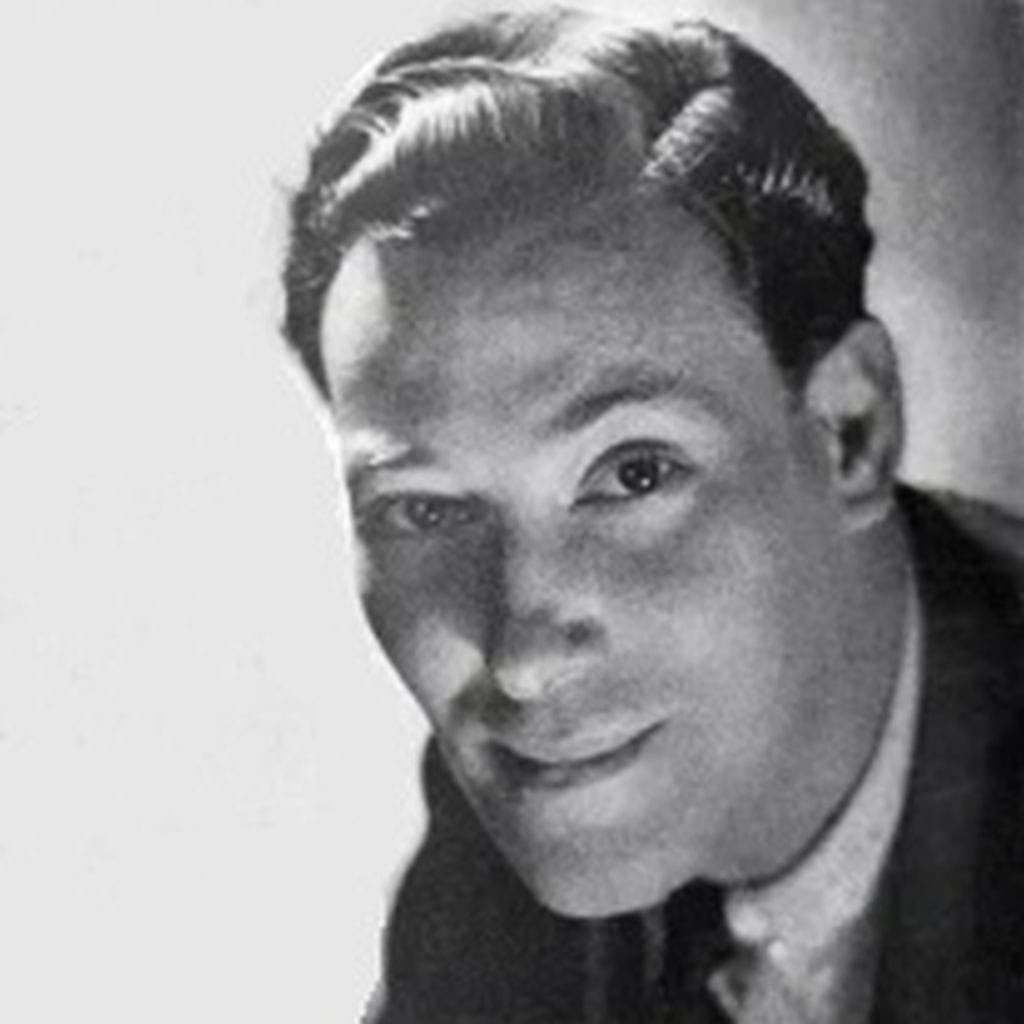
In the early 1930s, Neville Goddard was a young man living in New York City and pursuing a career in theater.
Through a mutual acquaintance, Neville was introduced to Abdullah.
This meeting would completely change the trajectory of his life.
Abdullah taught Neville a radically different interpretation of the Bible than anything he had encountered before. Instead of treating scripture as historical narrative, Abdullah insisted that every story in the Bible represented psychological states within human consciousness.
According to Abdullah, the Bible was a coded manual describing the creative power of imagination.
This interpretation would later become a central theme in Neville Goddard’s lectures and books.
But Abdullah taught Neville something even more powerful than biblical symbolism.
He taught him the principle of identity assumption.
“You Are Already in Barbados”
The most famous story illustrating Abdullah’s teaching involves Neville’s desire to visit his family in Barbados.
Neville believed he could not afford the trip. He explained his financial limitations to Abdullah.
Abdullah’s response was startling.
Instead of offering advice, encouragement, or practical solutions, Abdullah simply told him:
When Neville protested and explained that he was physically standing in New York, Abdullah refused to discuss the matter further.
From Abdullah’s perspective, the conversation was already finished.
Neville later explained that Abdullah’s teaching forced him to accept a new identity internally. Rather than wishing or hoping to go to Barbados, Neville had to assume that he was already the person who had made the journey.
Weeks later, through a series of unexpected events, Neville received passage to Barbados.
This story became one of the most famous demonstrations of what would later be called the Law of Assumption.
The external world rearranged itself after Neville accepted the internal identity.
Identity Assumption
Abdullah’s teaching was radically simple.
Do not try to change the world.
Change who you are.
In modern language, this idea can be described as identity mechanics.
The subconscious mind does not respond primarily to effort or desire. It responds to identity.
If a person assumes the identity of someone who already possesses a certain reality, the subconscious begins reorganizing behavior, perception, and opportunity to reflect that identity.
Abdullah did not present this as a motivational concept.
He treated it as a law.
Once Neville absorbed this teaching, he spent the rest of his life explaining it to the world.
Neville Goddard and the Codification of the Law
While Abdullah transmitted the core idea, Neville Goddard became the teacher who articulated and systematized the Law of Assumption.
Through lectures and books, Neville translated mystical teachings into practical instructions for everyday life.
His work turned a private transmission into a global philosophy.
Feeling Is the Secret
One of Neville’s most influential books, Feeling Is the Secret, explained that the subconscious mind accepts impressions primarily through emotional experience.
If a person imagines an outcome while feeling the emotional state that would accompany it, the subconscious interprets that feeling as reality.
In other words:
Emotion signals belief.
When the subconscious accepts an emotional experience as real, it begins organizing circumstances that match that internal state.
This is why Neville emphasized the importance of feeling during visualization.
It was not the mental image alone that mattered.
It was the emotional conviction behind it.
The Power of Awareness
Another major work, The Power of Awareness, expanded this concept.
Neville explained that awareness itself creates reality.
Whatever a person becomes conscious of being eventually becomes their lived experience.
If someone consistently identifies as successful, abundant, or loved, the subconscious organizes thoughts, behaviors, and opportunities that reflect that identity.
Conversely, if someone repeatedly identifies with limitation, struggle, or rejection, the subconscious continues generating circumstances that confirm that identity.
This teaching reframed manifestation entirely.
Rather than trying to attract external events, Neville argued that the real work happens internally.
Change consciousness, and the external world must follow.
Living from the End
Perhaps Neville’s most famous instruction was the practice of “living from the end.”
This principle encouraged individuals to mentally occupy the state of already having what they desire.
Instead of imagining the process of achieving something, Neville suggested imagining the experience of already possessing it.
For example:
- Instead of imagining getting a new job, imagine already working there.
- Instead of imagining meeting a partner, imagine already being in the relationship.
- Instead of imagining financial improvement, imagine already living comfortably.
By occupying the final state internally, the subconscious accepts that state as reality and begins generating the bridge of events that brings it into physical experience.
This became one of the defining elements of the Law of Assumption.
The Law of Assumption as Identity Doctrine
Today, the Law of Assumption is often taught as a manifestation technique.
But its deeper meaning lies in something much more profound: identity.
At its core, the Law of Assumption is a doctrine about who you believe yourself to be.
Every person carries an internal identity structure that governs:
- behavior
- perception
- emotional reactions
- expectations
- opportunities they recognize or ignore
This structure operates largely within the subconscious mind.
Because of this, simply trying to change external conditions rarely produces lasting transformation.
The subconscious continues recreating familiar patterns.
Real change occurs when identity itself shifts.
When a person assumes a new identity internally, the subconscious gradually restructures behavior and perception to match that identity.
Over time, the external world begins reflecting the new internal structure.
This is why Neville repeatedly emphasized a simple but powerful principle:
Assume the feeling of the wish fulfilled.
In modern language, we might say:
Install the identity that already lives the desired reality.
The Law of Assumption, therefore, is not merely a manifestation strategy.
It is a framework for understanding how consciousness, identity, and the subconscious mind interact to shape the unfolding of life itself.
And when understood in this way, the teaching that began in the New Thought movement, passed through Abdullah’s mentorship, and was articulated by Neville Goddard becomes something far greater than a technique.
It becomes a philosophy of identity.
A reminder that the reality we experience is not separate from the consciousness that perceives it.
And that by changing who we assume ourselves to be, we quietly reshape the world around us.
This deeper identity-centered interpretation of the Law of Assumption is explored in greater detail in our book The Law of Assumption, where we examine how Neville Goddard’s teachings evolved from mystical philosophy into a practical framework for transforming the subconscious mind and reshaping personal reality.
Readers who want a deeper understanding of identity, imagination, and consciousness can continue with The Law of Assumption book and guide to Neville Goddard’s teaching.
Law of Assumption Origins FAQ: Neville Goddard, Abdullah, and New Thought Explained
1. What is the Law of Assumption?
The Law of Assumption teaches that the states of consciousness a person accepts as true eventually become reflected in external reality. Neville Goddard explained that imagination and belief shape the conditions of life.
2. Who created the Law of Assumption?
Neville Goddard popularized the Law of Assumption in the 20th century, although the philosophical roots trace back to New Thought teachings and the mystical instruction he received from Abdullah.
3. Where did the Law of Assumption originate?
The teaching evolved from the New Thought movement, metaphysical interpretations of the Bible, and Neville Goddard's studies with Abdullah in New York.
4. Who was Abdullah?
Abdullah was a mystical teacher living in Harlem who taught Neville Goddard that imagination and identity assumption shape reality.
5. What is the difference between Law of Assumption and Law of Attraction?
The Law of Attraction emphasizes emotional frequency attracting experiences, while the Law of Assumption focuses on assuming the identity of the desired reality.
6. What role did New Thought play?
New Thought philosophy introduced the idea that consciousness and belief influence experience.
7. What does assume the feeling of the wish fulfilled mean?
It means mentally experiencing the emotional state of already having the desired outcome.
8. Why did Neville emphasize imagination?
Neville taught that imagination is the creative power within human consciousness.
9. What is identity assumption?
Identity assumption means mentally becoming the person who already lives the desired outcome.
10. Why is identity important in manifestation?
Identity influences behavior, perception, expectations, and subconscious patterns.
11. What is living from the end?
Living from the end means mentally occupying the state of already having the desired result.
12. Why is the Barbados story famous?
Abdullah told Neville he was already in Barbados, illustrating the power of assumption.
13. Who influenced Neville Goddard?
Neville was influenced by Abdullah, New Thought philosophy, and metaphysical Christianity.
14. What is metaphysical Christianity?
Metaphysical Christianity interprets biblical stories as symbolic representations of psychological states.
15. What is mental causation?
Mental causation is the belief that thoughts and beliefs influence physical circumstances.
16. Who was Phineas Quimby?
Phineas Quimby was an early mental healer whose ideas influenced New Thought philosophy.
17. Who was Ralph Waldo Emerson?
Emerson was a transcendentalist philosopher whose ideas about consciousness influenced metaphysical thought.
18. What is the subconscious mind?
The subconscious mind stores beliefs and patterns that influence perception and behavior.
19. Can beliefs shape reality?
Beliefs influence perception, behavior, and expectations which shape life outcomes.
20. What is imagination in Neville's teaching?
Neville described imagination as the divine creative power within human consciousness.
21. What books explain the Law of Assumption?
Important works include Feeling Is the Secret and The Power of Awareness.
22. What is New Thought?
New Thought is a philosophical movement teaching that consciousness shapes experience.
23. Why does Neville emphasize feeling?
Feeling impresses beliefs onto the subconscious mind.
24. What does assumption mean in manifestation?
Assumption means mentally accepting a state as already real.
25. Can the Law of Assumption change circumstances?
According to the teaching, assuming a new state eventually alters circumstances.
26. What is the bridge of incidents?
The bridge of incidents is the chain of events that leads to the manifestation of an assumed reality.
27. Why is Neville influential today?
His teachings helped popularize identity-based manifestation.
28. Is the Law of Assumption psychological?
Many interpret it psychologically because it involves belief and perception.
29. What is subconscious programming?
Subconscious programming refers to installing new beliefs through repetition and imagination.
30. Why study Neville Goddard today?
People study his teachings to understand how consciousness, identity, and belief influence life outcomes.