When Civilization Perfects the Material but Starves the Human
Material progress has advanced, yet dissatisfaction persists. A reflection on spiritual energy, balance, and what sustains the human beyond material achievement.

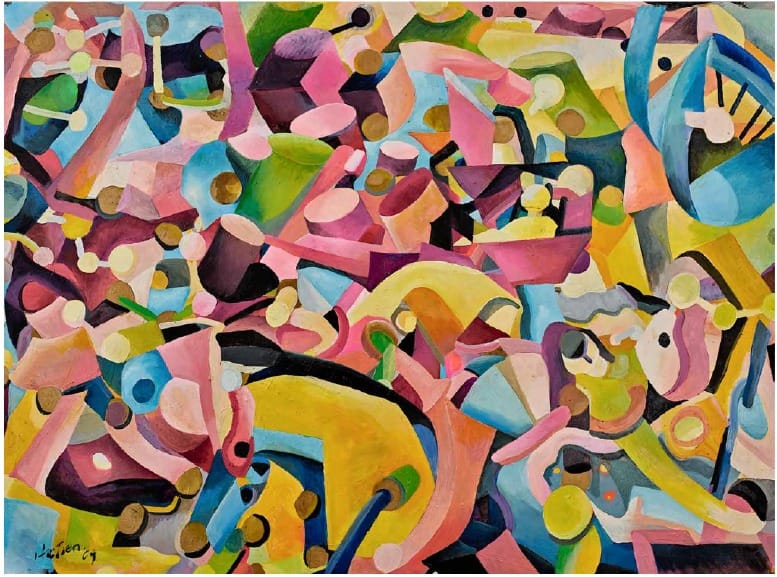
There are moments when a voice appears—not loudly, not insistently—but with a clarity that feels undeniable.
Not because it argues, but because it names something already felt.
This is one of those moments.
Hai Tien (Zhaohai Qin) recently articulated a truth that feels increasingly difficult to ignore: that despite unprecedented material progress, something essential in the human experience is being depleted. Her words are not framed as critique, protest, or nostalgia. They arrive as observation—almost matter-of-fact.
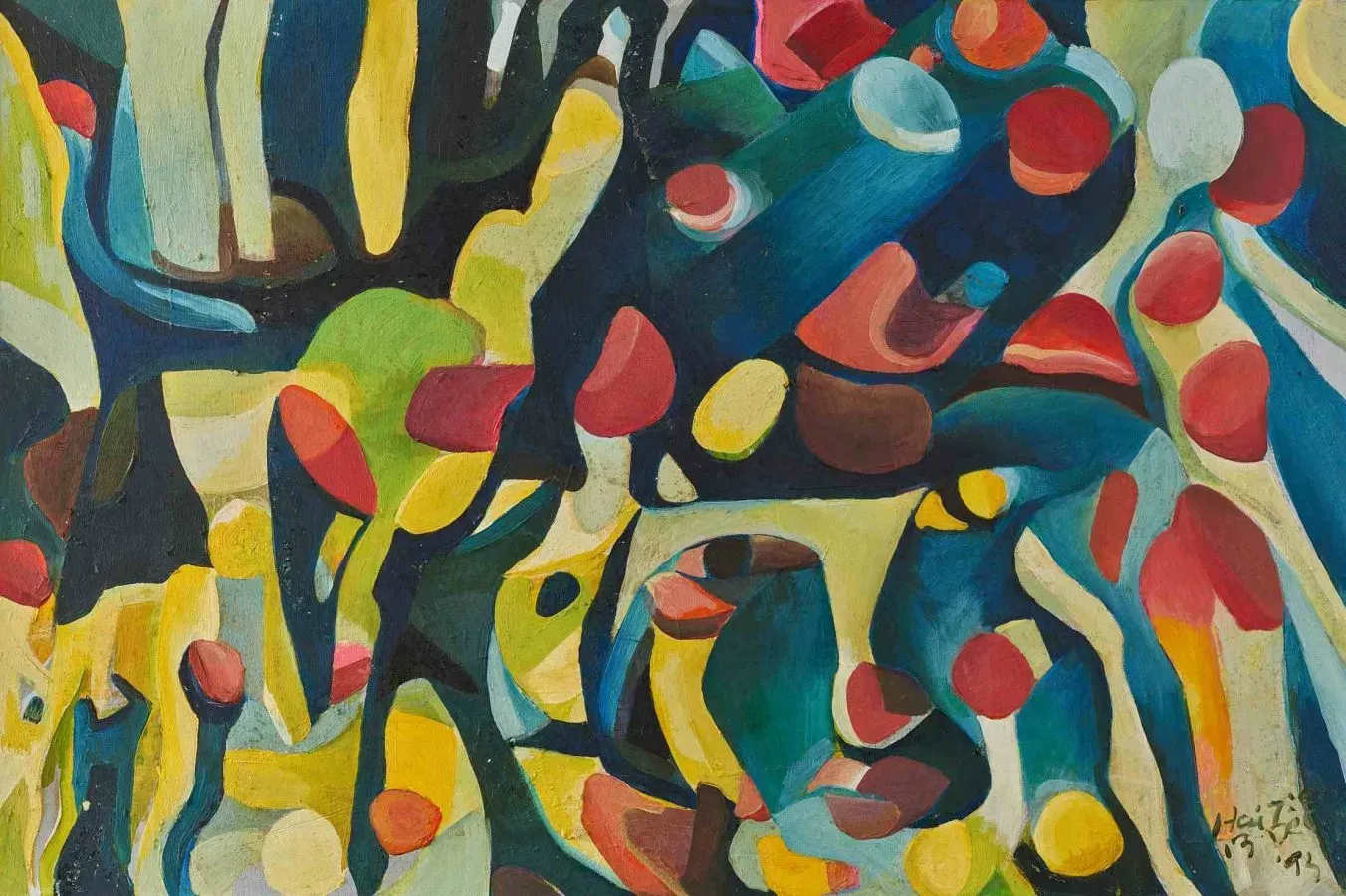
She speaks of art not as an object, nor as a commodity, but as something fundamentally non-material. Something spiritual in origin. Something necessary.
And in that statement, she touches the same fracture this site exists to observe.
Art Was Never Meant to Be Material
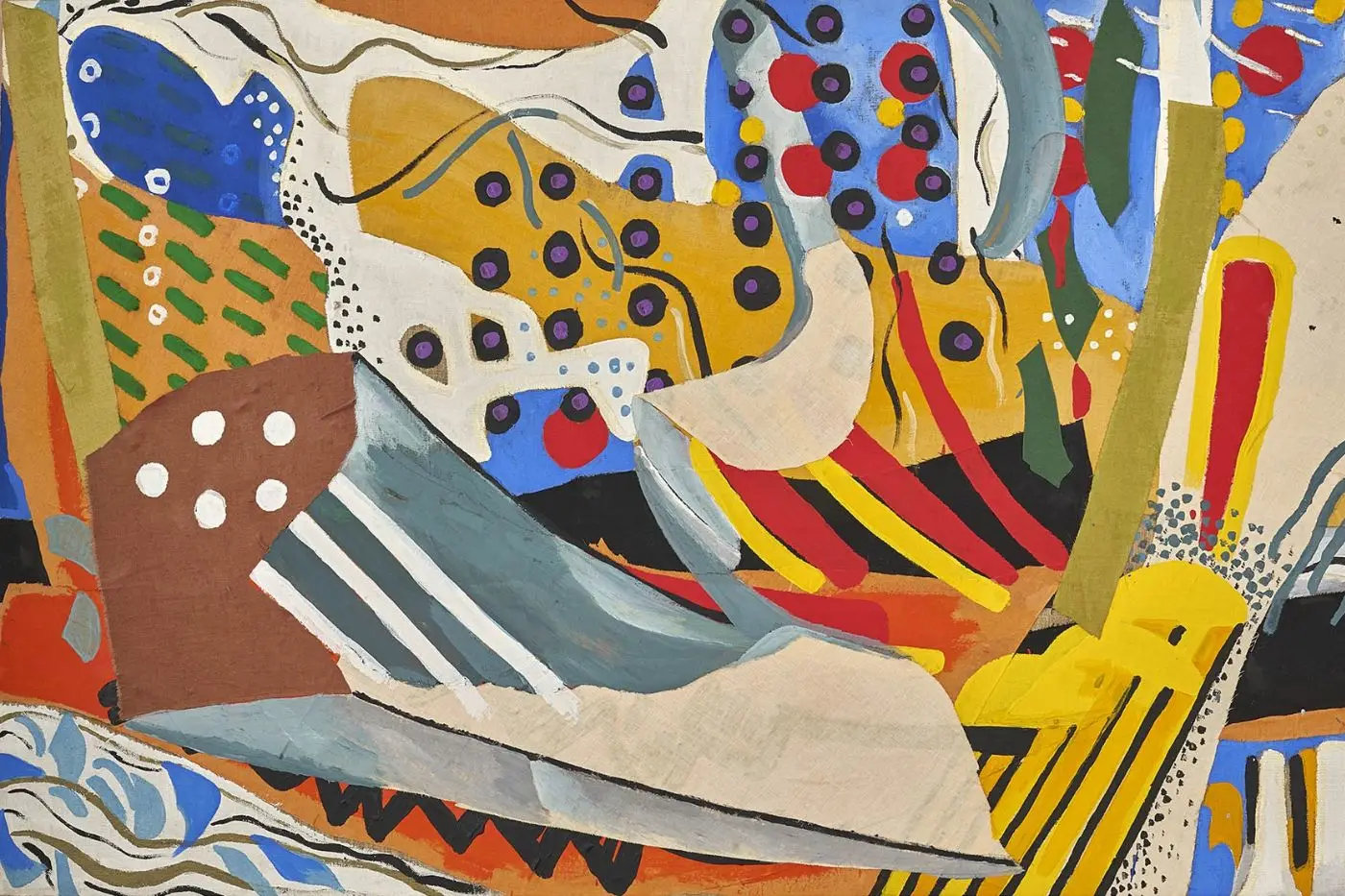
In her own words, Hai Tien explains that art was never, at its origin, about materiality. It was not designed to serve objects, markets, or systems of exchange. Art, she says, is inherently spiritual—entirely so.
This distinction matters.
Because the world we now inhabit is one where material development has reached extraordinary heights. Technology has refined convenience, speed, comfort, and efficiency to levels that would have seemed impossible only decades ago. By almost every measurable standard, the material world has improved.
And yet, unhappiness persists.
Not episodically. Systemically.
Hai Tien asks a question that no longer sounds rhetorical:
Why, if material conditions have become “as good as they can be,” do so many people feel unfulfilled?
Her answer is simple, and unsettling in its simplicity: because spiritual energy is missing.
Spiritual Energy Is Not Abstract
When she speaks of spiritual energy, she is not using metaphor. She is not referring to belief, optimism, or mood.
She is referring to something cultivated—something drawn from civilization itself.
She names its sources clearly:
- morality
- religion
- art
- music
These, she suggests, are not cultural accessories. They are not refinements layered on top of “real life.” They are what define the spiritual dimension of being human.
Remove them, and something essential erodes.
Without this dimension, Hai Tien observes, the human loses distinction. Life becomes purely reactive, instinctual, mechanical. In her words, without spiritual cultivation, the human risks becoming indistinguishable from the animal—not as insult, but as description.
This is not a moral argument. It is an energetic one.
Balance as the Condition for Lasting Happiness
Hai Tien does not frame happiness as pleasure or accumulation. She speaks instead of balance.
Balance between:
- the material and the spiritual
- development and cultivation
- progress and meaning
Only through this balance, she suggests, does a different quality of happiness emerge—not fleeting, not dependent on external conditions, but enduring. A happiness that is stable because it is rooted.
This distinction is central.
The dissatisfaction of the modern world is not caused by lack. It is caused by imbalance.
Why Her Voice Carries Weight
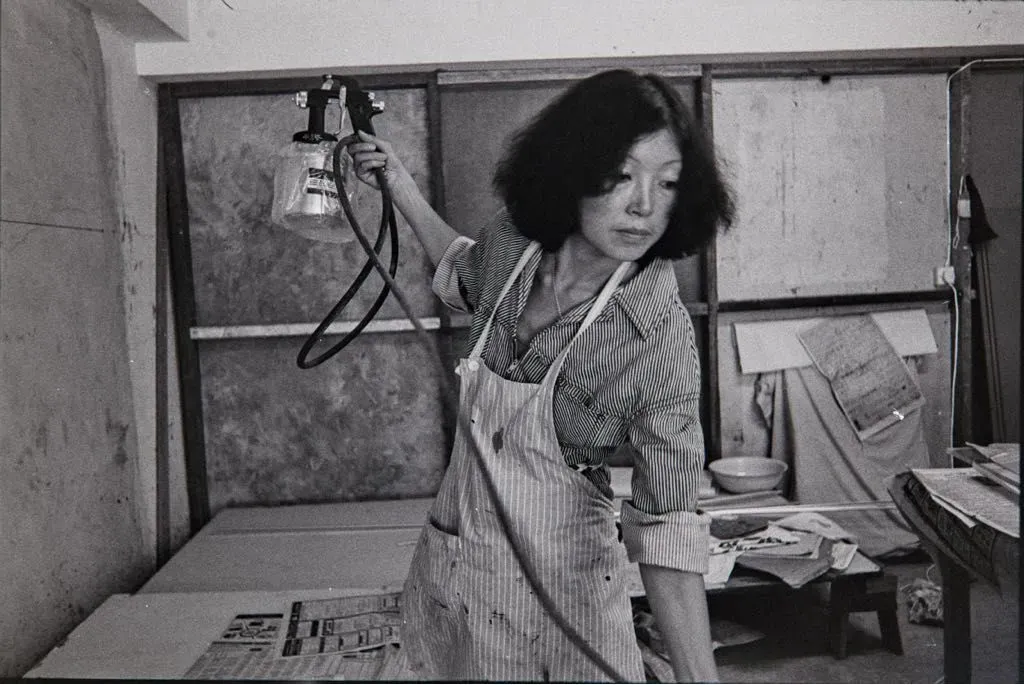
Hai Tien was born in Shanghai and trained as an artist before China opened to the Western world in 1979. Her education spans China, Hong Kong, and New York, where she graduated in 1969 from the Cooper Union School for the Advancement of Science and Art.
This matters—not as credential, but as context.
Her life unfolded across civilizations before globalization blurred their differences. She did not inherit a single worldview; she moved between them.
Since 1970, she has held seventeen solo exhibitions and participated in numerous group shows and art fairs in Hong Kong and internationally. Her work has entered private and corporate collections around the world.
But her development does not end with painting.
For twenty-four years, Hai Tien studied under one of China’s top national Taoist Chi Kung masters. She has practiced Buddhism for more than thirty years. These are not sidelines. They are disciplines.
She believes that the meaning of life on earth is to move oneself onto a higher dimensional plane of existence through cultivation.
This belief is not decorative. It is lived.
And it explains why her words do not sound theoretical. They sound grounded.
Hong Kong as Context, Not Coincidence
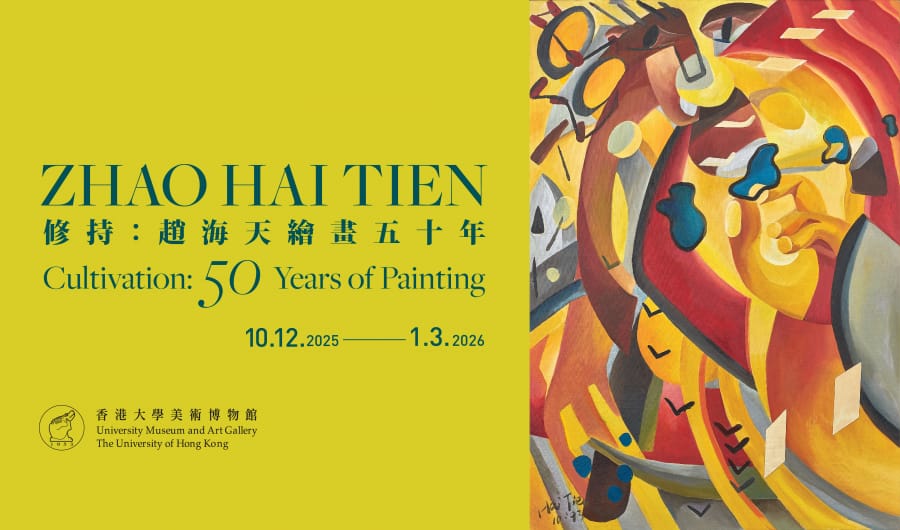
Hai Tien’s current exhibition is held at the University of Hong Kong—an academic setting inside one of the most materially advanced, accelerated cities in the world.
This matters.
Hong Kong represents extreme efficiency: dense, fast-moving, highly optimized. It is a place where modern systems work remarkably well, where material life has been refined to a near-maximum.
And within that environment, her work does not attempt to compete.
It does not shout.
It does not perform.
It points.
To what is missing.
This is not commentary on a city. It is a reflection of a global condition. When spiritual energy is absent, even the most advanced environments begin to feel hollow. The issue is not excess technology. It is insufficient cultivation.
In that sense, the exhibition’s location is not incidental. It places her message exactly where the imbalance is most visible.
The Same Fracture, Seen at a Larger Scale
Much of what appears on The Universe Unveiled explores how inner coherence shapes outer experience — how alignment, or its absence, determines whether life feels responsive or resistant. Hai Tien’s words describe the same mechanism, but at the level of civilization rather than the individual, a theme already explored in Koyaanisqatsi.
When inner cultivation is neglected, imbalance follows. When imbalance persists, dissatisfaction becomes the norm — regardless of how advanced the external world becomes.
This is not a failure of progress.
It is a failure of integration.
What Remains Essential
Hai Tien’s message does not ask anyone to abandon modern life. It does not reject technology, comfort, or advancement.
It asks something quieter—and more difficult.
To remember that being human requires nourishment beyond the material. That without spiritual energy, no amount of progress can compensate. And that civilization, at its best, once understood this.
Morality, religion, art, and music were never ornamental. They were stabilizing forces—ways of sustaining the human within the system.
Her words do not propose a solution. They reveal a condition.
And in doing so, they confirm something many already feel but struggle to articulate:
That when civilization perfects the material while neglecting the spiritual, something essential is lost—not suddenly, but steadily.
Until it becomes impossible to ignore.