Why Effort Often Delays Quantum Leaps
Most people assume effort creates change. In identity-based systems, it often does the opposite — stabilizing the position you are trying to escape. This article explains why breakthroughs rarely come from strain and what actually allows a quantum leap to occur.

How Trying Harder Can Lock You Into the Old Identity
Introduction — The Harder I Tried, the More Stuck I Became
There is a moment many people reach in their lives that feels almost cruel in its irony.
They are doing everything right.
They are disciplined. Consistent. Focused. Reading the books. Listening to the podcasts. Meditating. Visualizing. Working longer hours. Saying the affirmations. Taking the actions.
And yet — nothing moves.
Not slowly.
Not gradually.
Not even incorrectly.
It simply does not move at all.
The harder they try, the more rigid life becomes.
This is not a failure of will.
It is not a lack of discipline.
It is not insufficient effort.
It is something far more structural.
In identity‑based systems, effort often stabilizes the very position you are trying to leave.
And this is why so many sincere, intelligent, highly disciplined people remain trapped — not because they are lazy, but because they are trying too hard from the wrong identity.
Section I — The Cultural Myth: Effort Creates Change
Modern self‑help is built on a simple equation:
More action = more results.
Work harder.
Push more.
Stay disciplined.
Outwork the resistance.
This model is deeply attractive because it flatters the will.
It suggests that if you are not changing, you are simply not trying enough.
But reality shows a far stranger pattern.
Many people report that the period of maximum effort in their life is often the period right before stagnation.
They tighten their routines.
Increase their discipline.
Double their output.
And watch progress slow — or stop entirely.
This is because effort does something very specific:
Effort improves performance inside a position.
It does not relocate the position.
You can become extremely skilled at operating inside an old identity.
You can optimize the prison.
But optimization is not escape.
Section II — Why Effort Strengthens the Current Identity
This is the structural core most systems miss.
Effort does not come from nowhere.
Effort is generated from:
• Your current self‑concept
• Your current assumptions
• Your current position in the world
Every act of trying is an expression of who you believe you are now.
Which means:
More effort = more reinforcement of the current identity.
If you see yourself as:
• The struggling entrepreneur
• The person trying to heal
• The one chasing abundance
• The one working toward freedom
Then effort does one thing exceptionally well:
It perfects the identity of the one who is trying.
This is why the signature paradox appears:
You cannot use the tools of the old identity to exit the old identity.
The very engine you are using to escape is built out of the position you are trying to leave.
Effort does not dissolve identity.
It consolidates it.
Featured Book
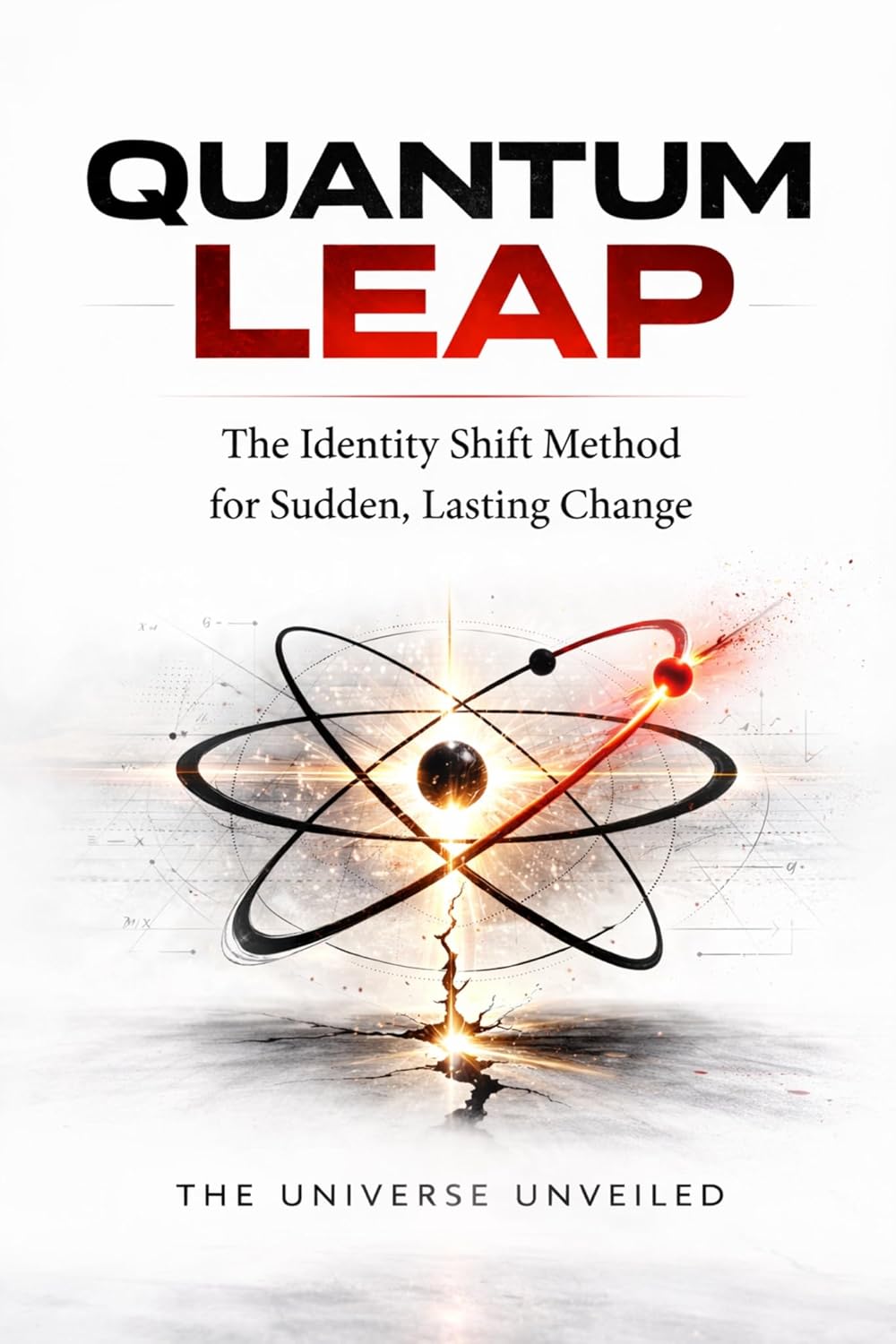
Quantum Leap
This essay exposes the trap. The book explains why effort preserves identity — and how relocation happens only when trying stops leading.
Section III — The Hidden Cost of “Trying Harder”
Trying harder introduces a subtle but devastating loop.
Three things happen almost automatically.
1. Effort increases self‑monitoring
When you try hard, you begin checking constantly:
• Is it working yet?
• Am I closer?
• Why hasn’t it changed?
You watch yourself.
You measure yourself.
You audit your progress.
2. Monitoring increases identity rigidity
Monitoring freezes the observer into place.
The one who is checking becomes more defined.
More solid.
More fixed.
Identity becomes less fluid, not more.
3. Rigidity prevents relocation
A rigid identity cannot move.
It can only optimize its current coordinates.
This is why the loop closes perfectly:
Trying harder keeps checking whether you have moved.
Checking is proof you have not.
The act of verifying movement becomes the very mechanism that prevents it.

Section IV — Why Breakthroughs Often Come After Surrender, Not Strain
Now notice a pattern that appears again and again in real life.
Breakthroughs rarely come during peak discipline.
They come:
• On vacation
• After giving up
• After exhaustion
• After detachment
• After surrender
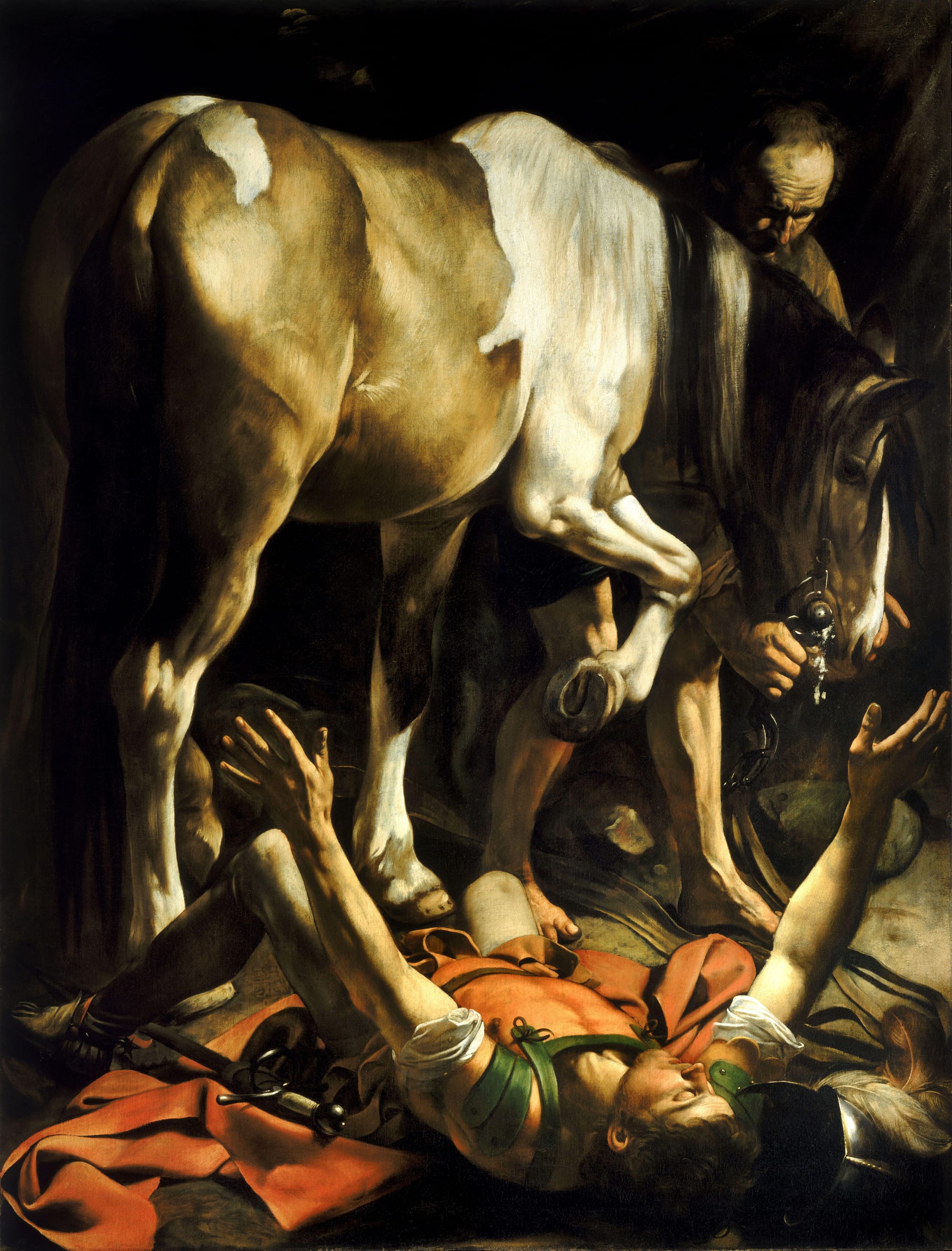
Not because the universe rewards quitting.
But because something very precise happens.
Monitoring drops.
Self‑checking collapses.
Identity relaxes.
And when identity stops defending its old location — position relocates.
This is the moment many traditions describe as the quantum leap.
Not a gradual climb.
A sudden shift of coordinates.
A relocation of state.
This is explored in depth in:
→ What Is a Quantum Leap in Manifestation
And it is why the most dangerous misunderstanding is this:
Surrender is not quitting.
It is the moment identity stops defending its old location.
Section V — The Difference Between Action and Position
This distinction is foundational.
Action is visible.
Position is invisible.
Action is downstream.
Position is upstream.
You can take the same action from two different positions and produce entirely different realities.
Because:
Action expresses position.
It does not create it.
Discipline does not relocate identity.
Consistency does not rewrite self‑concept.
Effort does not move the center of gravity.
Only a shift in identity does.
Until position changes, action can only decorate the old life.
Section VI — When Effort Is Useful and When It Is Harmful
Effort is not the enemy.
But it has a precise place in the sequence.
Effort is useful when:
• Identity is already relocated
• Position has already shifted
• Effort expresses the new state
Here, effort accelerates.
It builds.
It compounds.
It stabilizes the new identity.
Effort is harmful when:
• Identity is misaligned
• Position has not shifted
• Effort is used to force transition
Here, effort preserves.
It freezes.
It locks the old self in place.
This is the governing rule:
Effort accelerates only after relocation.
Before that, it preserves.
Closing — The Paradox of the Leap
The final barrier to a quantum leap is often not fear.
Not laziness.
Not resistance.
But the person trying to make it happen.
The one who is pushing.
Monitoring.
Straining.
Holding the old coordinates in place through heroic effort.
And this is the quiet paradox that ends most transitions:
When effort stops trying to move identity, identity finally moves.
Image Credits:
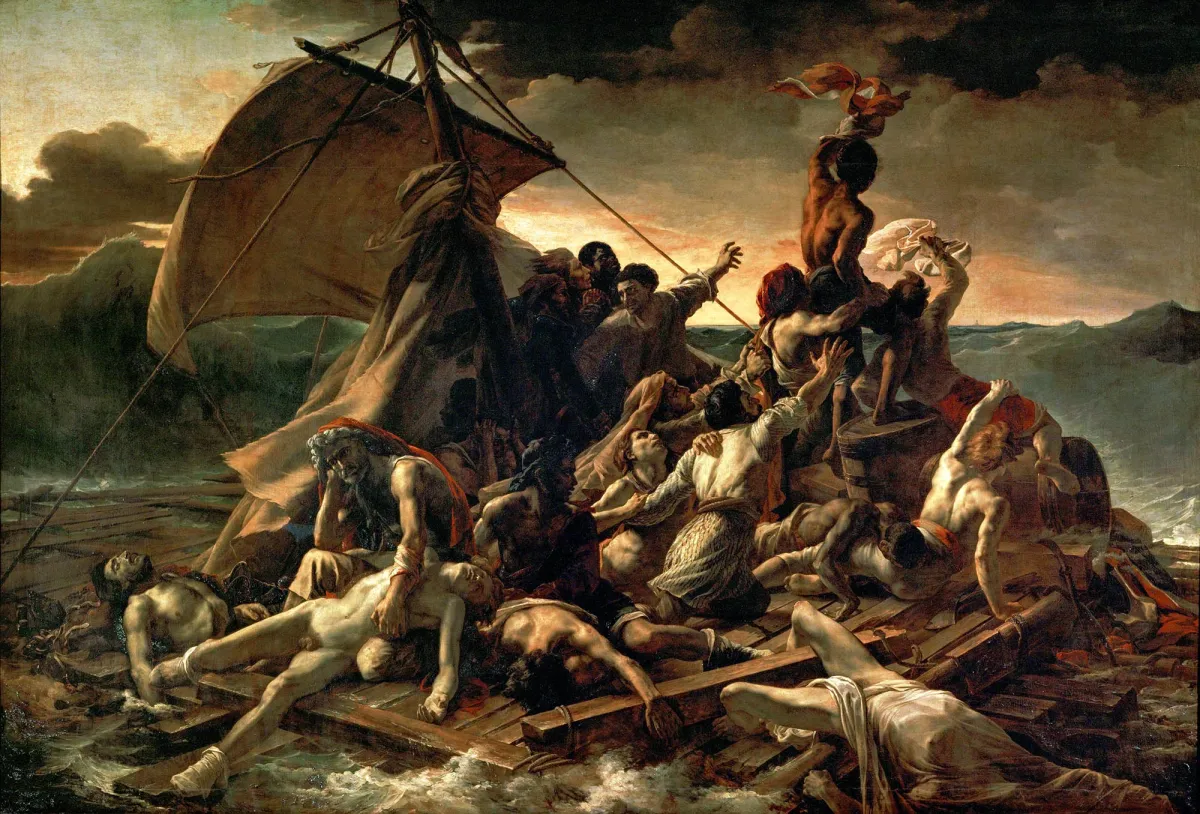
Théodore Géricault, The Raft of the Medusa, 1818–1819, oil on canvas, 490 × 716 cm. Louvre Museum, Paris.
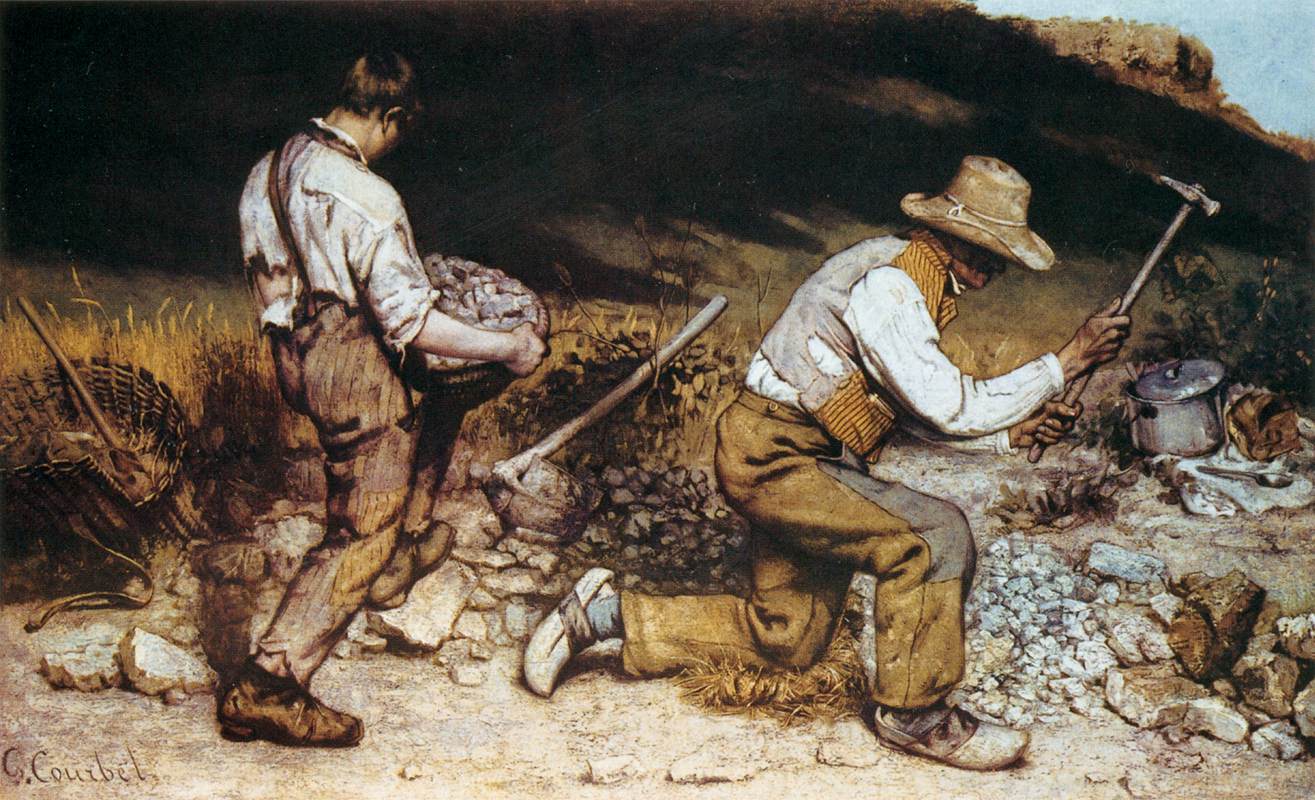
Gustave Courbet, The Stone Breakers, 1849, oil on canvas. Formerly Gemäldegalerie Alte Meister, Dresden (destroyed 1945).
Alexandre Cabanel, The Fallen Angel, 1847, oil on canvas, 120.5 × 196.5 cm. Musée Fabre, Montpellier.
Caravaggio, The Conversion of Saint Paul, 1601, oil on canvas, 230 × 175 cm. Santa Maria del Popolo, Rome.
Effort Can Signal Lack.
Leaps happen when position is assumed—not chased. Stop trying. Start relocating.