Cristiano Ronaldo and the Discipline of Assumption
Cristiano Ronaldo is often explained as a genetic anomaly. This essay shows why that story is incomplete—revealing how identity, assumption, and discipline quietly built inevitability long before trophies appeared.


The Universe Unveiled presents The Inner Pitch — exploring how consciousness experiences itself through mastery under pressure.
Cristiano Ronaldo is often explained as a genetic anomaly.
This explanation is convenient — and incomplete.
Cristiano Ronaldo was not the most naturally gifted player of his generation. He was not the most graceful. He was not universally admired early on. What separated him was something far less romantic and far more demanding:
He decided who he was going to be before the world agreed — and refused to revise that decision.
This is not a story about talent.
It is a study in inevitability.

1. Identity Before Evidence
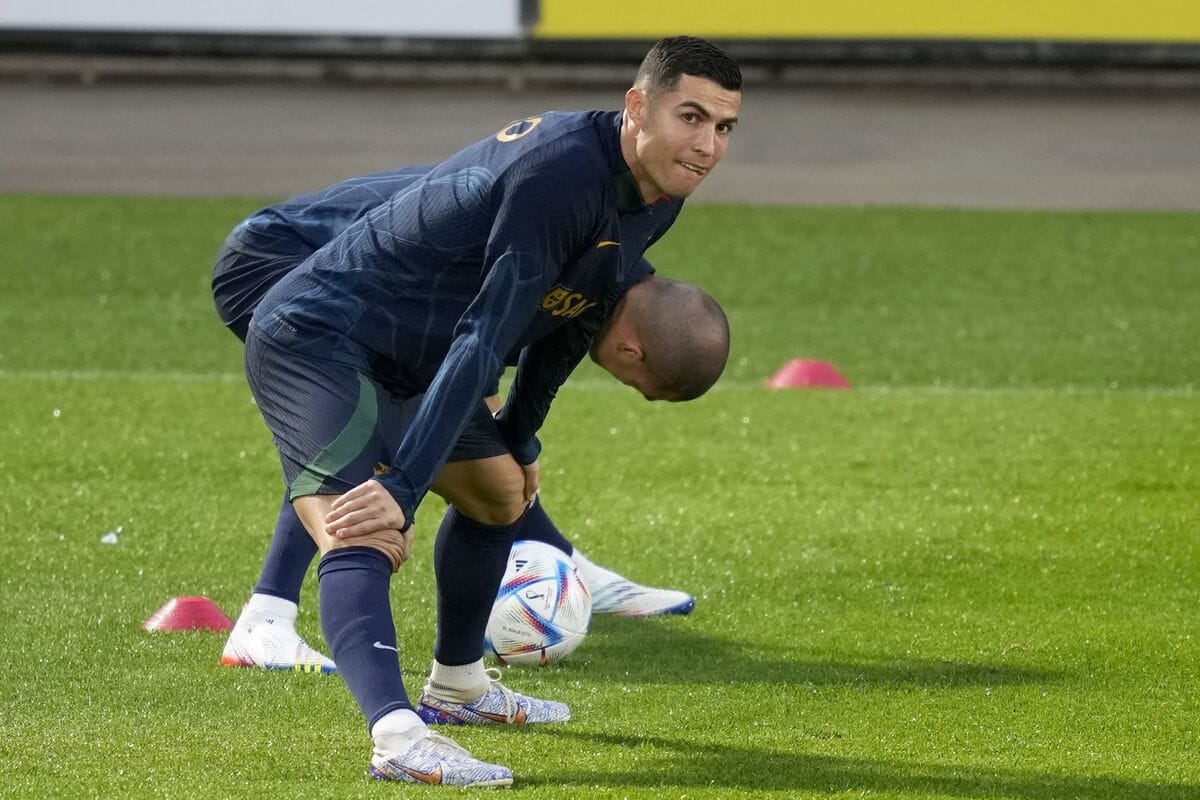
Most athletes wait for results to define them.
Ronaldo reversed the sequence.
He did not train to become elite — he trained because he already was. The self-image came first. The behavior followed. The trophies arrived later, as confirmation rather than creation.
This distinction matters.
Talent fluctuates.
Mood fluctuates.
Motivation fluctuates.
Identity does not — once assumed and protected.
Ronaldo did not ask permission to see himself as dominant. He did not negotiate with doubt. He authored an internal standard and behaved as if deviation was not an option.
This is assumption — stripped of mysticism and fully embodied.
Neville Goddard described the mechanism Ronaldo lived by decades earlier with unsettling clarity:
“An assumption, though false, if persisted in, will harden into fact.”
Ronaldo did not hope to become elite.
He assumed he already was — and organized his behavior accordingly.
In Neville’s terms, Ronaldo did not act toward a future version of himself.
He acted from it.
This is the Law of Assumption in its most practical form:
identity precedes evidence, and persistence precedes proof.
What the world later called confidence or work ethic was, at its core, a sustained internal assumption held long enough for reality to rearrange itself.
2. Contrast as Fuel, Not Injury
Ronaldo grew up in Madeira under conditions that offered no softness.
Crowded spaces. Limited resources. Public ridicule. Early separation from family. When he entered elite academies, his ambition outpaced his body. He was mocked — for his accent, his frame, his intensity.
For most people, contrast creates insecurity.
For a specific temperament, contrast clarifies desire.
Ronaldo did not experience hardship as evidence of limitation. He experienced it as proof that escape was necessary — and non-negotiable. The gap between who he was and who he felt himself to be did not create hesitation.
It created pressure.
And pressure, when held without collapse, becomes form.
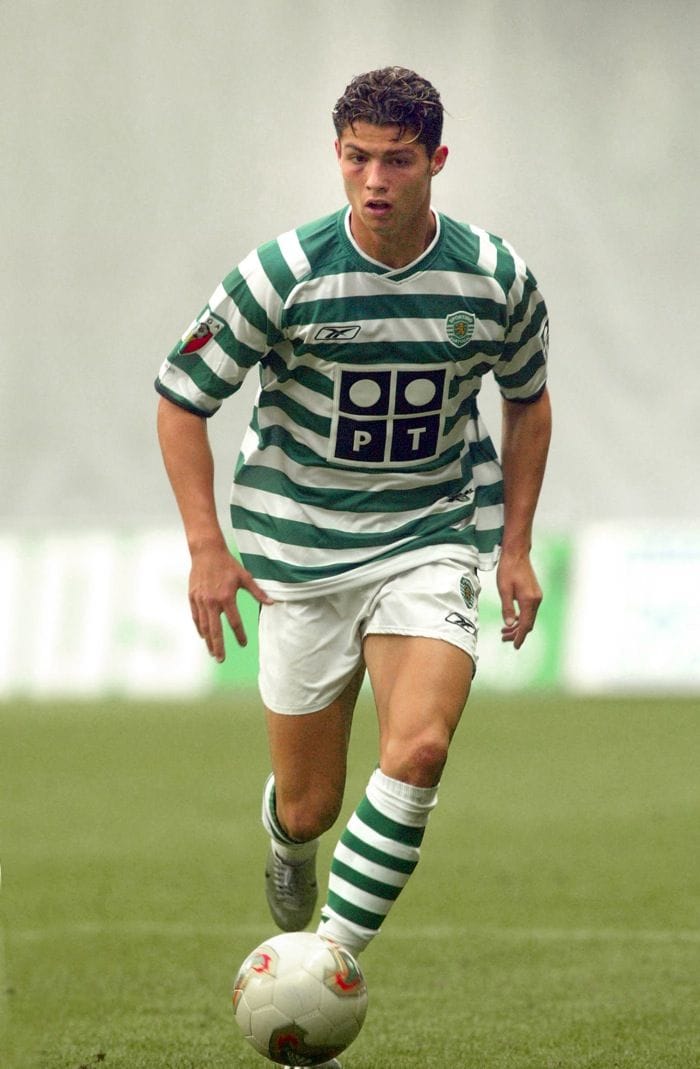
3. The Inner Pitch (Where the Work Actually Happened)

Before contracts, before headlines, before stadiums echoed his name, Ronaldo trained somewhere else first.
Internally.
Long before the outer game rewarded him, there was a private arena where standards were rehearsed daily — invisible to coaches, critics, and teammates alike.
This was the Inner Pitch.
It appeared in the details no one applauded: staying after training to repeat movements already mastered, visualizing outcomes that had not yet occurred, holding personal standards even when they isolated him socially. This was not obsession.
It was alignment.
He did not wait to feel confident.
He rehearsed confidence until it became default.
The public performances were echoes.
The real work happened in silence.
4. Discipline Over Mood
Modern culture worships motivation.
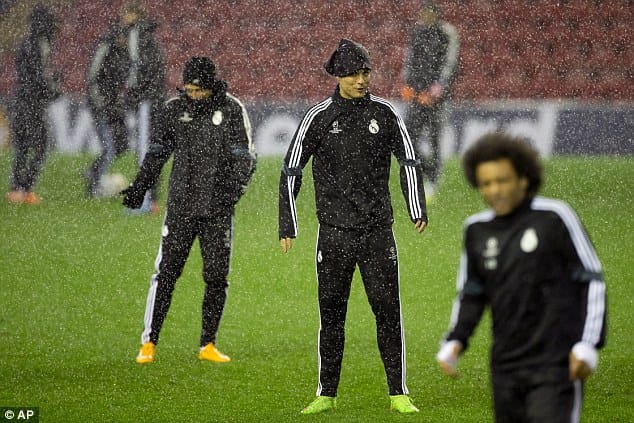
Ronaldo ignored it.
He did not rely on emotion. He did not wait for inspiration. He did not negotiate with resistance. He acted from identity — even on days when emotion offered no support.
This is the difference most people miss:
Motivation asks if
Discipline assumes already
Ronaldo trained as if excellence was non-negotiable because, internally, it already was. His standards did not fluctuate with praise or criticism. They remained fixed — and behavior followed.
This is why his career cannot be replicated through slogans or visualization alone.
What sustained him was not belief in possibility — but commitment to identity.
5. The Identity Feedback Loop
The mechanics are simple when stripped of mythology:

Identity shapes behavior
Behavior produces results
Results reinforce identity
Ronaldo held the identity steady long before results appeared consistently. When success arrived, it did not create his self-image.
It confirmed it.
People did not respond to Ronaldo as he hoped to be seen — they responded to the version of himself he consistently embodied.
Setbacks never rewrote his story. They were absorbed into it. His internal definition was stronger than external noise.
This is why inevitability feels calm, not frantic.
6. Not All Greatness Is Built the Same
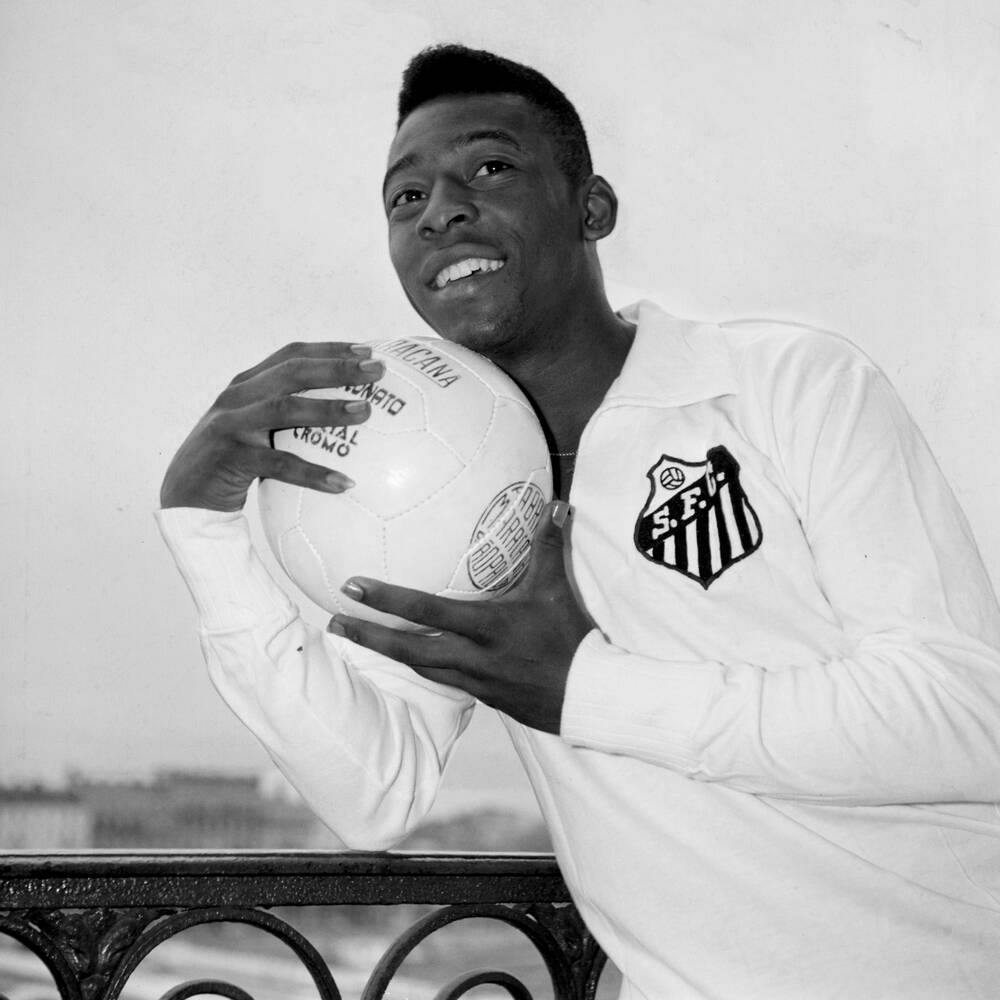


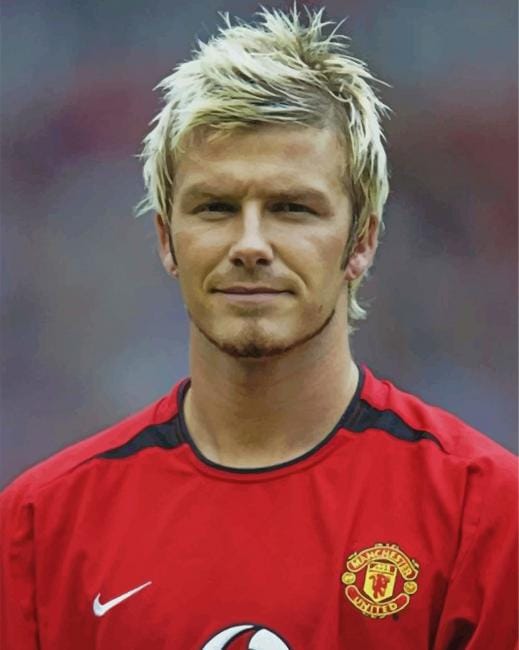
Four legends. Four pathways. One law. Pelé expressed imagination through play. Messi moved from belief into flow. Beckham rehearsed assumption through repetition. Zidane ruled through presence and timing. Different expressions—same underlying principle: identity precedes outcome.
Each legendary athlete reveals a different pathway into mastery:
- Pelé — natural genius aligned early
- Messi — intuitive harmony and inward flow
- Beckham — precision, repetition, and assumption through rehearsal
- Zidane — composure, timing, presence
- Ronaldo — conscious construction of self
Beckham trained moments.
Ronaldo trained identity.
Both understood the same law: what is rehearsed internally becomes inevitable externally.
Ronaldo’s path is the most transferable — not because it is easy, but because it is deliberate.
It does not require talent beyond reach.
It requires standards beyond negotiation.
7. Why This Matters Beyond Football

The Inner Pitch is not about sport.
It is the private arena where identity is rehearsed before reality confirms it. Where standards are upheld without applause. Where repetition replaces hope.
Ronaldo’s career demonstrates a quiet law:
When identity discipline becomes non-negotiable, the outer world eventually complies — not through force, but through consistency.
This is how inevitability is built.
FAQ — Ronaldo and the Discipline of Assumption
A breakdown of the “Inner Pitch”: identity before evidence, discipline over mood, inevitability over hype.
What does “discipline of assumption” mean in Ronaldo’s case?
It means he treated his self-image as a fixed decision, not a feeling. He behaved from “I am elite” before the world supplied proof — and held that inner definition long enough for reality to catch up.
Is this basically Neville Goddard’s Law of Assumption?
Yes — but stripped of mysticism and made muscular. Neville’s core mechanism is identity first, evidence later: assume the state, persist, and the outer world reshapes. Ronaldo lived the principle through repetition and standards.
If you want the “assumption-through-rehearsal” version of this law, go read Beckham: David Beckham and the Law of Assumption.
What is “The Inner Pitch” and why is it the spine of the article?
The Inner Pitch is the private arena where you rehearse identity before life confirms it — visualization, self-talk, standards, and the refusal to negotiate with external opinions. Outer trophies are echoes; inner repetition is the cause.
How is discipline different from motivation in manifestation terms?
Motivation is weather. Discipline is climate. Motivation asks “do I feel like it?” Discipline acts from the identity that’s already decided. In manifestation terms: mood fluctuates, but state persistence is what hardens into fact.
How did contrast (Madeira, ridicule, insecurity) become fuel instead of injury?
Because contrast clarified desire — and desire became identity formation. For most people, hardship becomes proof of limitation. For a specific temperament, it becomes proof that escape is non-negotiable.
Is Ronaldo’s path actually transferable if you’re not a “genetic anomaly”?
The genetics are not the transferable part — the sequence is: identity → behavior → results → reinforced identity. What you can replicate is standards beyond negotiation and repetition beyond mood.
How does Ronaldo’s “constructed identity” differ from Messi, Pelé, and Zidane?
Ronaldo is conscious construction — he authored himself. Messi is harmony and inward flow. Pelé is early-aligned genius expressed through play. Zidane is presence — composure, timing, stillness under pressure.
Go deeper with the other archetypes: Messi: Belief + Assumption • Pelé: Imagination + Play • Zidane: Power of Presence
How do I build my own “identity feedback loop” without forcing it?
Start small and consistent. Pick one identity sentence you will not revise (“I am the kind of person who…”) then choose one daily action that proves it quietly. Do it even when you feel nothing. Results come later — as confirmation.
What if my strength isn’t intensity like Ronaldo — but calm presence like Zidane?
Then your Inner Pitch is still the same law — expressed differently. Ronaldo enforces identity through relentless standards. Zidane enforces identity through stillness, timing, and command of the moment.
Explore that pathway here: Zidane and the Power of Presence.
How is Beckham’s repetition different from Ronaldo’s repetition?
Beckham rehearsed moments — precision built through thousands of identical reps. Ronaldo rehearsed identity — dominance built through standards that never moved. Same law. Different doorway.
Read the Beckham piece: David Beckham: Manifestation + Law of Assumption.