Money Mindset Reset: How Gratitude for Expenses Rewires Your Subconscious for Wealth
A powerful money mindset reset begins where most people feel tension — spending. Discover how gratitude for expenses rewires subconscious scarcity, regulates financial anxiety, and opens the energetic pathway for sustainable wealth.


Introduction — The Hidden Anxiety Behind Checking Your Bank Account
There is a moment most people experience but rarely talk about.
It happens quietly.
Right before you open your bank account.
You pause.
Your breathing changes.
Your chest tightens slightly.
Your mind prepares for impact.
Even if nothing is wrong… your body reacts as if something might be.
This is financial anxiety conditioning.
And it reveals something deeper:
Your relationship with money is not logical — it is emotional and subconscious.
Most people don’t check their finances from neutrality.
They check from survival.
Which means every time you open your account in tension, you reinforce subconscious scarcity patterns.
So if we want to transform wealth externally…
We must reset the money mindset internally first.
What Is a Money Mindset Reset?
A money mindset reset is the process of regulating your emotional and nervous system response to money so that finances are no longer processed through fear, shame, or scarcity conditioning.
It is not about pretending everything is fine.
It is about shifting the energetic baseline from which you engage money.
Because manifestation does not respond to numbers.
It responds to identity and emotional state.
And the fastest way to rewire money identity is to transform how you relate to spending — not just earning.
Step One — Grounding Before Financial Visibility
Before you even open your bank account, pause.
Place your hand over your heart.
Breathe slowly through your nose.
Let the breath land in your chest.
Then say quietly:
I am safe.
I am loved.
I am well-resourced.
This is nervous system regulation.
Most financial stress is not caused by numbers — it is caused by dysregulation.
When the body feels unsafe, the mind interprets finances as threat signals.
Low balance → danger.
Bills → pressure.
Spending → loss.
But grounding first signals safety before exposure.
And this alone begins rewiring subconscious financial fear.
Why Financial Anxiety Lives in the Nervous System
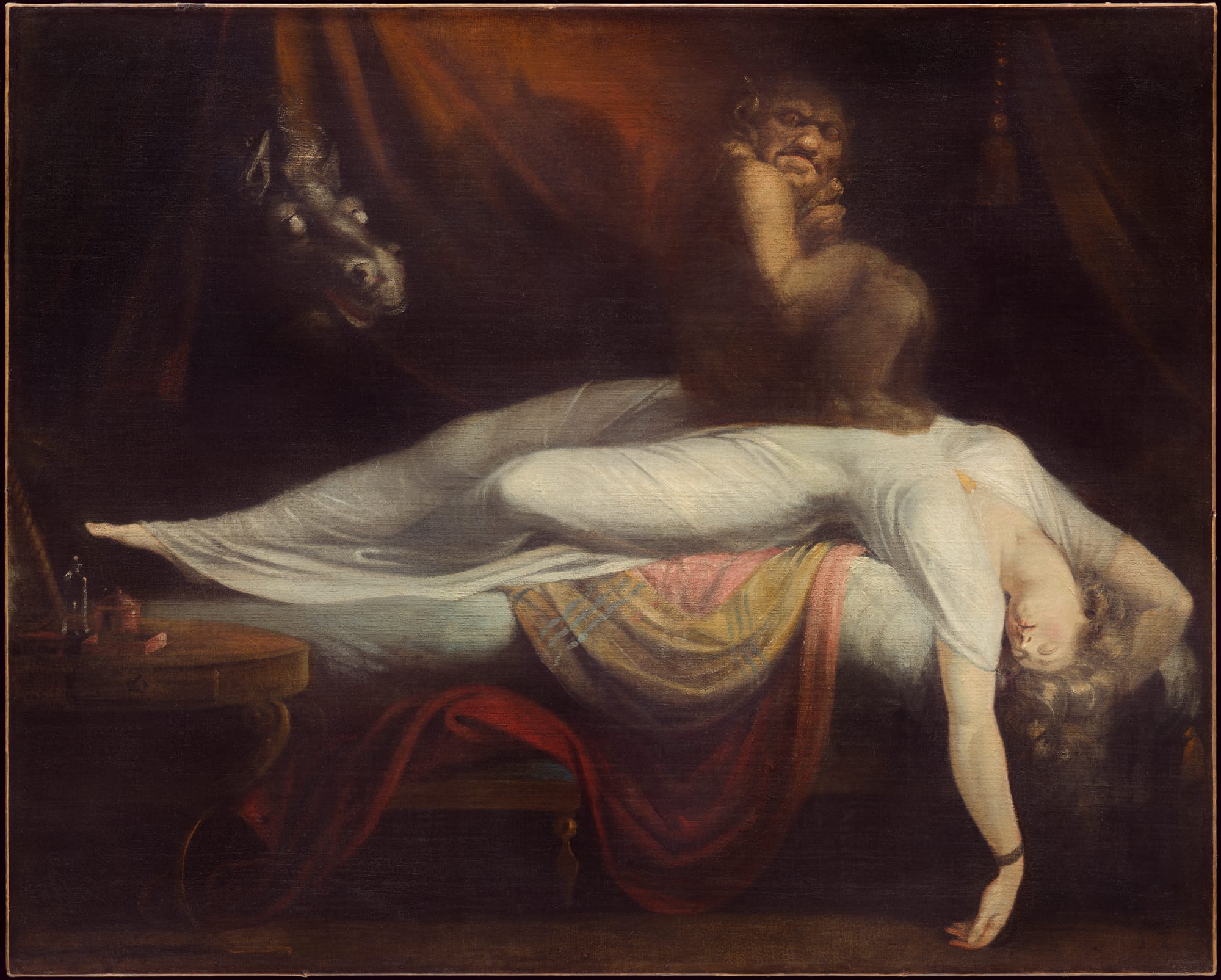
Money stress is often treated as a budgeting issue.
But in reality, it is a physiological response.
Your nervous system records past financial fear:
- Debt stress
- Job insecurity
- Childhood scarcity
- Income instability
So when you check your bank account, your body reacts based on memory — not current reality.
To understand how these emotional responses to spending originate, see our full doctrine on Subconscious Wealth, which maps the internal architecture behind financial outcomes.
This creates patterns like:
- Avoiding finances
- Delaying payments
- Overspending from stress
- Hoarding from fear
- Emotional volatility around money
A money mindset reset must therefore begin in the body — not the spreadsheet.
The Core Reframe — Gratitude for Expenses
Now we enter the transformative layer of this practice.
As you open your account, most people focus on what remains.
But subconscious fear lives in what has left.
So we reverse the lens.
We assign gratitude for expenses.
Not performatively.
Energetically.
Because every outgoing transaction represents support in your life.
Money did not disappear.
It converted into function.
How Gratitude for Expenses Rewires the Money Mindset
Let’s walk through real examples.
Cell Phone Bill — Currency Into Connection
Instead of tension, reflect:
This phone allowed me to run my business.
It allowed me to speak to loved ones.
It allowed me to FaceTime my child.
This bill wasn’t loss.
It was infrastructure for communication, love, and income.
Gratitude reframes spending into support.
Mortgage or Rent — Currency Into Shelter
Housing payments often trigger deep survival fear.
But reassign meaning:
I have hot water.
I have privacy.
I have safety.
I have a place to sleep tonight.
You are resourced enough to house your existence.
That is evidence of support — not scarcity.
Utilities — Currency Into Comfort
Electricity → Light and productivity
Water → Hygiene and nourishment
Internet → Access and opportunity
Your bills reflect modern infrastructure sustaining your life daily.
Nothing here is depletion.
It is conversion.
The Law of Circulation — Money Must Move

This practice aligns directly with the Law of Circulation.
Scarcity consciousness says:
Money leaving = loss.
Abundance consciousness says:
Money leaving = movement.
And movement is required for expansion.
Every dollar that leaves your account performs a role:
It feeds you.
Houses you.
Connects you.
Supports your growth.
Money does not vanish.
It circulates through your life experience.
And those who trust circulation attract more of it.
Circulation Consciousness vs. Hoarding Identity
Fear-based money identity grips tightly.
It fears spending.
It fears investing.
It fears movement.
But gripping stops circulation.
And what does not circulate cannot expand.
Circulation consciousness trusts that resources flow in cycles:
Outward → Function
Inward → Replenishment
Gratitude for expenses builds trust in this cycle.
Emotional State Shift — Immediate and Measurable
When you practice gratitude for expenses, the emotional shift is immediate.
Fear softens.
Breathing deepens.
Your chest relaxes.
Why?
Because gratitude redirects focus from scarcity to support.
You stop scanning for insufficiency.
You begin recognizing infrastructure.
You feel resourced — regardless of balance.
And manifestation responds to this emotional baseline.
How This Practice Reprograms Subconscious Money Blocks
Every repeated emotional experience becomes subconscious programming.
If spending always feels stressful, the subconscious records:
Money leaving is dangerous.
But when you assign gratitude, you imprint:
Money leaving supports my life.
Over time, this dissolves blocks like:
- Fear of investing
- Fear of scaling business
- Fear of spending on growth
- Fear of charging higher prices
You begin trusting circulation rather than fearing depletion.
And trust magnetizes wealth.
Nervous System Regulation and Wealth Expansion
Wealth expansion requires capacity.
If your nervous system cannot tolerate financial movement, you subconsciously cap income to maintain emotional safety.
This is why some people:
Earn more… then overspend.
Receive abundance… then sabotage it.
Their system cannot hold circulation.
Gratitude for expenses expands nervous system tolerance for money movement.
Which allows greater inflow.
The Psychological Release of Financial Shame
Many people carry hidden shame around spending.
I shouldn’t have bought that.
I’m behind.
I messed up financially.
Shame blocks visibility.
And avoidance blocks growth.
But gratitude reframes past expenses into appreciation.
Even your spending supported your life in some way.
Shame dissolves.
Empowerment returns.
The Practice — Step-by-Step Money Mindset Reset
Step 1 — Pause Before Opening Your Bank Account
Never check finances unconsciously.
Step 2 — Hand Over Heart
Anchor into your body.
Step 3 — Regulated Breath
Signal safety.
Step 4 — Grounding Statements
I am safe.
I am loved.
I am well-resourced.
Step 5 — Open Your Account Calmly
From presence.
Step 6 — Review Expenses First
Focus on circulation.
Step 7 — Assign Gratitude
What did this payment provide me?
Step 8 — Feel the Appreciation
Emotionally — not intellectually.
Step 9 — Then Review Your Balance
From grounded sufficiency.
Why Gratitude for Expenses Is More Powerful Than Gratitude for Income
Gratitude for income is easy.
Gratitude for expenses dissolves fear.
And fear around spending is where most scarcity conditioning lives.
When spending feels safe:
Circulation increases.
When circulation increases:
Flow increases.
And flow is the architecture of abundance.
Behavioral Shifts That Follow This Practice
With repetition, you may notice:
- Less anxiety checking accounts
- Faster financial decision-making
- Greater openness to investment
- Reduced avoidance of bills
- Increased income receptivity
Because you are no longer engaging money from contraction.
You are engaging it from sufficiency.
Final Integration — Nothing Truly Left You
When you begin assigning gratitude to expenses, a realization emerges:
You are supported.
Your life is resourced.
Your infrastructure is functioning.
Your phone bill reflects connection.
Your rent reflects shelter.
Your utilities reflect comfort.
Your subscriptions reflect growth.
Money did not disappear.
It converted into lived experience.
And from this awareness, your money mindset reorganizes itself around circulation, trust, and expansion rather than fear.

Money Mindset Reset FAQ: Subconscious Money Blocks, Financial Anxiety, and Wealth Reprogramming
Image Credits:
Johannes Vermeer — Woman Holding a Balance, 1664. Oil on canvas. National Gallery of Art, Washington, D.C.
Henry Fuseli — The Nightmare, 1781. Oil on canvas. Detroit Institute of Arts, Detroit.
Sandro Botticelli — The Birth of Venus, c. 1485–1486. Tempera on canvas. Uffizi Gallery, Florence.
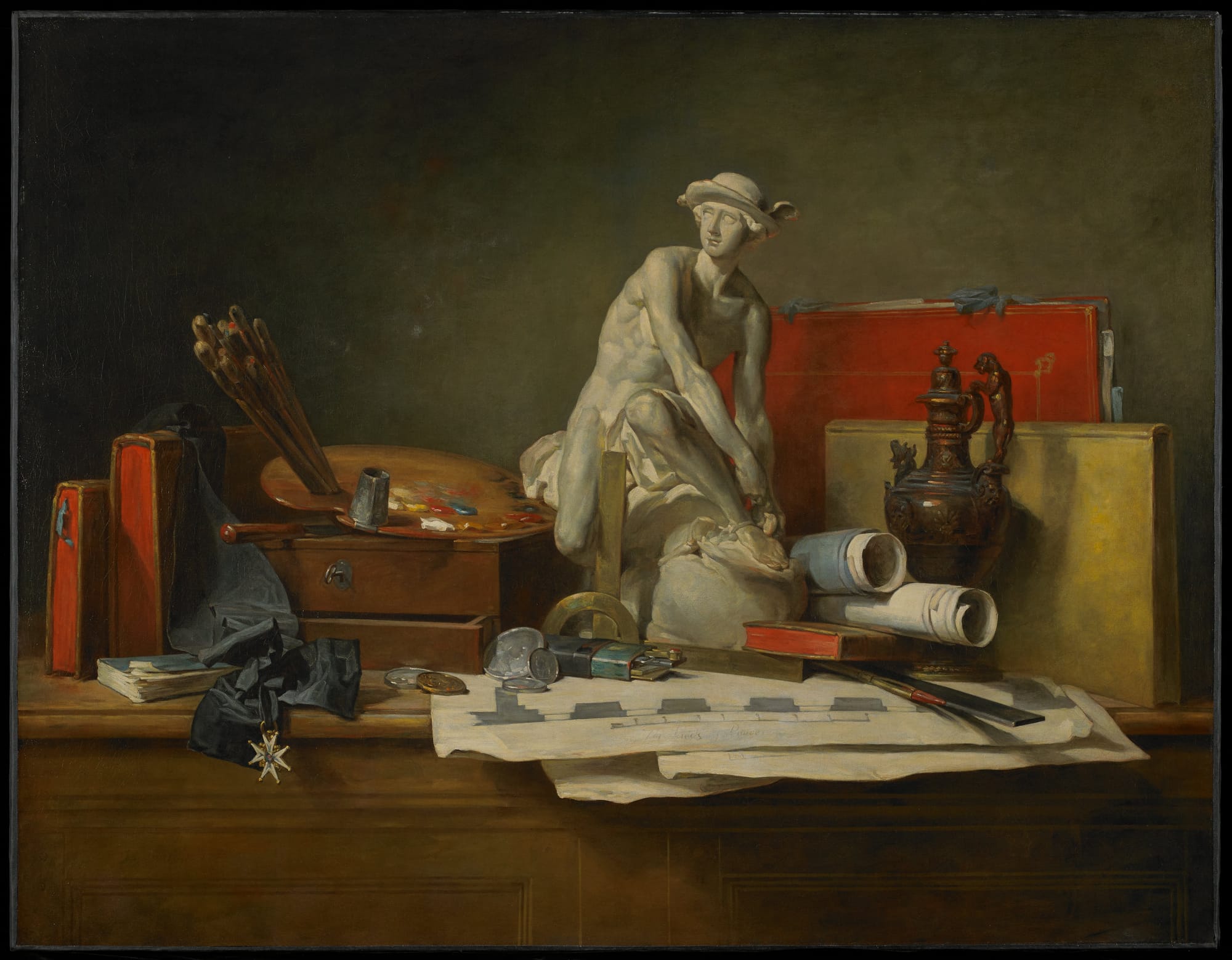
Jean-Baptiste-Siméon Chardin — The Attributes of the Arts and the Rewards Which Are Accorded Them, 1766. Oil on canvas. Minneapolis Institute of Art, Minneapolis.
Vilhelm Hammershøi — Interior, Strandgade 30, 1901. Oil on canvas. Ordrupgaard Museum, Copenhagen..