Taylor Swift and Emotional Manifestation: How Feeling Became the Engine of Her Success
Taylor Swift’s success reveals a deeper law of manifestation: emotional authenticity. By fully feeling, expressing, and integrating emotion, she turned heartbreak into momentum and built a career powered by resonance—not suppression.


Taylor Swift didn’t manifest her career by suppressing emotion, staying detached from pain, or pretending heartbreak didn’t matter.
She did the opposite.
She felt everything — fully, publicly, and without apology — and then gave those emotions form. Songs. Stories. Eras. Meaning.
From her earliest work to her current billionaire status, Taylor Swift’s success reveals one of the most misunderstood principles in manifestation: feeling is not a weakness — it’s the fuel.
Before stadiums, before records, before cultural dominance, there was a teenage girl turning unprocessed emotion into momentum. That emotional honesty didn’t slow her rise. It accelerated it.
This is emotional manifestation — and Taylor Swift is its clearest modern case study.
What Emotional Manifestation Actually Means (Neville Got This First)
In Neville Goddard’s teachings, one line is repeated often but rarely understood:
Most people interpret this as “feel happy” or “feel positive.” That’s not what Neville meant.
He meant:
- The subconscious responds to felt states, not logic
- Emotion is how identity installs itself
- What you deeply feel yourself to be becomes law
Taylor Swift’s manifestation didn’t come from forced optimism or spiritual bypassing. It came from emotional precision — naming exactly what she felt and letting that emotion shape her creative identity.
She didn’t dilute heartbreak.
She didn’t mute longing.
She didn’t soften rage to stay palatable.
She told the truth — emotionally — and trusted that truth to organize reality around her.
Taylor Swift & the Art of Manifestation
Before the Eras Tour, before the numbers, Taylor Swift assumed success as identity. This deep dive unpacks how she lived from the end long before the world agreed.
Read the Manifestation Breakdown →From “Teardrops on My Guitar” to Global Resonance
“Teardrops on My Guitar” wasn’t written from confidence.
It was written from vulnerability.
Unrequited love. Embarrassment. Longing. Watching from the sidelines.
From an industry standpoint, that should have been a liability. Instead, it became Taylor Swift’s first bridge to millions of listeners.
Why?
Because emotion creates resonance.
People didn’t fall in love with Taylor Swift because she was polished.
They fell in love because she articulated feelings they hadn’t been able to voice themselves.
In manifestation terms:
Resonance attracts faster than performance.
When emotion is authentic, it sends a clean signal. When a signal is clean, it magnetizes exactly the audience it’s meant for.
Emotional Honesty Is a Signal, Not a Confession
Most people fear emotional expression because they think it repels others.
Taylor Swift proved the opposite.
Her career is built on:
- Naming specific memories, moments, names, places
- Allowing jealousy, anger, grief, hope, and softness to coexist
- Refusing to sanitize feeling for approval
That emotional specificity didn’t limit her audience — it expanded it.
In energetic terms:
- Vague emotion attracts vague response
- Precise emotion attracts precise alignment
Taylor wasn’t oversharing — she was calibrating.
Taylor Swift & the Law of Non-Attachment
Most stars survive by burning old identities. Taylor Swift didn’t. This piece reveals how non-attachment allowed her to evolve without collapse, burnout, or self-betrayal.
Explore Non-Attachment →Why Suppressed Emotion Blocks Manifestation
From both a psychological and metaphysical perspective, suppressed emotion creates internal contradiction.
When someone says:
- “I’m fine” while feeling rejected
- “I’m over it” while still grieving
- “I don’t care” while feeling overlooked
The conscious mind and subconscious send mixed signals.
Manifestation stalls not because the desire is wrong — but because the signal is scrambled.
Taylor Swift never scrambled her signal.
She processed emotion outwardly:
- Writing it
- Singing it
- Giving it storyline and structure
Emotion didn’t stay stuck inside her nervous system. It moved. And movement creates momentum.
Heartbreak as Currency (Not Identity)
One of Taylor Swift’s most misunderstood traits is how she uses pain without becoming it.
She doesn’t deny heartbreak — but she also doesn’t crystallize inside it.
There’s a key distinction here:
- Emotion felt → power
- Emotion clung to → stagnation
Taylor feels deeply, but she doesn’t build her permanent identity around pain. Each album processes a state, completes it, and then releases it into the next era.
This is why her heartbreak fuels creation without turning into bitterness.
In manifestation language:
Emotion becomes currency when it moves — not when it hardens.
Emotional Authenticity and Identity Installation
Identity isn’t formed by affirmations.
It’s formed by what you consistently allow yourself to feel and express.
Taylor Swift allowed herself to feel:
- Romantic hope
- Disillusionment
- Rage
- Public humiliation
- Renewal
And instead of hiding those states, she integrated them into her evolving identity.
This matters because identity — not circumstances — is what manifests outcomes.
Taylor didn’t say, “I must stop feeling hurt so I can succeed.”
She said, implicitly:
“I will feel what is true — and let truth refine who I become.”
That’s why her emotional openness didn’t destabilize her career. It stabilized it.
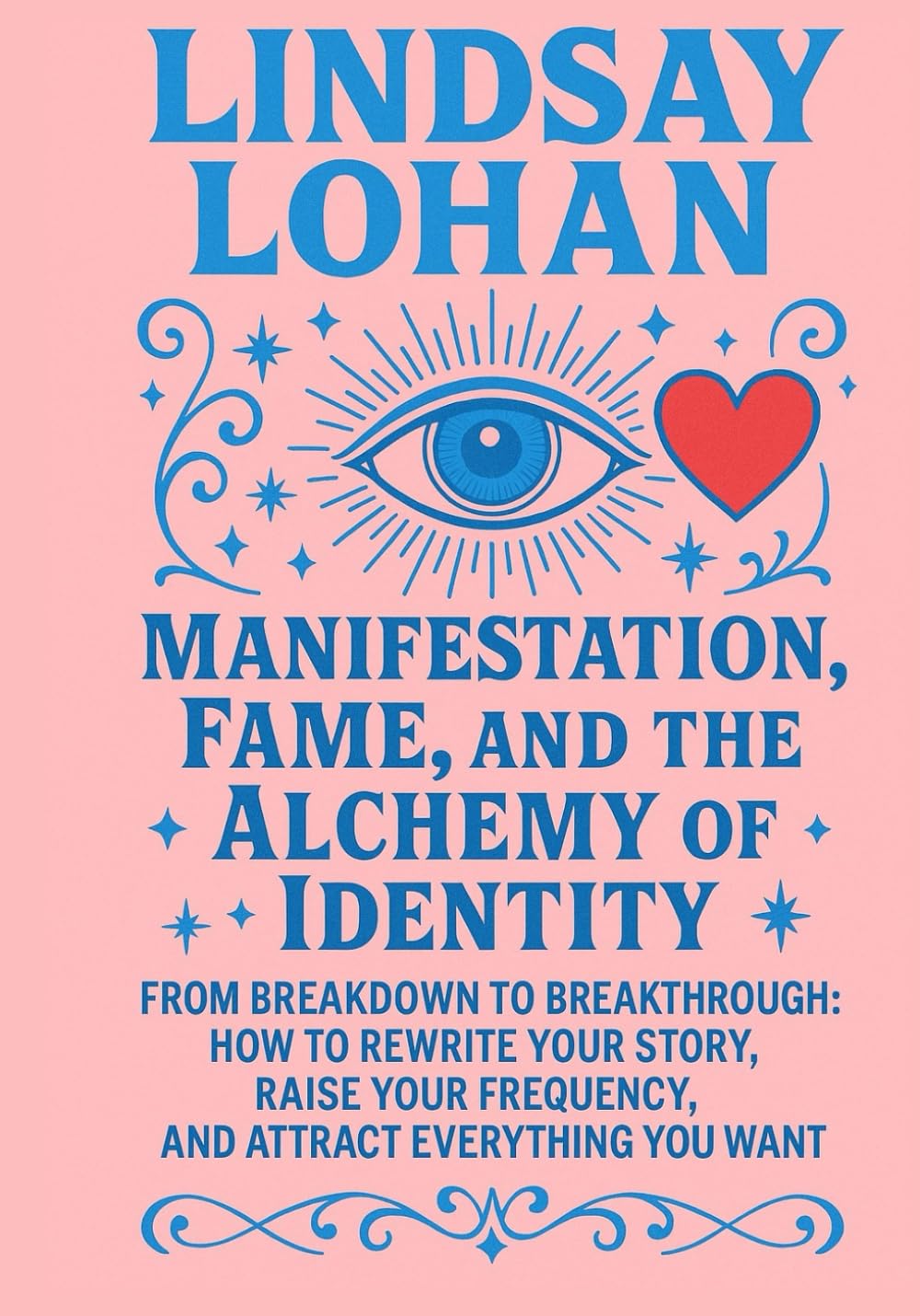
If Taylor Swift shows what happens when emotional truth is honored from the beginning,
Lindsay Lohan reveals the other side of the same law —
what it takes to reclaim identity after fragmentation.
Lindsay Lohan: Manifestation, Fame, and the Alchemy of Identity isn’t a comeback story.
It’s a manual for rewriting self-concept, stabilizing frequency, and letting reality reorganize around who you decide to be next.
Why Emotional Expression Didn’t Kill Her Momentum
There’s a common myth in success culture:
“If you show too much emotion, you lose authority.”
Taylor Swift dismantled that myth in real time.
Her authority didn’t come from emotional distance.
It came from emotional mastery.
By:
- Owning her story before others could define it
- Using emotion intentionally rather than reactively
- Transmuting feeling into creative output
She stayed in control of the narrative.
That’s manifestation with a backbone.
Emotional Manifestation vs. Emotional Reactivity
This matters, so let’s be precise.
Taylor Swift is not emotionally reactive on stage, on record, or in interviews.
She is emotionally intentional.
- Reaction = emotion spilling without direction
- Manifestation = emotion shaped into form
Lyrics are containers.
Eras are frameworks.
Performances are ritualized release.
That structure is why her emotions don’t derail her — they propel her.
The Quiet Pattern Across Her Career
Look across Taylor’s discography and career arc:
- Emotion appears
- Emotion is named
- Emotion is expressed
- Emotion evolves
- Identity upgrades
This loop repeats — cleanly — across decades.
That’s why her success didn’t collapse.
That’s why she didn’t burn out emotionally.
That’s why each era builds instead of erases the last.
Emotion was never the threat.
Incoherence was.
Taylor chose coherence.
Why This Matters for Manifestation
Taylor Swift’s career teaches a critical lesson often lost in modern manifestation culture:
You don’t manifest by being numb.
You manifest by being honest and directed.
Emotion isn’t the opposite of discipline.
It’s the raw material discipline works with.
When feeling is acknowledged, framed, and expressed:
- Identity stabilizes
- Signals clarify
- Results compound
Taylor didn’t mute herself to succeed.
She refined herself through expression.
The Eras Effect: Manifestation Without Identity Collapse
The Eras Tour isn’t nostalgia. It’s proof. Learn how manifestation and non-attachment work together to sustain success across time — not just create it.
Read The Eras Effect →The Takeaway: Your Emotions Are Not the Problem
If Taylor Swift proves anything, it’s this:
Your emotions aren’t obstacles to manifestation.
They’re instructions.
Ignored emotion blocks.
Integrated emotion builds.
From “Teardrops on My Guitar” to billionaire status, the through-line isn’t luck, hustle, or reinvention.
It’s emotional truth turned into momentum — again and again.
And that’s emotional manifestation, fully lived.
FAQ on Taylor Swift & Emotional Manifestation
These answers focus specifically on Taylor Swift’s emotional manifestation — how feeling, honesty, and storytelling became the engine of her success.
What is “emotional manifestation” in the context of Taylor Swift?
In Taylor Swift’s case, emotional manifestation means using felt states as the fuel for creation instead of something to hide. Rather than numbing out or pretending she doesn’t care, she lets herself fully feel heartbreak, longing, anger, joy, and renewal — then channels those feelings into songs, visuals, and eras. The emotion isn’t the end point; it’s the raw material that shapes her identity and the reality that follows.
How did emotional honesty actually help Taylor Swift manifest success?
Emotional honesty gave Taylor a clear energetic signal. By describing her real feelings with specific details — the crush in “Teardrops on My Guitar,” the devastation in “All Too Well,” the reinvention of each era — she created resonance instead of generic relatability. That resonance magnetized the right fans, collaborators, and opportunities. In manifestation terms, her emotional clarity broadcast a strong frequency, and reality organized around it.
Did Taylor Swift’s heartbreak really help her career, or did she just get lucky?
Taylor’s heartbreak alone didn’t create her success — the way she alchemized that heartbreak did. She didn’t stay stuck in pain or build a permanent victim identity. Instead, she turned those experiences into crafted stories, melodies, and performances that moved millions of people. Luck and timing played a role, but her willingness to transform emotional pain into structured art is what turned private experiences into global connection and long-term momentum.
Is emotional manifestation just being dramatic or oversharing your feelings?
No. Emotional manifestation is not the same as emotional reactivity. Being reactive means your feelings spill out without direction. Taylor’s approach is intentional: she feels what’s true, gives it language and structure, and releases it through her work. That’s very different from venting. Emotional manifestation uses feeling as a conscious creative force, not as an excuse to spiral or unload on other people.
How can I use emotional manifestation in my own life like Taylor Swift?
Start by letting yourself feel honestly instead of jumping straight to “I’m fine.” Name what you feel, and then give that emotion a constructive outlet — writing, voice notes, art, movement, or clear conversations. Next, decide what identity that emotion is asking you to grow into: braver, more honest, more self-respecting, more creative. Finally, take small aligned actions from that upgraded identity. Like Taylor, you’re not manifesting by pretending emotions don’t exist; you’re manifesting by partnering with them.