Why Identity Moves Before Confidence, Skill, or Readiness: The Myth of Preparation in Quantum Leaps
Most people wait to feel ready. But real quantum leaps begin when identity moves first—before confidence, skill, or proof exists. This essay explains why readiness is always the last thing to arrive.


Introduction — Everyone Waits to Feel Ready
Almost everyone says the same three sentences before every major change:
- “I need more confidence first.”
- “I need more skill first.”
- “I’m not ready yet.”
They sound responsible.
They sound intelligent.
They sound mature.
They are also the most reliable way to ensure nothing moves.
Because in every real quantum leap, the move happens precisely when you are not ready.
Not when you feel strong.
Not when you feel prepared.
Not when you feel confident.
But when something in identity shifts before the nervous system agrees.
The central inversion of this essay is simple:
Readiness does not precede relocation.
It follows it.
Section I — Why Preparation Feels Safe but Produces No Movement
Preparation feels productive.
You read.
You train.
You collect frameworks.
You refine your understanding.
And none of it is useless.
But there is a structural limit to what preparation can do.
Preparation always operates inside the current identity.
It refines the existing position.
It optimizes the current role.
It strengthens the old self.
But it never relocates the center.
You can prepare forever as the same person.
This is the crucial distinction:
Preparation perfects the old identity.
It does not create the new one.
Which is why the most prepared people are often the least mobile.
They are not blocked by ignorance.
They are blocked by identity inertia.
Section II — The Structural Order of Change

All major life shifts follow the same causal sequence, whether in careers, publishing, leadership, or creation.
Not:
- Skill
- Confidence
- Readiness
- Identity
But:
- Identity relocates
- Behavior reorganizes
- Skill adapts
- Confidence follows
- Evidence appears
This order is non-negotiable.
Featured Book
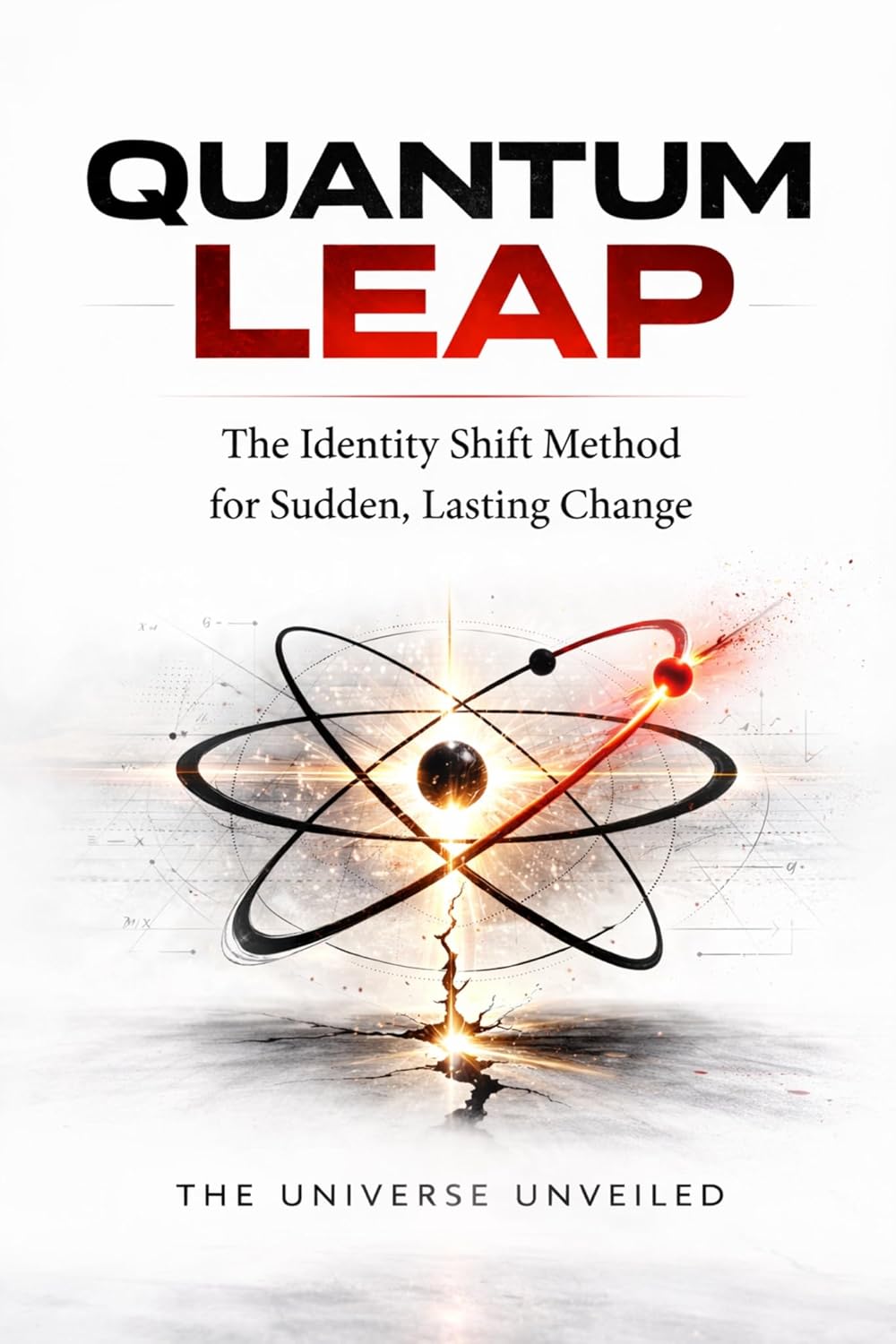
Quantum Leap
This essay explains the inversion. The book maps the full identity sequence — and how relocation happens before readiness, confidence, or proof.
Skill does not produce identity.
Identity produces skill.
When the center moves, behavior reorganizes around it.
This is the core mechanism explored in the Identity canon.
Identity is not the result of performance.
It is the position from which performance emerges.
Until identity moves, everything else remains rehearsal.
Section III — Why Confidence Is Always Late
Confidence is deeply misunderstood.
People treat it as fuel.
It is not.
Confidence is a feedback signal.
It is the nervous system registering that a position has already been taken and survived.
Which means:
Confidence is never a prerequisite.
It is always a lagging indicator.
Confidence is the nervous system catching up to a position already taken.
This reframes anxiety completely.
Anxiety is not a sign of unreadiness.
It is the physiological signature of identity moving faster than the body can integrate.
Which is why every real leap feels wrong before it feels right.
Section IV — The Signature Pattern: Premature Action That Later Looks Obvious
Look at any real leap in hindsight:
- Publishing before credentials
- Teaching before mastery
- Leaving before security
- Leading before feeling qualified
In the moment, each one looked reckless.
From the outside: premature.
From the inside: terrifying.
And later:
Obvious.
Inevitable.
Logical.
This is the signature pattern of every quantum leap.
Every real leap looks reckless in the moment
and inevitable in retrospect.
This is not randomness.
It is the identity shift preceding the evidence.
This pattern is examined directly in the Quantum Leap pillar.
Leaps are not bold actions.
They are identity relocations disguised as risk.
Section V — Why Waiting to Be Ready Freezes Identity
Waiting feels humble.
“I just want to be responsible.”
“I don’t want to rush.”
“I’m not there yet.”
But structurally, waiting does one thing:
It keeps the old reference self in control.
As long as readiness is required first,
the old identity remains the gatekeeper of the future.
Which means the future never arrives.
The identity that wants to be ready first
is the identity that cannot move.
Because readiness is being defined by the very self that must be abandoned.
Section VI — The Paradox of Competence
Here is the paradox that traps high-achievers:
Competence feels like the requirement for movement.
In reality:
Competence is required after the move, not before.
Competence stabilizes the leap.
It does not initiate it.
You do not become competent and then relocate.
You relocate, then competence is built to survive there.
Competence stabilizes the leap.
It does not initiate it.
This is why the most capable people often delay the longest.
They confuse stabilization with initiation.
Section VII — How to Know If You’re Waiting or Avoiding Relocation
There is a simple diagnostic.
Ask yourself:
- Are you collecting endlessly?
- Training without committing?
- Improving without relocating?
- Preparing without deadlines?
This line is diagnostic:
When preparation has no deadline, it has no destination.
Preparation becomes avoidance the moment it has no scheduled relocation.
Not more training.
Not more reading.
Not more frameworks.
A move.
Closing — The Real Threshold
Every leap crosses the same threshold.
Not when you feel ready.
But when you decide before readiness arrives.
You do not move when you are ready.
You become ready because you moved.
And the final law:
In every quantum leap, readiness is the last thing to arrive.
Angelica Kauffman (1741–1807), Self-Portrait Hesitating Between Painting and Music, 1794. Oil on canvas, 147 × 216 cm. Nostell Priory, West Yorkshire.
Joseph-Marie Vien (1716–1809), Daedalus Attaching Icarus’ Wings, c. 1754. Oil on canvas, 195 × 130 cm. Louvre Museum, Paris, France (inv. CL010053196).
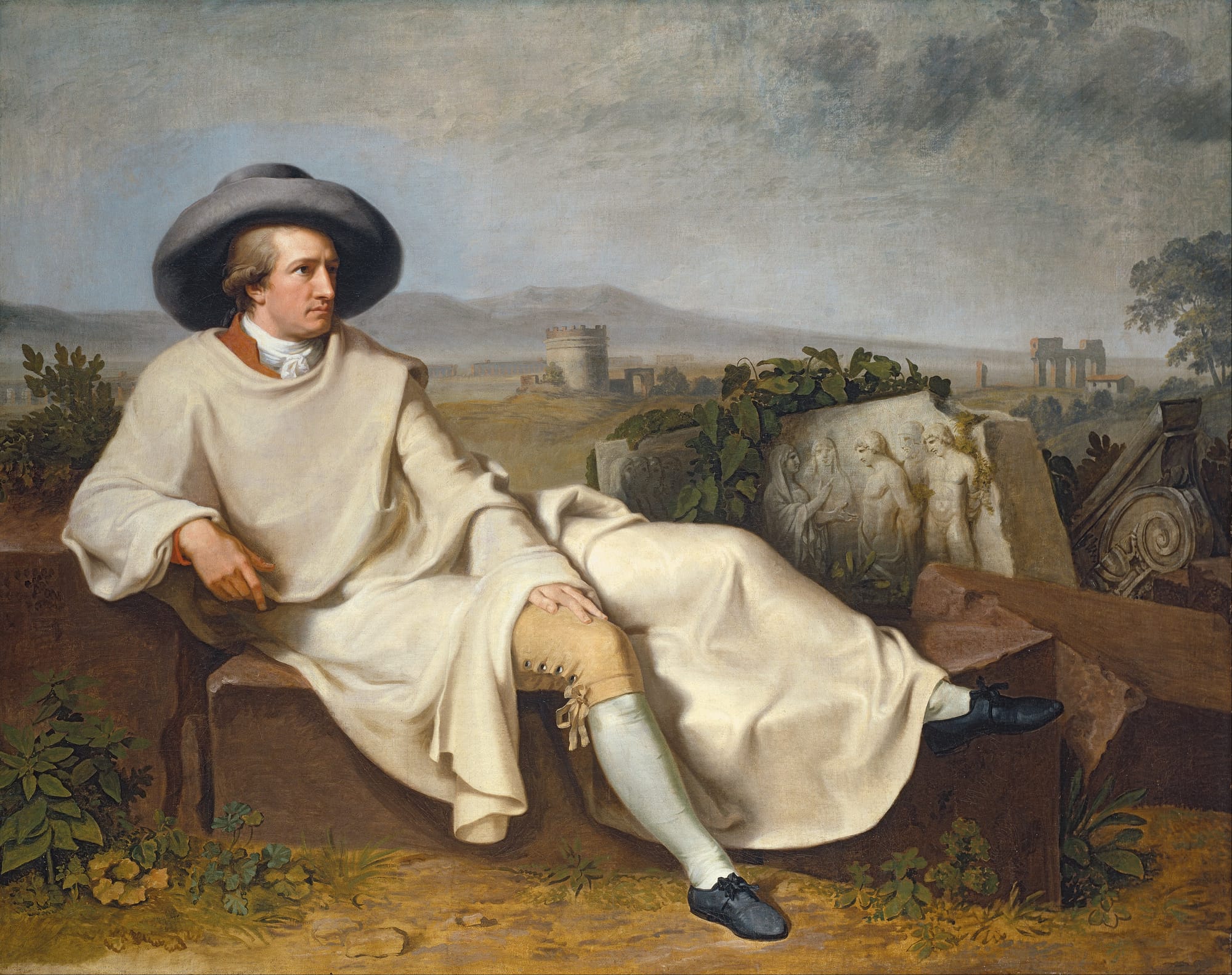
Johann Heinrich Wilhelm Tischbein (1751–1829), Goethe in the Roman Campagna, 1787. Oil on canvas, 164 × 206 cm. Städel Museum, Frankfurt.
Preparation Is the Trap.
Identity moves first—confidence follows later. Stop waiting to “feel ready.”