Why Monitoring Delays Quantum Leaps: How Observation Freezes Identity Transitions
Checking for results is not awareness—it is an identity position. This essay explains how monitoring collapses transition, reinstates time, and prevents quantum leaps from stabilizing through normalcy.


Introduction — The Hidden Mistake Almost Everyone Makes
Most people believe three things about manifestation:
Persistence helps.
Monitoring ensures success.
Checking keeps alignment.
They assume that watching closely protects the outcome.
That awareness speeds arrival.
That tracking progress keeps them “in state.”
But there is a reversal hidden in the mechanics of identity.
The moment you monitor a quantum leap, you delay it.
Not because you are doing something wrong emotionally.
Not because you are impatient.
But because monitoring is not neutral.
Observation is not awareness.
Observation is a position.
And the position of the observer is always:
Not yet there.
Section I — Observation Is a Position, Not a Neutral Act
Most people treat checking as harmless.
They look for signs.
They scan for movement.
They ask whether it’s “working yet.”
They believe they are simply being attentive.
But structurally, something else is happening.
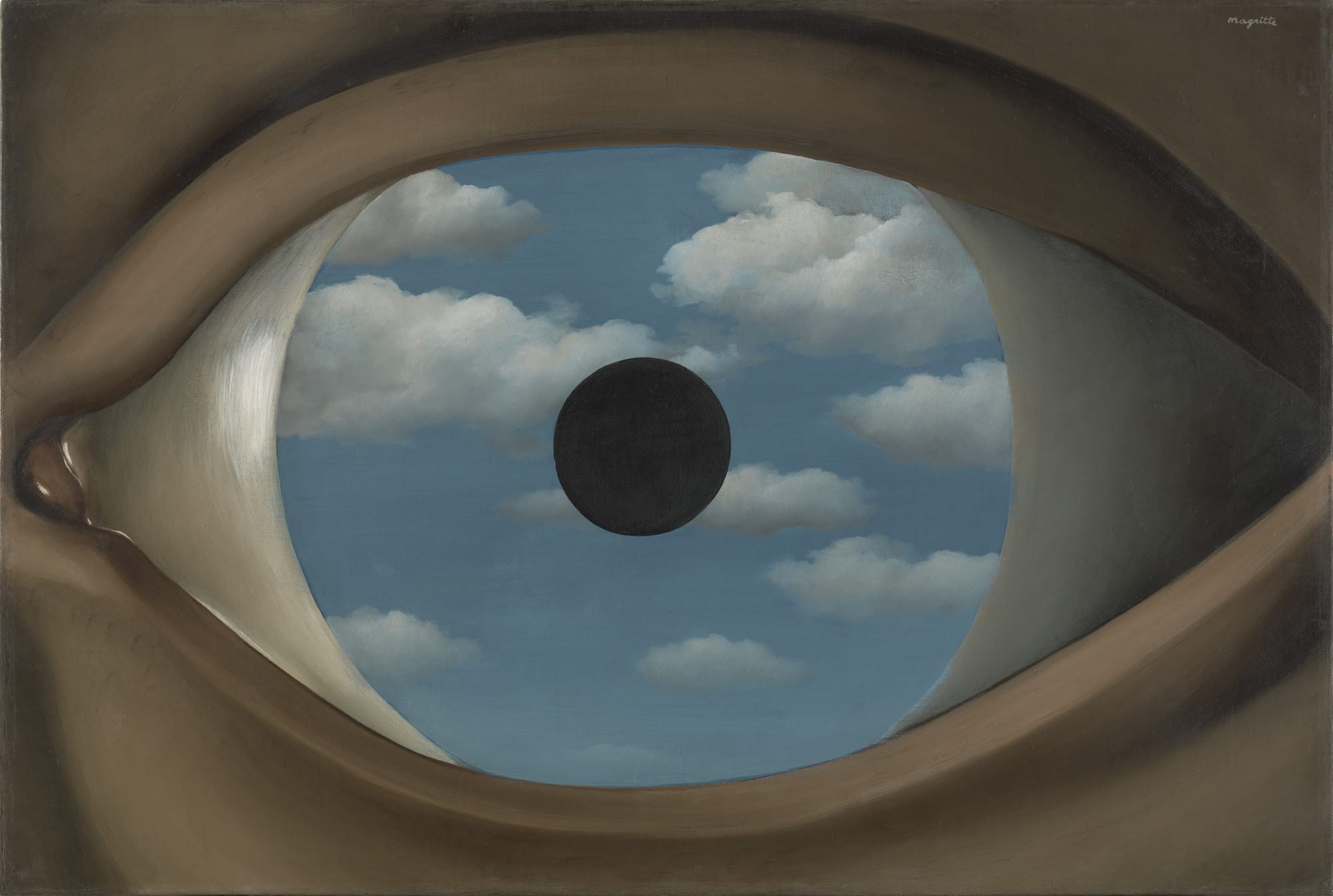
When you check, you are not gathering information.
You are re-locating yourself.
You are positioning yourself as:
The one who is still waiting.
The one who is still separate.
The one for whom the outcome is not yet normal.
Monitoring is not passive.
It is an identity declaration.
Every time you check, you reaffirm the identity of the one who does not yet have.
This is why the key line matters:
The one who checks is not the one who has.
Not psychologically.
Structurally.
The state of “having” does not monitor arrival.
It proceeds from possession.
Section II — Why SATS Fails When People Watch for Results
This is where Neville’s practice is misunderstood.
SATS works when:
Identity is assumed.
Normalcy is installed.
The end is lived from, not looked toward.
It fails when the practitioner performs a split:
They sleep as the new self.
They wake as the old one.
They check for evidence.
This is the silent sabotage.
SATS installs identity.
Monitoring reinstalls the old one.
Every morning check says:
“I am still the one who needs proof.”
And the structure obeys.
Not because SATS failed.
But because identity was not allowed to stabilize.
This is why quantum leaps do not complete under surveillance.
Section III — The Physics Analogy: Observation Collapses Possibility
This is not pop science.
This is a structural metaphor.
In quantum mechanics, observation collapses superposition.
A system of many potentials becomes a single fixed outcome when measured.
We are not claiming manifestation is literal particle physics.
We are using the analogy carefully.
In identity transitions, something similar occurs.
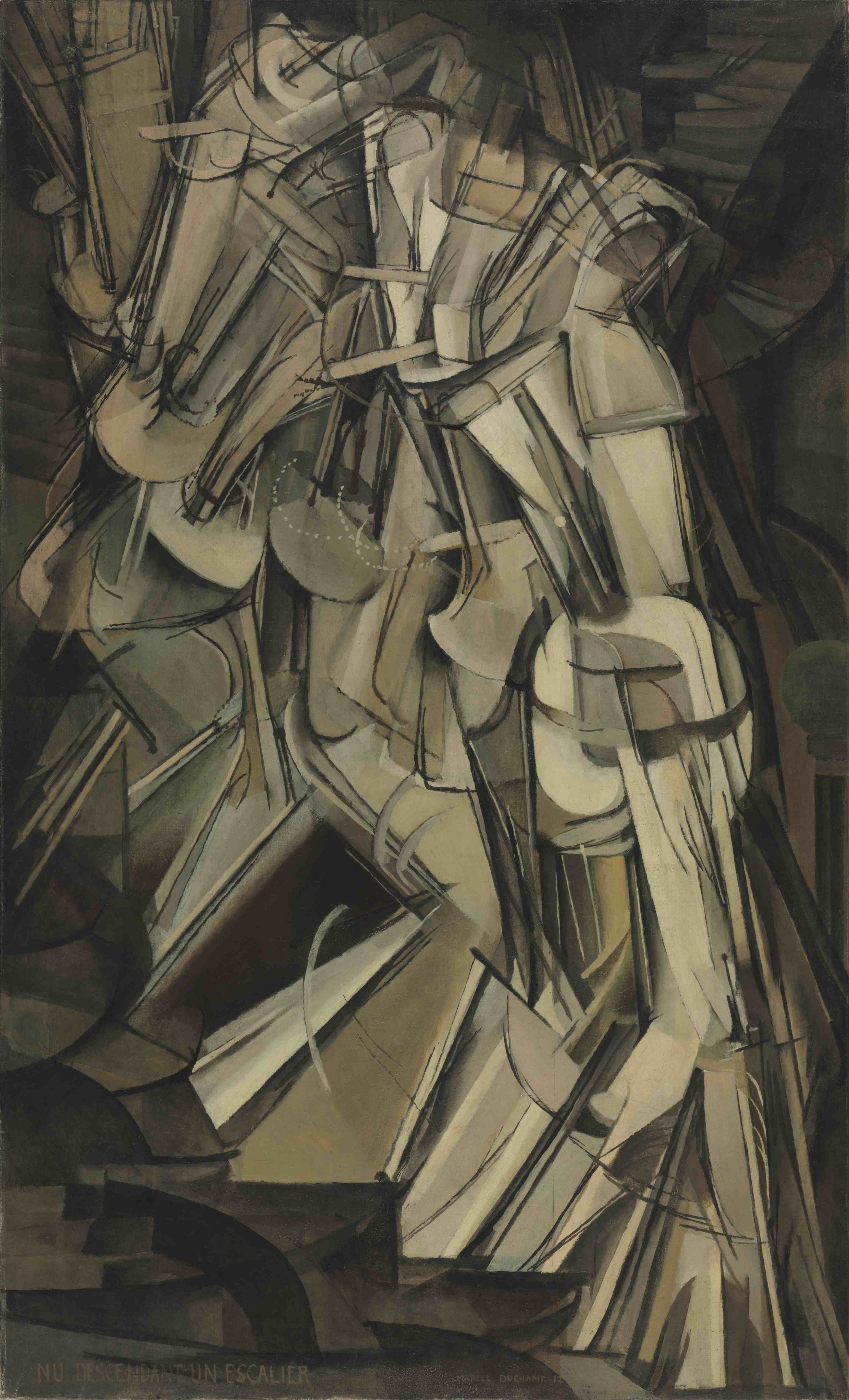
Before identity stabilizes, multiple states are available.
New position.
Old position.
In-between.
Monitoring collapses the system — not into the future state,
but into the prior one.
Because the observer is still positioned there.
Monitoring collapses identity into its previous configuration.
Not mystically.
Structurally.
The observer fixes the frame.
Section IV — Why Normalcy Is the True Mechanism of Manifestation
This is the mechanism most people never learn.
Manifestation does not occur when something feels exciting.
It occurs when it feels ordinary.
When the new identity:
Is unremarkable.
Is not discussed.
Is not monitored.
Is simply the way things are.
This is why Neville emphasized naturalness.
Excitement means “this is not yet me.”
Surveillance means “this is not yet stable.”
Attention means “this is not yet normal.”
Here is the governing law:
What is extraordinary to you is not yet causal.
What is ordinary is.
Identity becomes causal when unremarkable.
Not desire.
Not emotion.
Not visualization.
Position.
Section V — How Monitoring Reinstates Time and Delay
Time is not a clock.
Time is separation.
When you monitor, three things happen simultaneously:
You reintroduce anticipation.
Anticipation reinstates time.
Time reinstates distance.
Before monitoring, identity is in position.
After monitoring, identity is in transit.
And transit is delay.
This is the core law:
Time returns the moment identity wavers.
The moment you ask “how long?”
You have placed yourself back in “not yet.”
Delay is not imposed by reality.
Delay is created by position.
Featured Book
Quantum Leap
Why monitoring freezes identity, why delays appear when observation returns, and how quantum leaps complete only after identity stops watching itself change.
Section VI — How to Stop Monitoring Without Forcing Detachment
This is where most advice fails.
People are told:
Let go emotionally.
Detach.
Stop caring.
That is not the mechanism.
You do not stop monitoring by suppressing desire.
You stop by relocating position.
Three principles:
1. Replace checking with orientation
Do not ask:
“Has it happened yet?”
Ask instead:
“What does my life look like from the position where this is normal?”
Orientation replaces surveillance.
2. Remove outcome language
Outcome language places the event in front of you.
Position language places you inside it.
Not “when it happens.”
But “now that this is the case.”
3. Live from schedule, not outcome
Outcomes are episodic.
Identity is continuous.
When your daily structure no longer references the desire,
the identity has stabilized.
Not emotionally.
Structurally.
Closing — The Fastest Way to Manifest Is to Stop Looking for It
Quantum leaps do not complete under commentary.
They complete when identity is no longer watching itself change.
They fail when the old self remains the supervisor.
The final law:
Quantum leaps complete in silence.
They fail in commentary.
And the line that governs all of it:
What you no longer watch,
reality is free to finish.
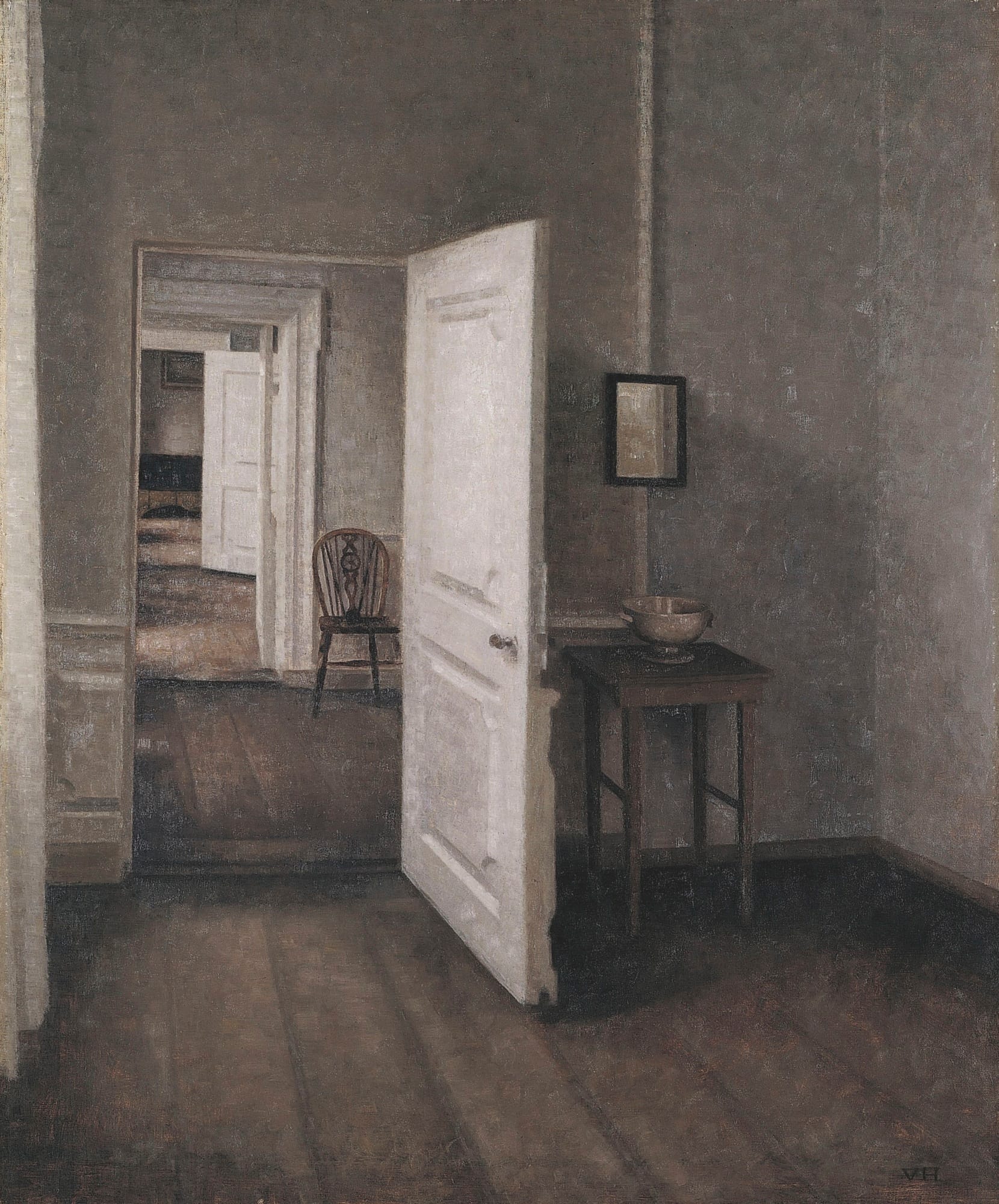
Image Credits
Office at Night (1940)
Edward Hopper (American, 1882–1967)
Oil on canvas
Walker Art Center, Minneapolis
Purchased in 1948
The False Mirror (Le Faux Miroir) (1928)
René Magritte (Belgian, 1898–1967)
Oil on canvas
Museum of Modern Art (MoMA), New York
Permanent collection
*Nude Descending a Staircase (No. 3)* (1912)
Marcel Duchamp (American, born France, 1887–1968)
Oil on canvas
Philadelphia Museum of Art
Interior. The Four Rooms (1914)
Vilhelm Hammershøi (1864–1916)
Oil on canvas
Ordrupgaard Museum, Denmark