
The Universe Unveiled Library
Enter the library. These books trace how reality responds to identity—through mythic rulers, rebels, artists, modern icons, and quiet moments of synchronicity. Choose the volume that pulls you first.

Enter the library. These books trace how reality responds to identity—through mythic rulers, rebels, artists, modern icons, and quiet moments of synchronicity. Choose the volume that pulls you first.

Long before the stage, the streaming numbers, or the noise of success, there was a song carried in silence. This is the story of how Bad Bunny lived his identity before the world was ready to hear it.

We tend to assume reality is material and random, with meaning added afterward. This essay proposes a different structure: identity precedes energy, energy organizes the field, and matter follows. What appears as coincidence is often coherence made visible.
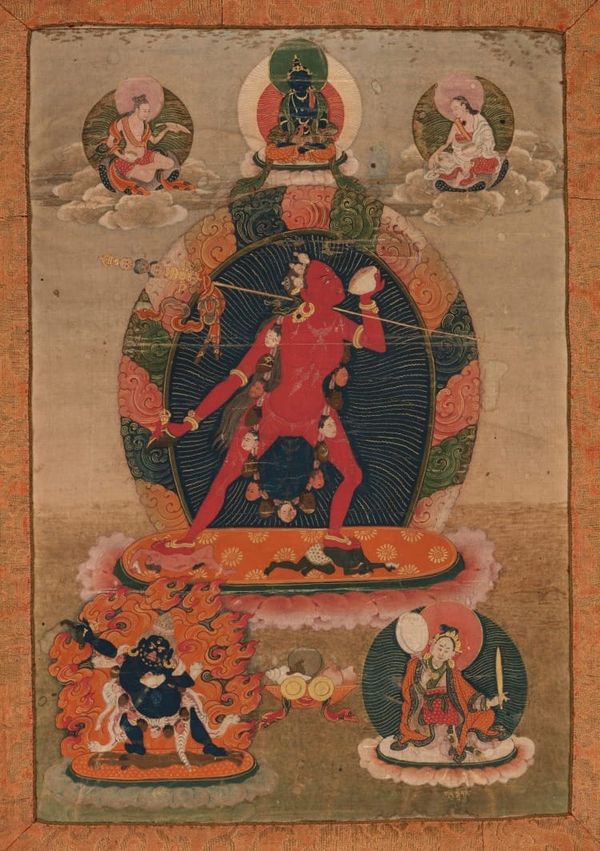
Desire is usually held under tension—managed, postponed, or justified. The Vajrayogini Principle names what remains once fear no longer governs and time no longer delays: desire at ease. Not indulgence or striving, but the lived state of wanting without resistance.
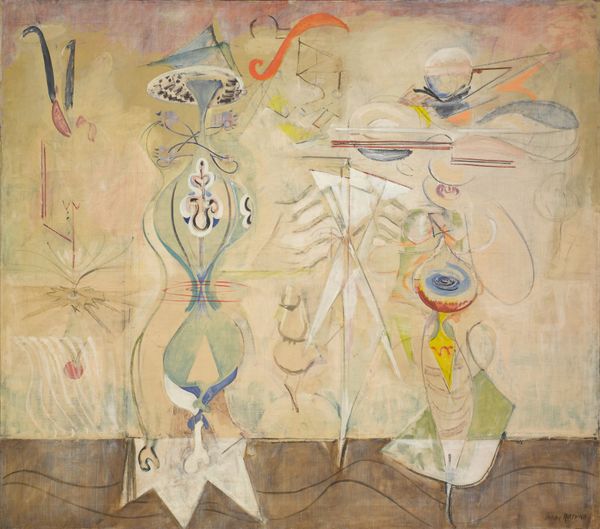
Synchronicity is not coincidence or instruction. It is meaningful coordination that appears when identity stabilizes. In a living universe governed by consciousness, response is not exceptional—it is structural.
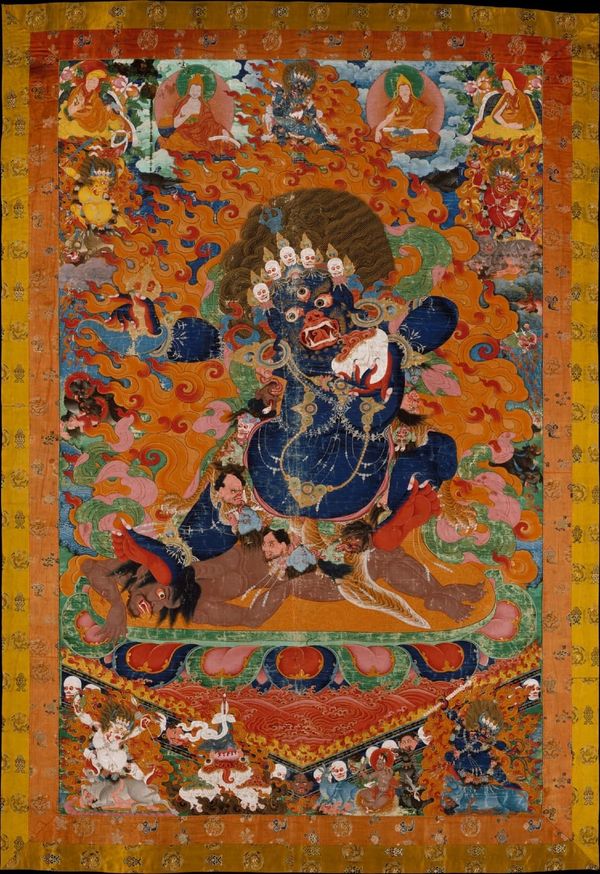
Yamantaka represents the moment fear loses authority. Not the absence of fear, but the end of its jurisdiction. When negotiation with consequence ends, identity stabilizes—and time no longer delays. This is wrathful wisdom: uninterrupted presence before reality reorganizes.

A small book of quiet recognitions — where coincidence, timing, and repetition align with a precision that feels unignorable.

This essay observes how the universe responds—through synchronicity, timing, repetition, and interruption—revealing meaning as attention aligns with arrangement.

“Trust the process” once offered comfort. Now it obscures causation. This essay explores why time no longer responds to waiting, how identity collapses delay, and why the Mahākāla Principle explains what actually moves reality.

Identity is not who you think you are—it is who reality treats you as. This foundational essay defines identity as position rather than personality, showing how athletes, artists, and archetypes reveal the law that quietly shapes reality.
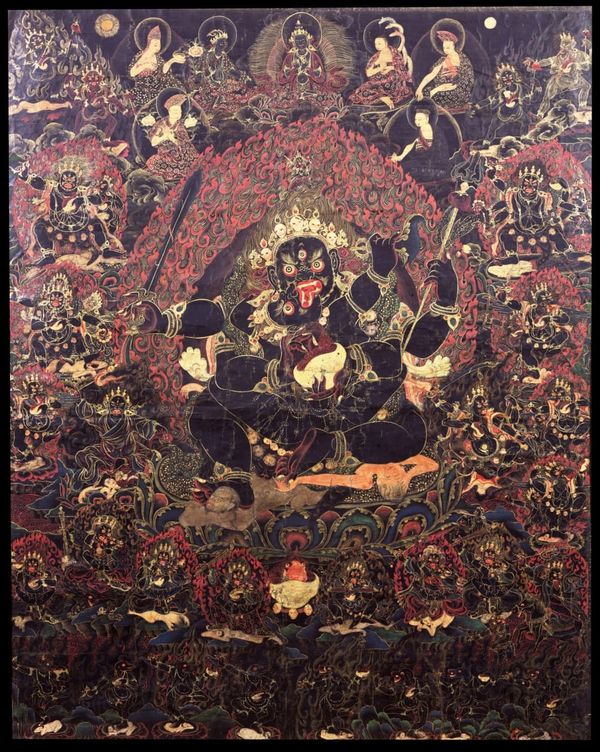
Time does not reward effort. It responds to decision. The Mahākāla Principle reveals how identity, once fixed, collapses waiting and forces reality to move.

The Inner Pitch is the private arena where identity is rehearsed before it is expressed. This hub explores how inner standards, self-concept, and discipline shape performance long before results appear — through the lives of the world’s greatest athletes.