The Bridge of Incidents: How Quantum Leaps Actually Unfold
Sudden change is not a miracle — it is a sequence. This essay explains what Neville Goddard meant by the Bridge of Incidents and how every quantum leap unfolds through invisible structural reordering.
Why Sudden Change Is Built from Invisible Sequence
Introduction — The Myth of Sudden Miracles
People imagine quantum leaps as cinematic moments.
One decision.
One assumption.
One instant where life finally turns.
In the modern manifestation world, the leap is sold as a snap of the fingers — a bold declaration, a single imaginal act, a sudden miracle.
But in Neville Goddard’s actual teaching, sudden change never arrives suddenly.
Every quantum leap is built from a bridge.
And the bridge is not dramatic.
It is structural.
The Bridge of Incidents was never meant to describe lucky breaks or inspiring coincidences. It was Neville’s way of pointing to something far more precise:
Reality does not jump.
It re-sequences.
The bridge is not a chain of fortunate events.
It is the re-ordering of the field after identity has moved.
Section I — What Neville Meant by “Bridge of Incidents”
When Neville spoke of the Bridge of Incidents, he described a natural chain of events leading inevitably to fulfillment.
Not planned.
Not predicted.
Not consciously designed.
The individual does not select the bridge.
They only select the state.
Once the state is occupied, a sequence begins assembling that no amount of planning could have engineered.
This is the part most people miss.
Neville did not teach that you visualize events.
He taught that you relocate identity — and events arrange themselves afterward.
The bridge is not chosen.
It is assembled.
Section II — Bridge as Quantum Sequencing, Not Linear Steps
Most people think in linear mechanics:
Step 1 → Step 2 → Step 3 → Result
This is causal thinking.
But the Bridge of Incidents does not operate causally.
It operates structurally.
In a quantum leap, three things happen in order:
- Identity relocates
- The field reorganizes
- A sequence emerges
The mistake is believing the sequence creates the leap.
It does not.
The leap happens first.
Identity relocates.
Only then do events begin to arrange themselves.
Events do not cause the leap.
They appear because the leap has already occurred.
From the outside, this looks like progress.
From the inside, it feels like disorder.
But structurally, it is simple:
Once identity moves,
the shortest possible path from the old position to the new one begins to assemble.
That path is the bridge.
Section III — Why the Bridge Is Always Invisible at First
From inside the bridge, nothing looks purposeful.
Decisions feel impulsive.
Events feel random.
Sometimes things even look worse before they improve.
This is why people panic mid-bridge.
They evaluate the process from the old identity.
They expect confirmation before completion.
But the bridge only becomes visible in retrospect.
Only after the outcome appears do people say:
“Now I see why that happened.”
This is where most assumptions collapse too early.
They abandon the state during what Neville would have called the most important phase: the invisible sequencing phase.
This is also where the mechanics of the quantum leap in manifestation become critical to understand — and why structural delay exists as a law, not a failure.
Section IV — Identity Is the Only Cause, Not Events
This is the core correction.
People misread the bridge.
They believe:
- The job offer caused the leap
- The meeting caused the breakthrough
- The opportunity caused the shift
But these are not causes.
They are coordinates.
The cause was identity relocation.
Identity moved first.
The field reorganized second.
Sequence followed third.
This is the central axiom of your canon:
Identity precedes action.
Action precedes outcome.
And this is why the Identity Is the Law principle governs every bridge.
Events are never primary.
They are evidence.

Featured Book
Quantum Leap
A precise breakdown of the Bridge of Incidents, structural delay, and why identity relocates first — while reality assembles the sequence afterward.
Section V — Why You Cannot Engineer the Bridge
This is where most manifestation teaching fails.
People try to design the sequence.
Who they should meet.
Which door should open.
Which problem should disappear.
But the moment you attempt to control the bridge, you reveal that identity has not moved.
Because strategy belongs to the old state.
The bridge is built by the position you hold, not the strategy you choose.
You cannot plan:
- Which structures collapse
- Which environments appear
- Which relationships dissolve
Trying to engineer the path is how people remain in the same identity while pretending to evolve.
Section VI — How to Recognize You Are Already on a Bridge
This is where the teaching becomes experiential.
Signs you are already mid-bridge:
- Uncharacteristic decisions you cannot logically explain
- Disruptions that force movement
- New environments appearing without effort
- Old structures dissolving without resistance
Most people label this as instability.
But structurally, this is sequencing.
Confusion is often evidence of re-ordering.
When identity moves, coherence temporarily collapses.
And that collapse is not danger.
It is architecture shifting.
Closing — The Bridge Is Proof the Leap Has Already Occurred
If the bridge is moving,
The identity has already shifted.
The sequence does not mean the leap is coming.
It means the leap is complete.
You do not cross into a quantum leap.
You cross because it already happened.
And the bridge is simply the evidence that reality is catching up to who you already are.
Bridge of Incidents FAQ
Is the Bridge of Incidents a series of lucky events?
How is the bridge different from steps?
What should I do while on the bridge?
Image Credits
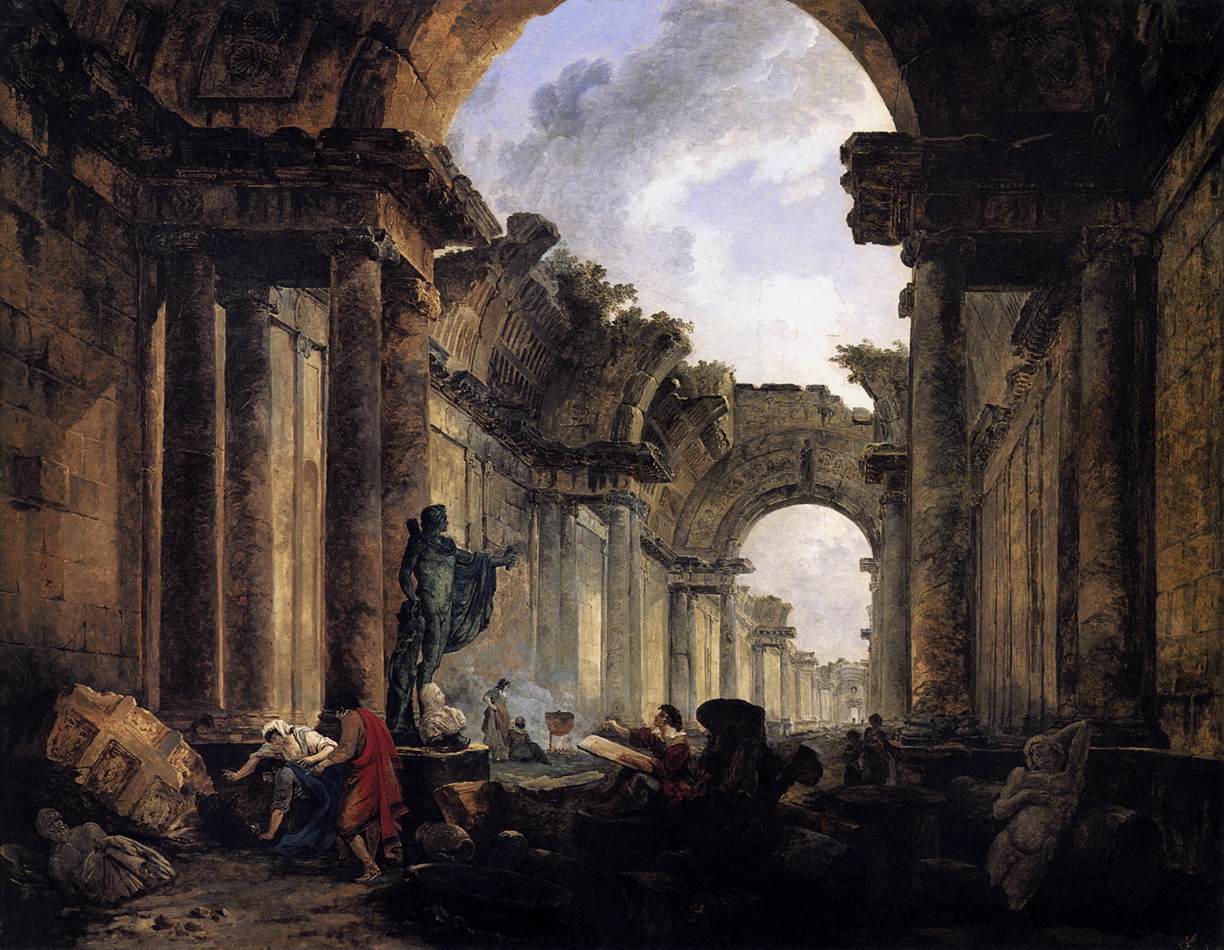
Hubert Robert (c.1796), Imaginary View of the Grande Galerie in the Louvre in Ruins, oil on canvas. Musée du Louvre, Paris.
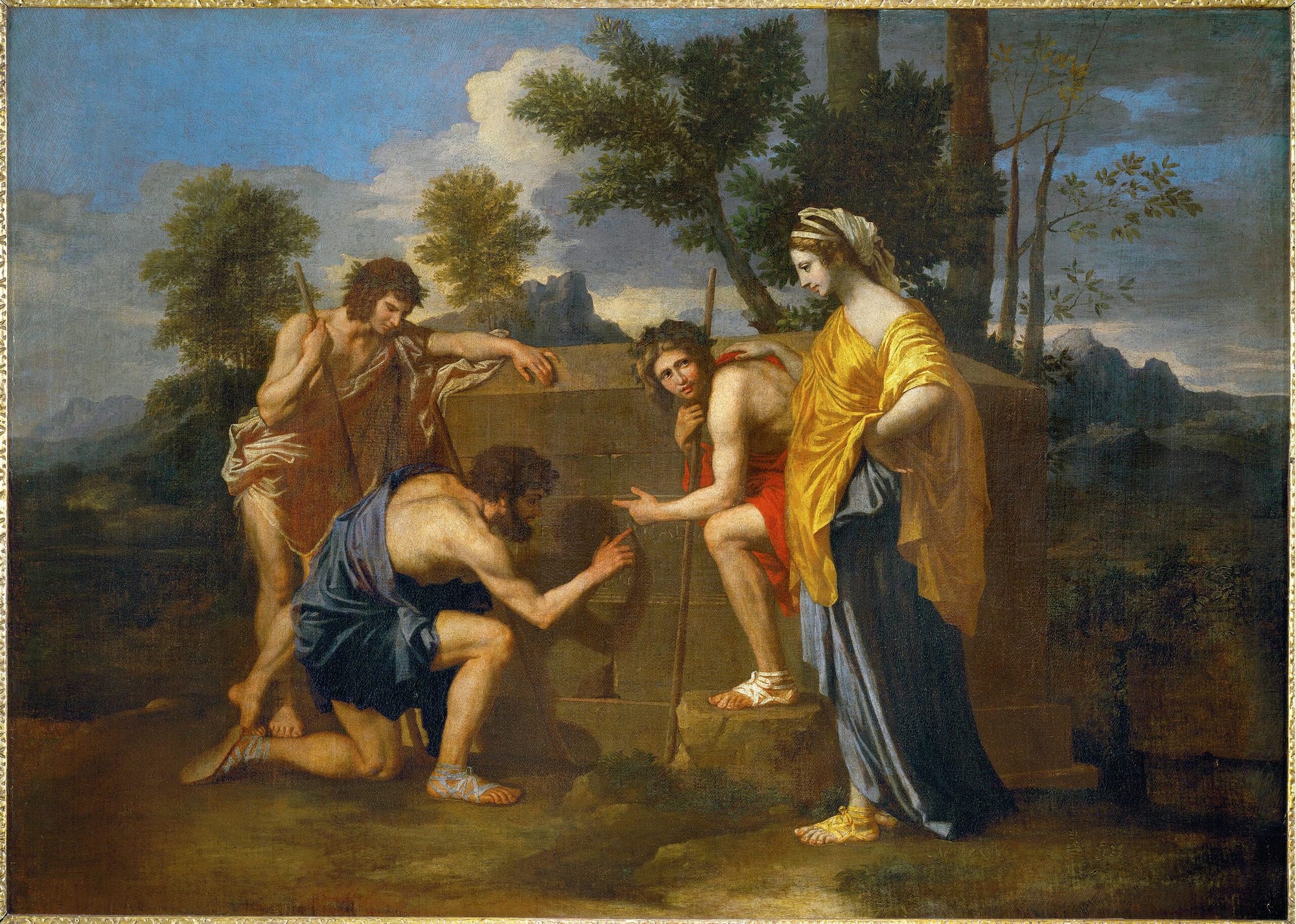
Nicolas Poussin (1637–1638), Et in Arcadia Ego. Oil on canvas. Musée du Louvre, Paris.
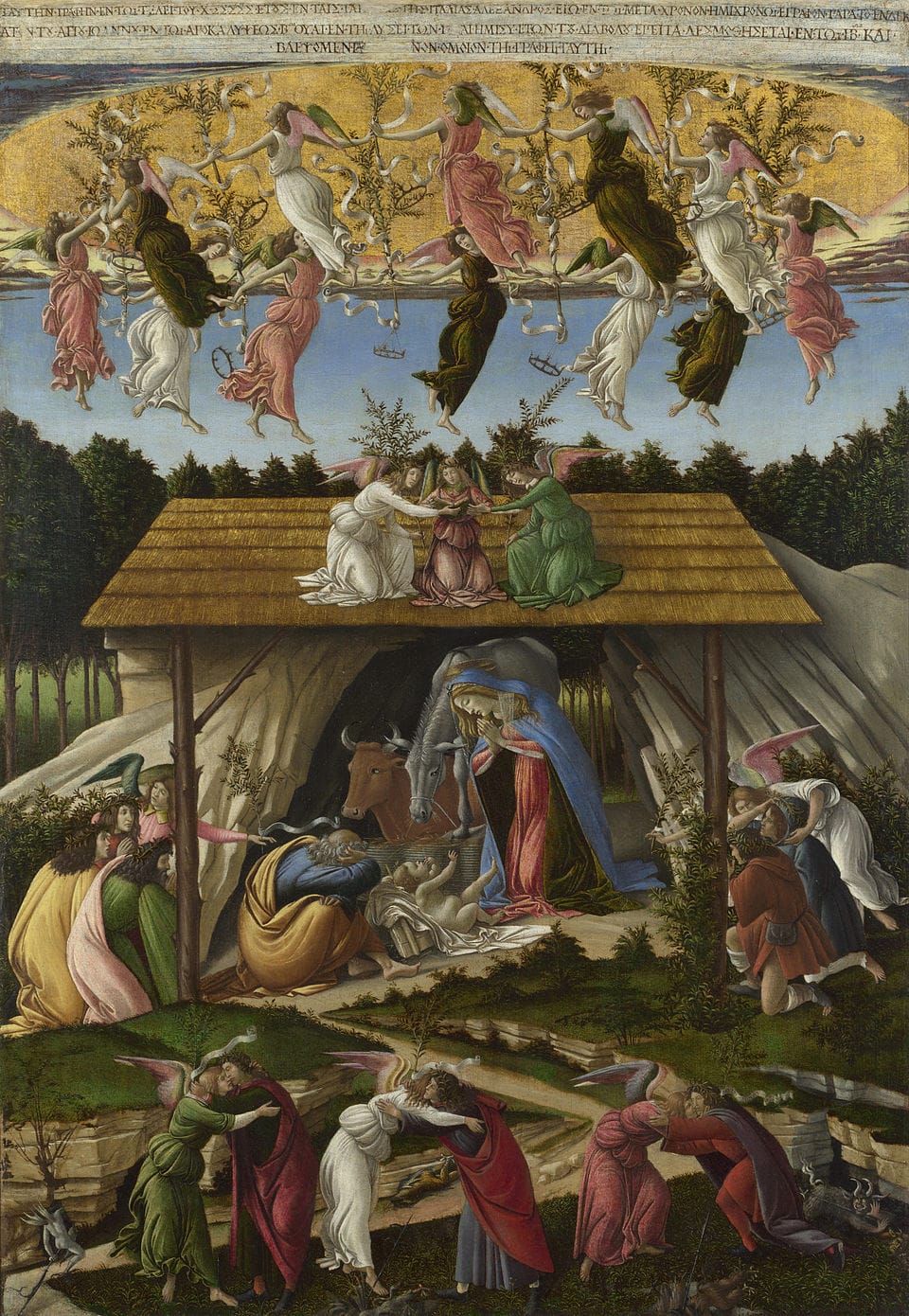
Sandro Botticelli (c.1500), Mystic Nativity. National Gallery, London.
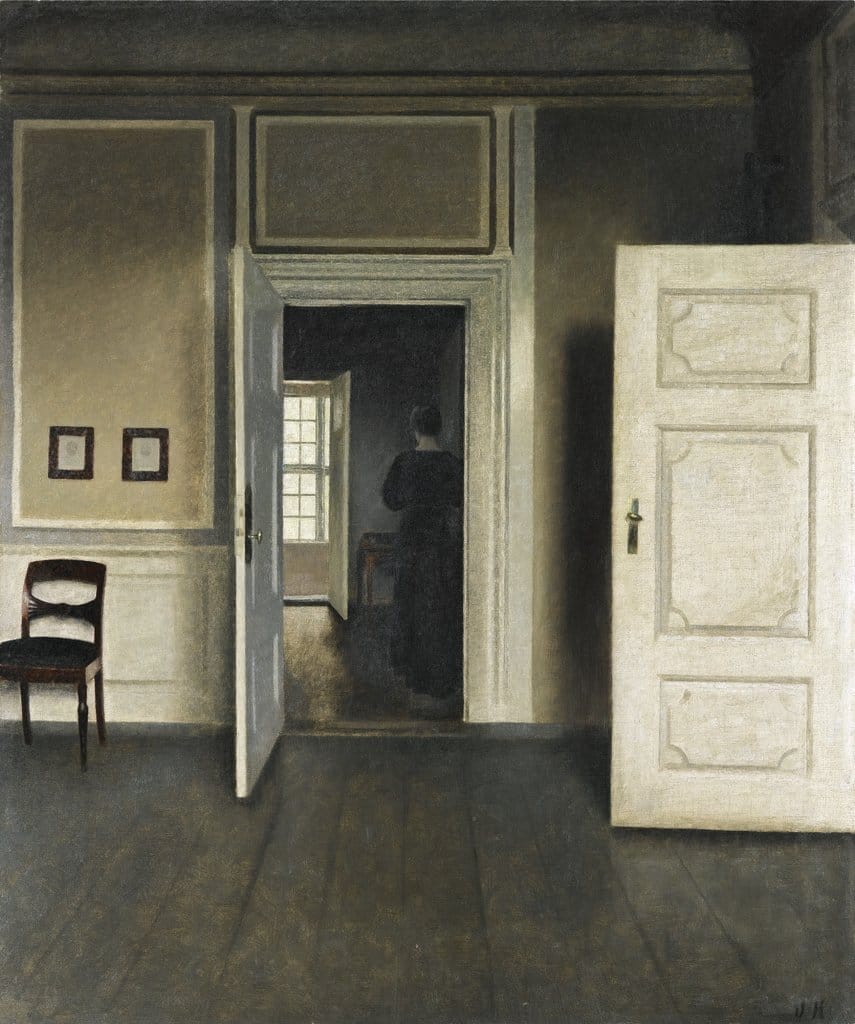
Vilhelm Hammershøi, Interior, Strandgade 30 (1901), Städel Museum, Frankfurt
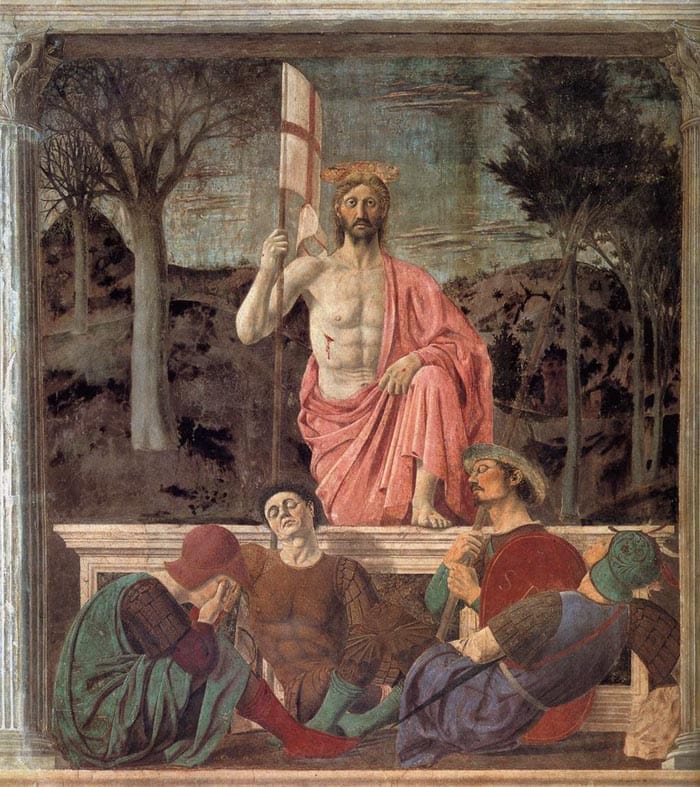
Piero della Francesca (c.1463–1465), The Resurrection. Museo Civico, Sansepolcro.
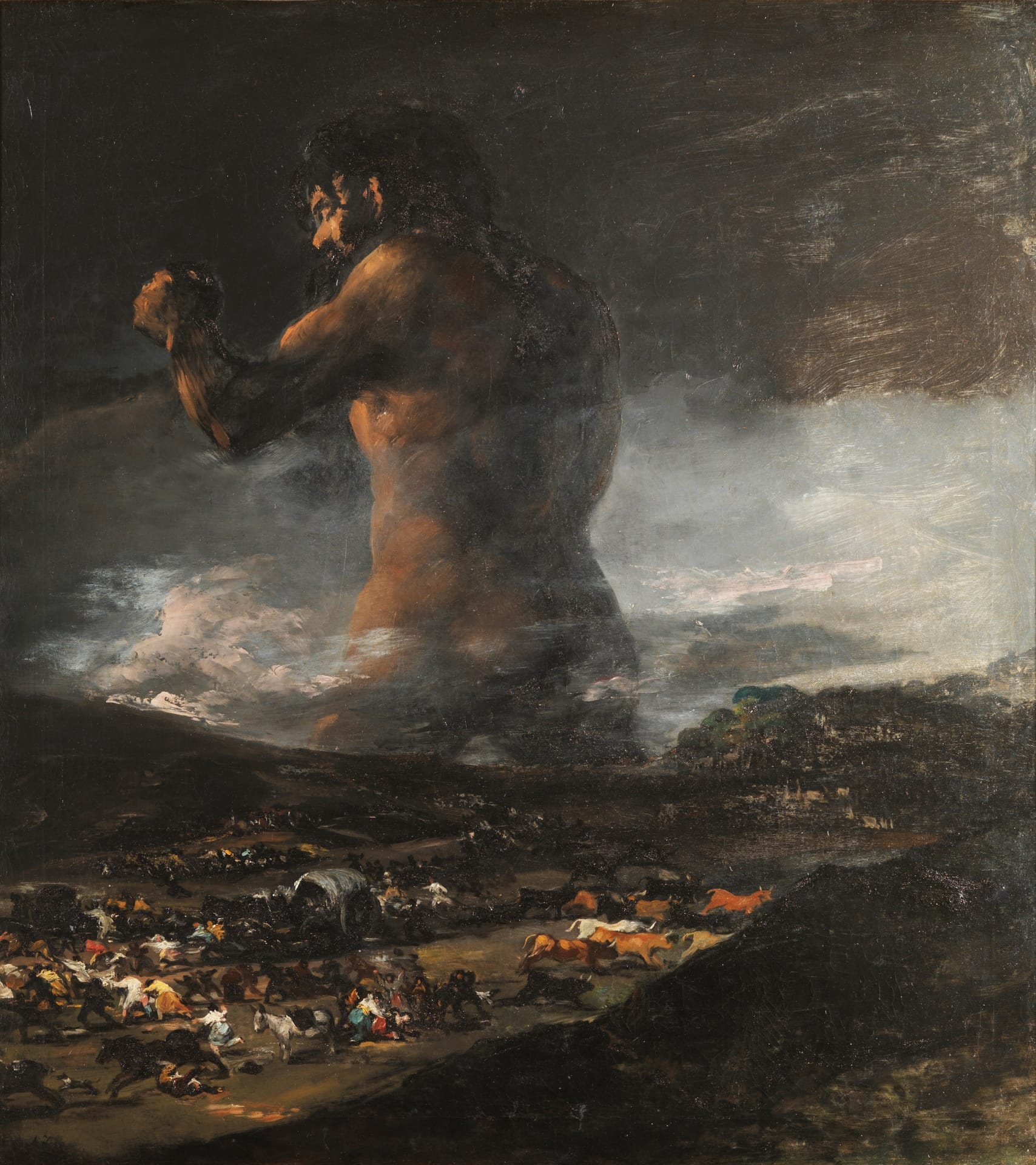
Francisco de Goya (after 1808), The Colossus. Museo del Prado, Madrid.
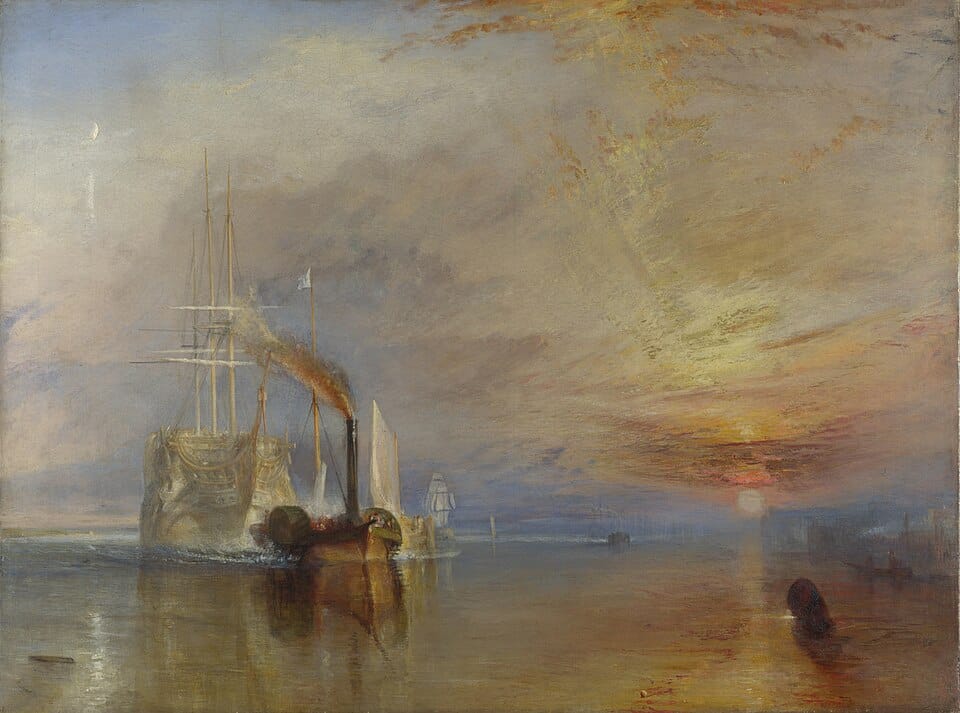
J.M.W. Turner (1839), The Fighting Temeraire. National Gallery, London.
Piero della Francesca (c.1463–1466), The Dream of Constantine. Basilica of San Francesco, Arezzo.