The Science of Getting Rich — The Wealth Doctrine of Wallace Wattles
This pillar reframes The Science of Getting Rich as a doctrine of lawful wealth generation—exploring the creative plane, structural delay, and the mechanics behind manifestation and prosperity formation.

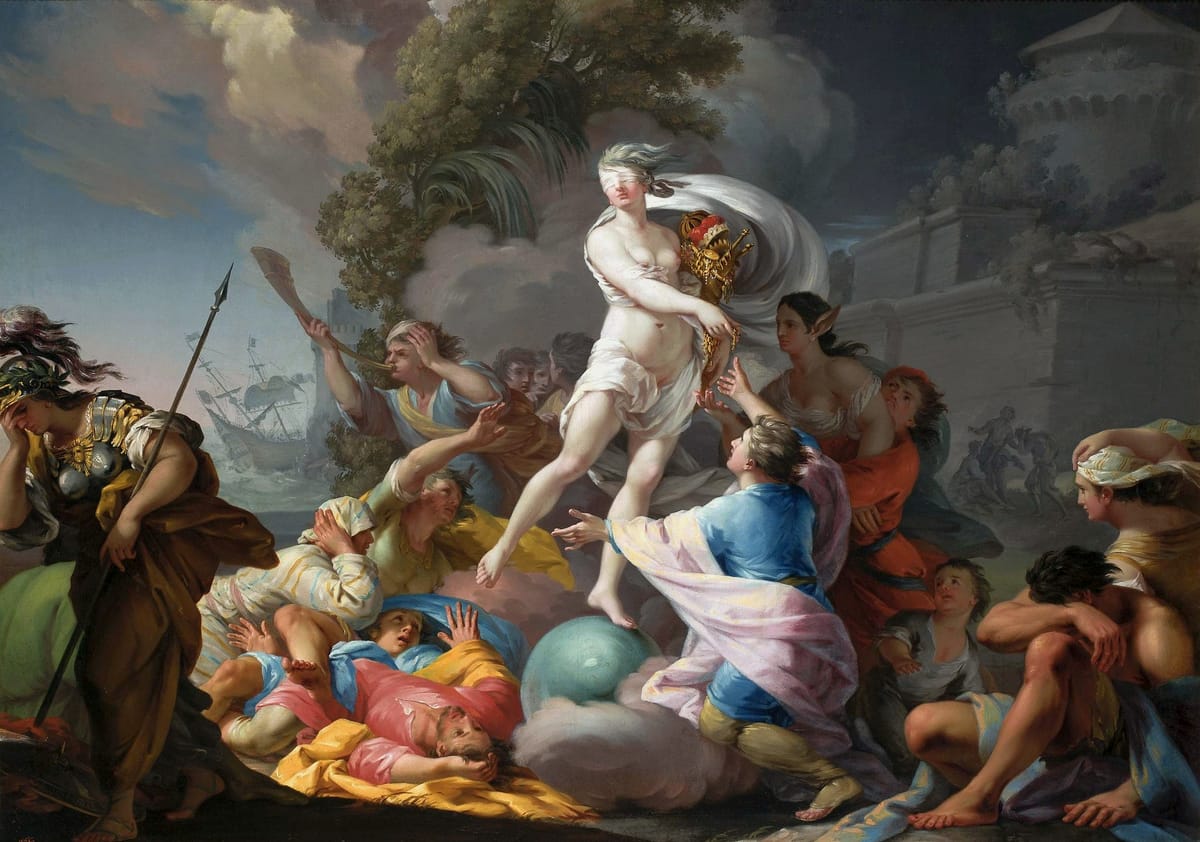
Wealth Was Never About Effort
Most people approach wealth as a reward.
Work → income → accumulation.
Effort is treated as cause.
Circumstance as determinant.
Opportunity as gatekeeper.
Wallace Wattles rejected this entire framework.
He did not write The Science of Getting Rich as motivation.
He wrote it as doctrine — a structural explanation of how wealth forms.
His core assertion was simple but destabilizing:
Wealth is not produced by labor alone.
It is generated through lawful alignment between identity, thought, and action.
This pillar does not treat Wattles as a historical author.
It positions him as an architect of wealth mechanics — a system writer who encoded prosperity as a causal structure rather than a motivational pursuit.
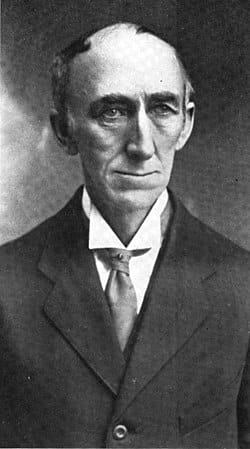
I — Wealth as Identity Position
Before wealth becomes material, it becomes positional.
This is the first principle embedded in Wattles’s doctrine.
He never instructs the reader to “try harder.”
He instructs them to occupy a different mental jurisdiction — what he calls the Certain Way.
From an identity lens, this is not behavioral advice.
It is positional relocation.
Wealth does not arrive to effort.
It organizes around identity.
The wealthy position is characterized by:
- Supply expectation
- Ownership orientation
- Increase perception
- Creative authorship
These are not emotional states.
They are structural coordinates from which perception, decision, and opportunity organize.
When identity occupies scarcity, effort produces survival.
When identity occupies supply, effort produces multiplication.
Wattles did not invent this principle.
He codified it.
II — The Certain Way as Structural Law
Wattles describes wealth formation as operating through fixed causation — “like algebra or arithmetic.”
The process is lawful, not mystical.
It unfolds across four structural layers.
1) Substrate Assumption
Reality contains what he calls Formless Substance — a responsive creative field capable of receiving thought impressions and producing form.
Modern language would call this:
The Quantum field responsiveness.
The substrate is not passive matter.
It is formative intelligence.
2) Thought Authority
Thought must be held as directive, not reactive.
A coherent mental image — clear, definite, uninterrupted — acts as the formative blueprint impressed upon the creative field.
Contradictory appearances must not overwrite it.
This is not optimism.
It is pattern preservation.
3) Gratitude Stabilization
Gratitude is often misread as emotional positivity.
In Wattles’s system, it is structural.
Gratitude stabilizes attention on supply signals, preventing the mind from drifting into scarcity orientation.
It keeps identity located on the creative plane.
4) Directed Action
Thought alone does not produce receipt.
Thought organizes pathways.
Action receives through them.
“By thought the thing is brought to you; by action you receive it.”
This coupling prevents passive metaphysics and competitive overexertion alike.
III — The Creative Plane vs. The Competitive Plane
Wattles’s most operational distinction is not between success and failure.
It is between planes.
The Competitive Plane
Defined by:
- Limited supply assumption
- Rivalry cognition
- Fear-based urgency
- Extraction economics
Here, wealth is pursued by displacement — winning at another’s expense.
Effort is frantic because identity is threatened.
The Creative Plane
Defined by:
- Infinite supply orientation
- Generative authorship
- Calm execution
- Increase-based exchange
Wealth is produced by creating value that expands life rather than redistributes scarcity.
This is identity relocation.
The operator ceases to function as competitor and becomes creator.
Gratitude stabilizes this jurisdiction.
Hurry destabilizes it.
Scarcity perception collapses it.
IV — Thought Substance and Form Impression
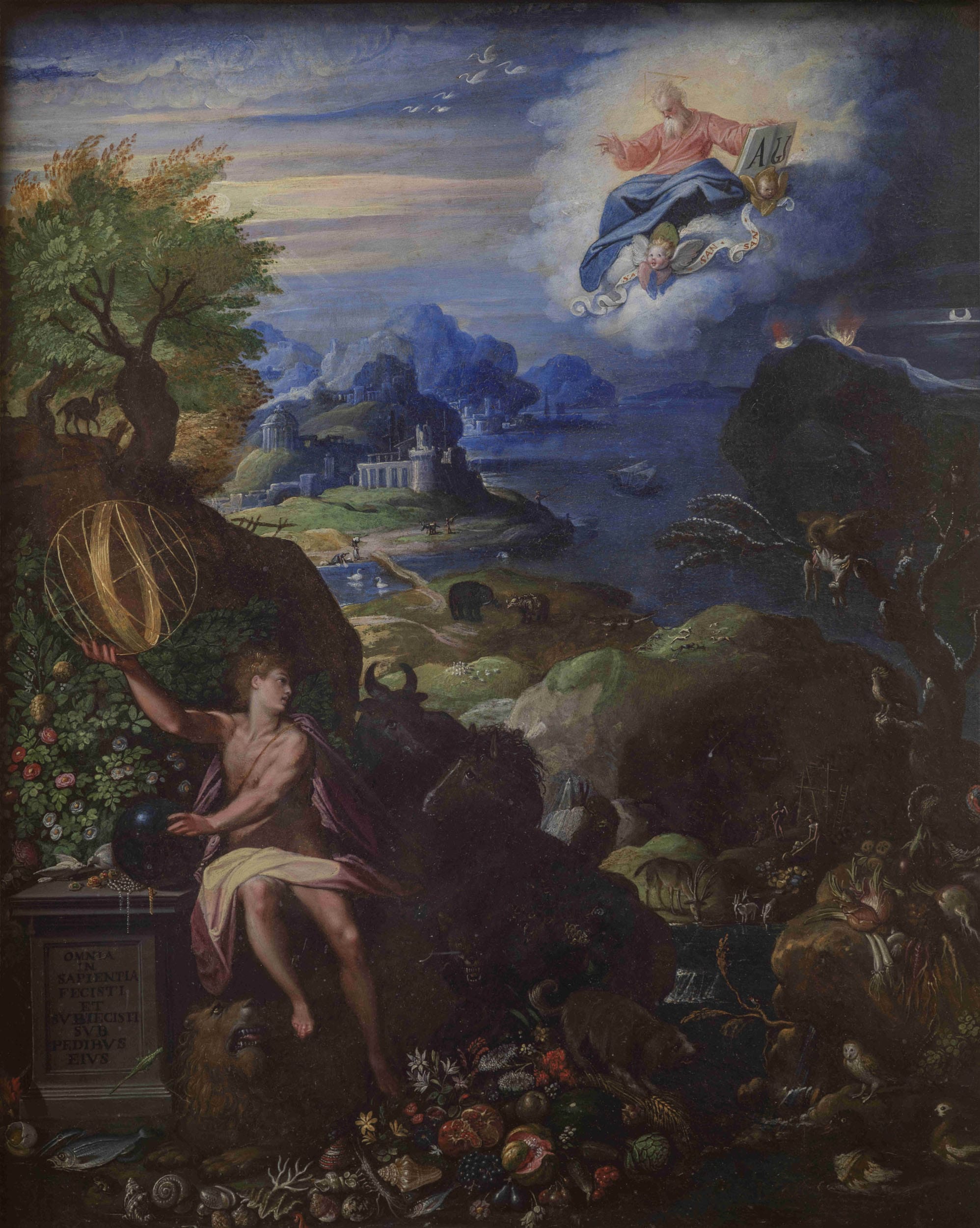
Wattles asserts that thought held within the creative substrate produces form.
But form does not appear instantly finished.
Thought initiates motion along lawful channels.
This reframes manifestation entirely.
Creation is not teleportation.
It is orchestration.
Events, people, opportunities, and resources reorganize to deliver the impressed pattern through existing pathways.
This is structural manifestation — not wishing, but pattern installation within responsive reality.
V — Action as Reception Architecture
Action in the Certain Way is not hustle.
It is readiness.
Three principles govern it:
Reception Orientation
The operator prepares life to receive what has been impressed.
Channels must exist:
- Accounts
- Skills
- Inventory
- Partnerships
- Capacity
Without reception architecture, manifestation stalls.
Anti-Hurry Law
Hurry indicates plane violation.
It signals re-entry into competitive cognition.
The corrective is immediate:
Return to vision.
Return to gratitude.
Restore creative jurisdiction.
Increase Exchange Principle
Wealth must increase life for others.
Transactions delivering more use value than cash value maintain creative plane integrity.
Extraction collapses it.
VI — Temporal Mechanics and Structural Delay
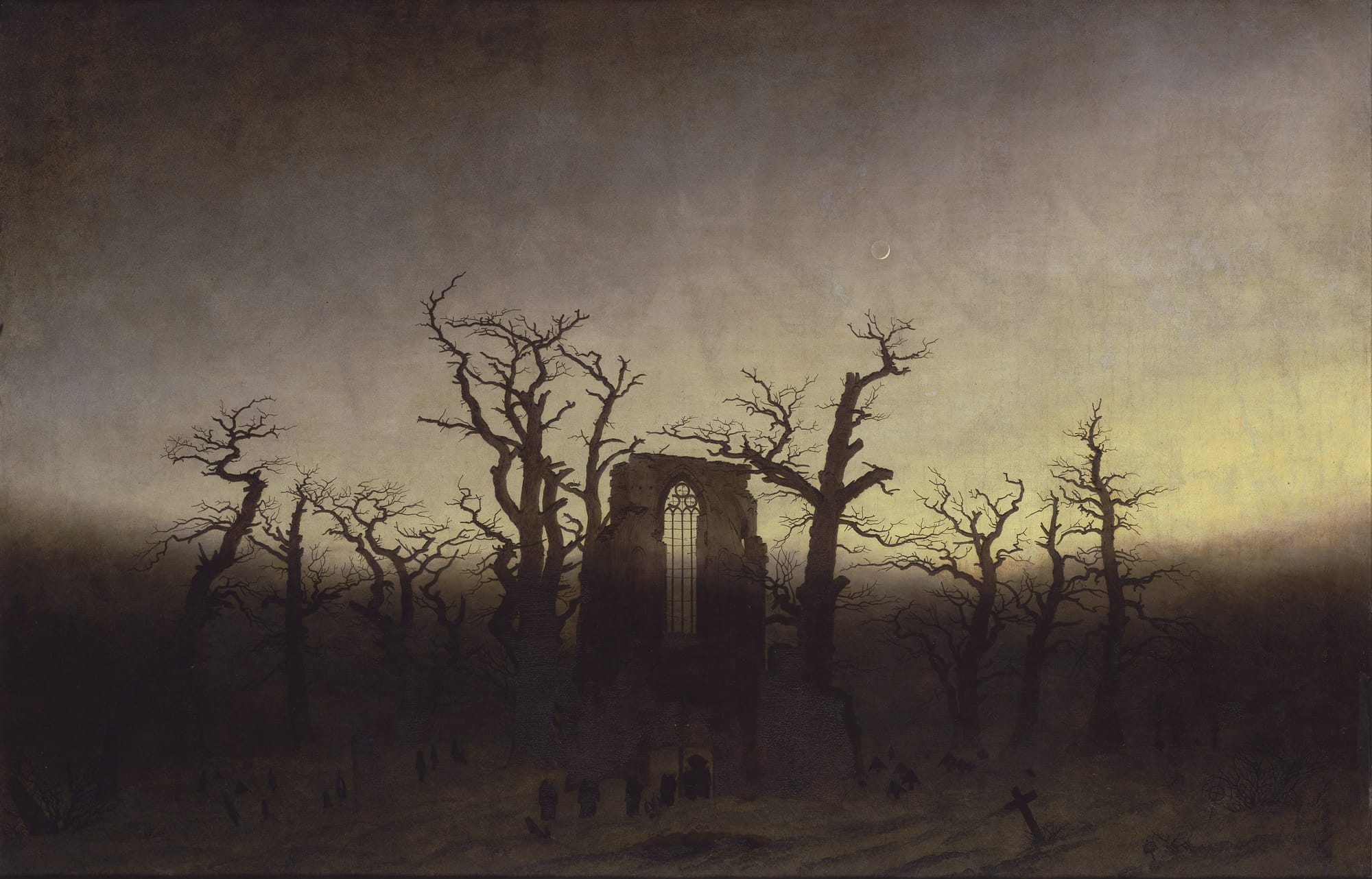
One of Wattles’s most misunderstood teachings is gestation.
He compares manifestation to an oak tree.
The seed is impressed instantly.
The tree unfolds through process.
This is structural delay.
Identity relocates immediately.
Reality reorganizes relationally.
The interval is not failure.
It is coordination.
This transitional interval is explored more fully in the Quantum Leap Manifestation doctrine — where identity relocation produces discontinuous external change once systemic reorganization completes.
Evidence does not lead identity.
Evidence follows settlement.

Identity Precedes Wealth
Structural delay is not failure — it is reorganization. This book explains how identity relocation produces financial quantum leaps.
Read the Method →VII — Quantum Wealth Formation
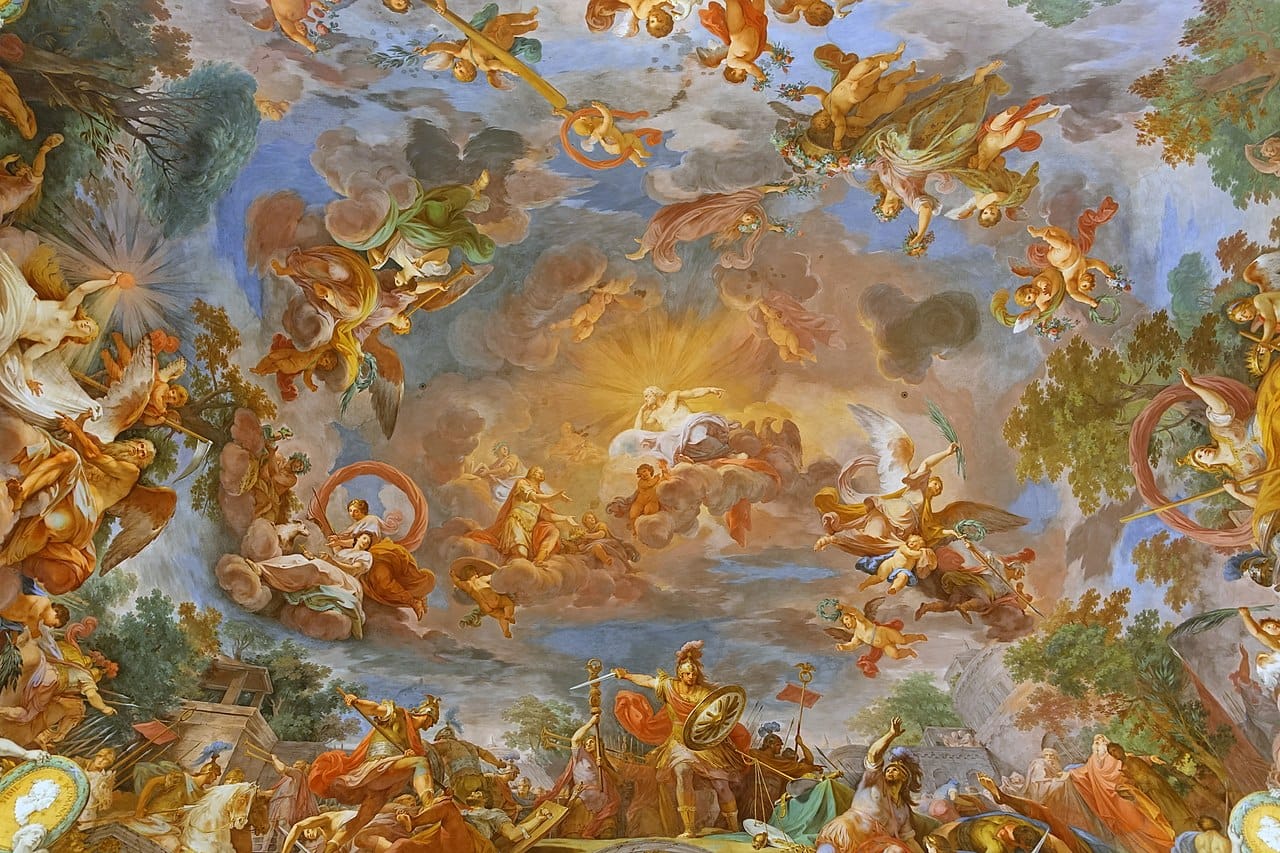
When identity stabilizes on the creative plane long enough, wealth formation ceases to appear gradual.
It becomes discontinuous.
Opportunities cluster.
Receipts accelerate.
Channels multiply simultaneously.
From the outside, this looks like luck.
From the structural view, it is quantum coherence.
The work occurred earlier — during the invisible reorganization phase.
Wealth quantum leaps are not anomalies.
They are threshold effects.
VIII — Wealth Consciousness as Installed Identity
Wattles’s doctrine is not behavioral.
It is identity installation.
Three mechanisms encode it:
Definiteness Installation
A precise wealth vision replaces vague desire.
Clarity allows transmission.
Supply Attention Discipline
Gratitude maintains supply perception.
Scarcity cognition is prevented from reasserting positional gravity.
Purpose Continuity
Faith is sustained regardless of appearances.
The operator holds thought authority until manifestation channels complete.
These are not mindset exercises.
They are identity stabilization protocols.
IX — Doctrinal Lineage
Wattles’s architecture precedes modern prosperity teaching but echoes through it.
His primitives reappear across later systems:
- Mental image
- Faithful occupation
- Creative vs competitive cognition
- Thought + action coupling
Modern popularization — particularly through media like The Secret — repackaged these doctrines but often removed structural rigor.
Results were promised without identity relocation.
Structure was replaced with sentiment.
The original doctrine remained intact beneath the distortion.
X — Wealth in the Identity Economy
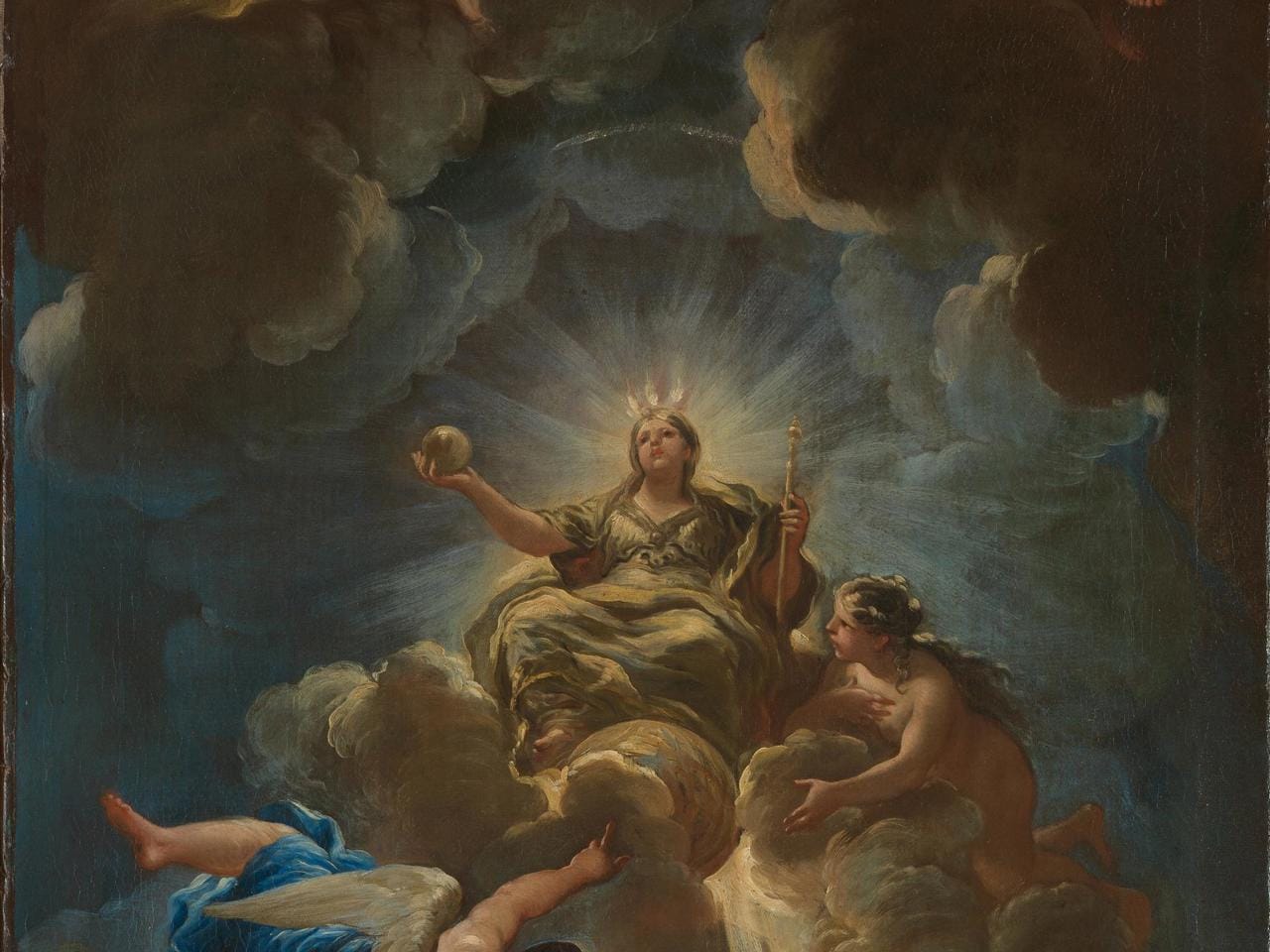
Wattles’s framework becomes more visible — not less — in a digital economy.
Modern wealth often originates in non-material creation:
- Ideas
- Media
- Education
- Software
- Community
- Intellectual property
This is pure creative plane production.
His “use value exceeds cash value” doctrine maps directly onto creator wealth.
The more life-capacity delivered:
- Clarity
- Skill
- Access
- Status
- Expansion
…the more wealth coheres around the operator.
Wealth becomes circulation of increased life, not extraction of limited resources.
XI — Closing Transmission
Wattles did not write a success book.
He wrote a wealth doctrine.
Its foundation is positional, not motivational.
Wealth is generated through:
- Identity occupation
- Thought authority
- Creative plane residency
- Gratitude stabilization
- Action reception
- Temporal gestation
When these align, wealth formation becomes lawful rather than speculative.
The operator does not chase riches.
They become the center around which riches organize.
Wealth, in this structure, is not accumulation.
It is expansion of life — executed through creative authorship rather than competitive survival.
Not earned.
Generated.
Wealth Is Generated — Not Earned
If Wattles revealed the doctrine, Quantum Leap reveals the identity mechanics that activate it.
Get the Book →FAQ About The Science of Getting Rich
The Science of Getting Rich explains wealth as a lawful process generated through thought alignment, identity positioning, gratitude, and creative action rather than labor alone.
The Certain Way is Wattles’ structural process of generating wealth through clear thought, gratitude stabilization, and action taken from the creative plane.
The creative plane assumes infinite supply and generates wealth through value creation, while the competitive plane operates from scarcity and rivalry.
Wattles compares manifestation to a seed growing into a tree. Identity shifts instantly, but external reality reorganizes through structural coordination.
Yes. It teaches manifestation as thought impressed upon a responsive creative substance that materializes through lawful channels.
IMAGE CREDITS
Gunst Tadeus, The Fortune — Warsaw Museum, Public Domain
Wallace D. Wattles — Public Domain
Church of St. Ignatius of Loyola (Chiesa di Sant’Ignazio di Loyola), Rome — Baroque ceiling fresco, Public Domain
Lorenzo Costa, Allegory of Isabella d’Este’s Coronation — Louvre Museum, Paris — Public Domain
Jacopo Zucchi, Allegory of the Creation — Galleria Borghese, Rome — Public Domain
Caspar David Friedrich, The Abbey in the Oakwood — Alte Nationalgalerie, Berlin — Public Domain
Mariano Rossi, Camillus, Allegory of Glory — Galleria Borghese, Rome — Public Domain
Luca Giordano, Allegory of Divine Wisdom — National Gallery — Public Domain
Wealth Forms Through Identity
Learn the structural mechanics behind sudden financial expansion.
.jpg?ref=theuniverseunveiled.com)