Visualization and the Brain: Why Mental Rehearsal Changes Reality
Visualization works because the brain treats vivid imagination like real experience. Mental rehearsal activates neural circuits, strengthens motor pathways, and reshapes expectations—helping athletes, scientists, and manifestation teachers harness the brain’s predictive power.

QUICK ANSWER
Why does visualization work?
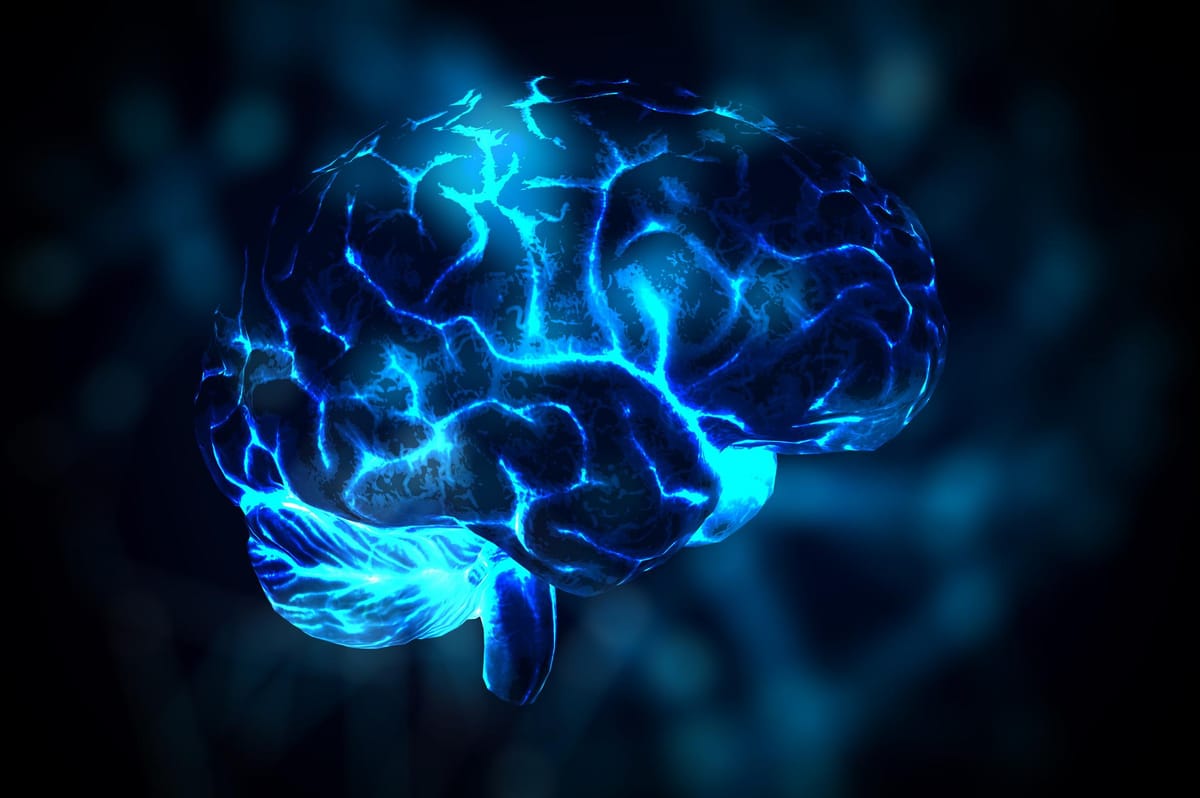
Visualization works because the brain activates many of the same neural pathways during vivid imagination as it does during real experiences. Mental rehearsal engages the motor cortex, strengthens neural circuits through neuroplasticity, and shapes expectations that influence behavior and performance.
Most people think visualization is simply imagination.
They picture someone closing their eyes, daydreaming about success, wealth, or achievement.
But neuroscience reveals something far more powerful.
When you vividly imagine an experience, your brain often activates the same neural pathways that fire during the real event.
In other words, the brain begins rehearsing the future before it happens.
This discovery has transformed fields ranging from elite athletics to neuroscience research. Olympic competitors mentally rehearse races before stepping onto the track. Surgeons visualize complex operations before entering the operating room. Musicians imagine performances before stepping onto the stage.
And long before modern neuroscience began confirming these findings, spiritual teachers such as Neville Goddard taught that imagination is the creative force behind reality.
Today, the science of the brain is beginning to explain why.
Visualization is not fantasy.
It is neurological rehearsal.
What Is Visualization?
Visualization is the intentional creation of vivid mental images that simulate real experiences.
Instead of merely thinking about a goal, visualization involves mentally seeing, feeling, and experiencing the outcome as though it were already happening.
The process engages multiple cognitive systems:
• sensory imagination
• emotional response
• motor planning
• expectation
When done correctly, visualization becomes far more than simple thinking. It becomes a simulation inside the brain.
This is why many coaches describe visualization as mental practice.
Just as athletes physically train muscles through repetition, visualization trains the brain through imagined experience.
The brain begins adapting to a future it believes may soon occur.
The Neuroscience of Visualization
Modern brain imaging studies show that visualization activates many of the same neural circuits involved in real physical actions.
This phenomenon explains why mental rehearsal can improve performance even when no physical movement occurs.
Motor Cortex Activation
One of the most striking discoveries in neuroscience is that imagining movement activates the motor cortex, the region responsible for controlling voluntary muscle movement.
When a basketball player imagines shooting a free throw, brain scans reveal activity in the same motor pathways used when physically taking the shot.
This activation allows the brain to rehearse the sequence of movements required for success.
Over time, repeated mental rehearsal strengthens these neural patterns.
When the athlete performs the action physically, the brain has already practiced it countless times.
Neural Rehearsal and Neuroplasticity
The brain changes through repetition.
Neuroscientists call this process neuroplasticity, the brain’s ability to reorganize itself by forming new neural connections.
Repeated visualization strengthens the same circuits used during real action.
This process follows a well-known neurological principle:
“Neurons that fire together wire together.”
Each time a mental image is rehearsed, the brain reinforces the pathway associated with that image.
Eventually, the brain begins treating the imagined scenario as familiar.
The result is increased confidence, faster response times, and improved execution.
If you want a deeper look at how the brain’s systems — including the prefrontal cortex, reticular activating system (RAS), hippocampus, amygdala, and basal ganglia — influence manifestation, explore our full breakdown of the neuroscience behind how the brain programs reality.
Olympic Athletes and Mental Training

Elite athletes have used visualization for decades.
Many consider it as important as physical practice.
One of the most famous examples comes from Michael Phelps, the most decorated Olympian in history.
Phelps’ coach required him to visualize every race in detail.
He would mentally rehearse:
• diving off the block
• every stroke
• every turn
• touching the wall first
But his visualization went even further.
He imagined potential problems.
Goggles filling with water.
A slow start.
A missed turn.
During the 2008 Olympics, this exact scenario occurred.
Phelps’ goggles filled with water mid-race.
He couldn’t see the wall.
But he had visualized this situation so many times that his brain executed the race automatically.
He counted strokes exactly as he had practiced in his mind.
He won the race.
Visualization had already programmed the outcome.
The Placebo Effect: Expectation Changes Biology
Another powerful example of the brain shaping reality is the placebo effect.
When patients believe they are receiving effective treatment, their bodies often respond positively—even when the treatment is inactive.
Placebo research shows that expectation can alter:
• pain perception
• hormone release
• immune responses
• brain chemistry
The brain predicts improvement, and the body responds accordingly.
Visualization works through similar mechanisms.
When the brain repeatedly imagines success or healing, it begins preparing the body for that possibility.
Expectation becomes physiology.
The Predictive Brain
Modern neuroscience suggests that the brain functions as a prediction machine.
Rather than passively reacting to reality, the brain constantly generates predictions about what will happen next.
These predictions shape perception, attention, and behavior.
Visualization helps shape those predictions.
When you repeatedly imagine a desired outcome, the brain begins treating that outcome as more likely.
This influences behavior in subtle but powerful ways.
You notice opportunities others ignore.
You act with greater confidence.
You persist longer.
Over time, these changes can dramatically influence real-world results.
Visualization in the Teachings of Neville Goddard
Long before brain scans revealed the neurological basis of visualization, spiritual teacher Neville Goddard taught that imagination creates reality.
Neville described visualization as living in the end.
Rather than hoping for a future result, he instructed students to imagine the wish already fulfilled.
His method involved creating short scenes implying the desired outcome.
For example:
• receiving congratulations
• signing a contract
• celebrating success
By repeatedly experiencing the scene in imagination, Neville believed the subconscious mind would accept it as reality.
From there, he said, life would rearrange itself through what he famously called the Bridge of Incidents.
While Neville explained this process through metaphysics, neuroscience now shows that visualization truly does reprogram the brain’s expectations.
And expectations strongly influence behavior and opportunity.
The Silva Method and Mental Programming
Visualization is also central to the teachings of José Silva.
The Silva Method teaches practitioners to enter a deeply relaxed state known as the alpha brainwave state.
In this state, visualization becomes more vivid and emotionally powerful.
Practitioners then imagine desired outcomes with intense sensory detail.
Silva believed this process allowed the subconscious mind to accept new possibilities and solutions.
Many students of the method reported improvements in:
• problem solving
• creativity
• performance
• health outcomes
While the method was once considered mystical, neuroscience increasingly supports the idea that visualization alters brain activity in measurable ways.
Joe Dispenza and Brain Rewiring
Modern teacher Joe Dispenza connects visualization directly to brain rewiring.
Dispenza teaches that the brain changes through repeated mental rehearsal of future experiences.
In his work, visualization is combined with elevated emotions such as gratitude, joy, and inspiration.
This emotional component strengthens neural pathways.
When the brain repeatedly experiences a vivid future in imagination, it begins constructing neural networks associated with that identity.
In essence, the brain begins practicing the future self.
How Visualization Influences the Body
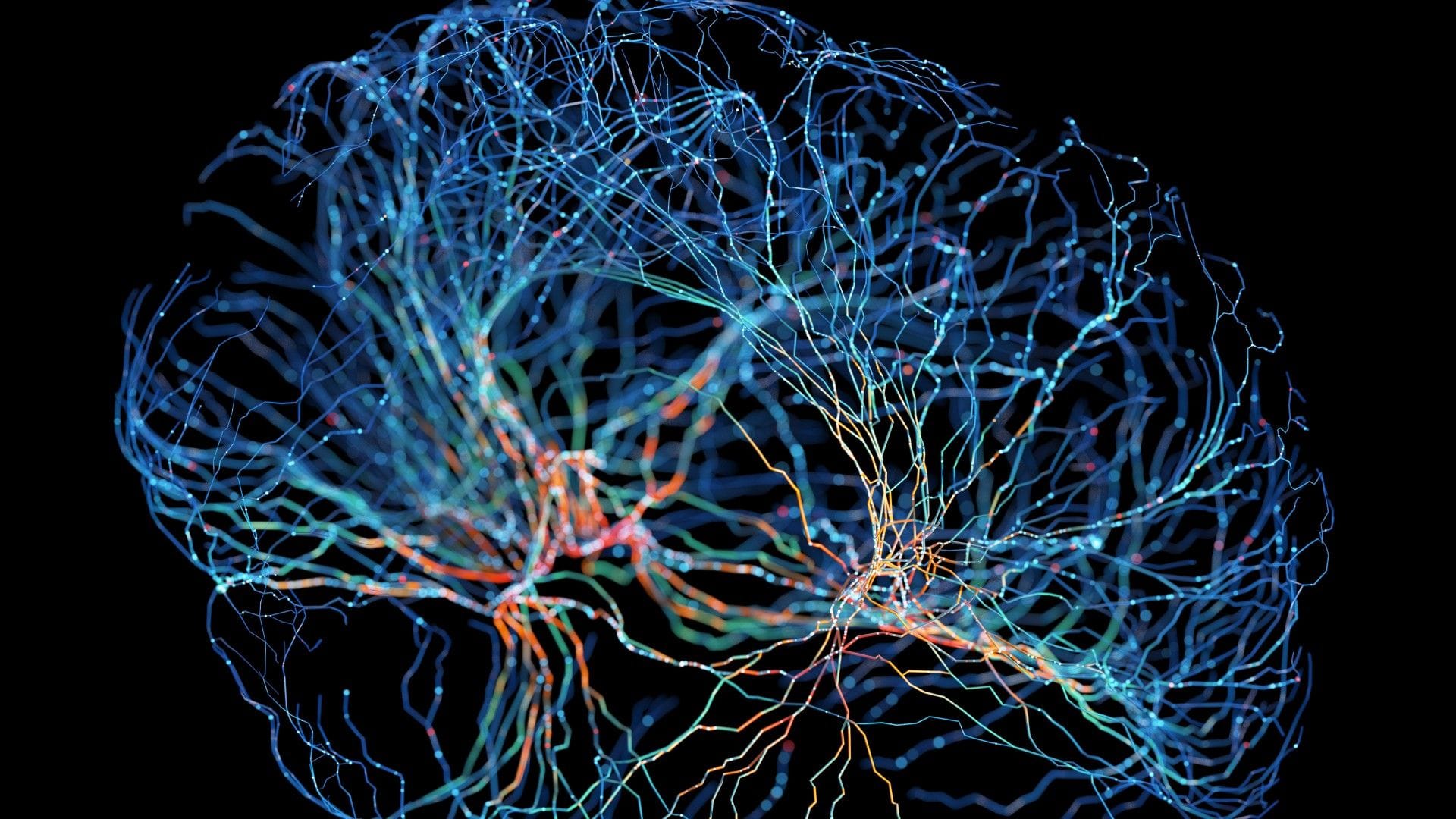
Visualization doesn’t only affect the brain.
It influences the body as well.
Research shows that mental rehearsal can produce measurable physiological effects.
Studies have found that visualization can:
• increase muscle strength
• improve motor coordination
• reduce stress hormones
• enhance immune responses
In one experiment, participants who imagined exercising their muscles experienced measurable strength gains—even without physical training.
The brain had begun sending signals to the body as though the exercise were occurring.
This demonstrates how deeply the mind and body are connected.
Why Visualization Sometimes Fails
Despite its potential, visualization does not always produce results.
Understanding why helps practitioners use the technique more effectively.
Lack of Emotional Engagement
Emotion amplifies neural activity.
When visualization is emotionally flat, the brain treats it as casual thinking rather than meaningful rehearsal.
Adding emotional intensity strengthens neural pathways.
Inconsistent Practice
Neural change requires repetition.
Practicing visualization once or twice rarely produces lasting effects.
Consistent rehearsal builds stronger circuits.
Identity Conflict
If a visualization strongly contradicts a person’s identity, the brain may resist accepting it.
For example, someone who deeply believes they are incapable of success may struggle to visualize achievement.
Gradually expanding identity through smaller visualizations often works better.
A Simple Visualization Practice
Anyone can begin practicing visualization using a simple framework.
Step 1: Enter a Relaxed State
Sit quietly and calm the nervous system.
Slow breathing helps the brain shift into a receptive state.
Step 2: Create a Short Scene
Visualize a brief moment that implies your goal is already achieved.
Examples include:
• receiving congratulations
• finishing a race
• celebrating success
Step 3: Add Sensory Detail
Imagine the scene vividly.
What do you see?
What do you hear?
What do you feel?
The more sensory detail included, the more powerfully the brain responds.
Step 4: Repeat Consistently
Practicing visualization daily reinforces the neural pathways associated with the imagined outcome.
Even five minutes per day can create meaningful neurological change.
If you want to go deeper than a single exercise, explore our Subconscious Reprogramming Library, where you’ll find guided mental rehearsal practices, subconscious rewiring techniques, and visualization-based meditations designed to help the brain install new patterns through repetition and emotional intensity.
Visualization and the Bridge of Incidents
According to Neville Goddard, when the subconscious mind accepts an imaginal scene as real, life begins arranging events to fulfill that assumption.
He called this sequence the Bridge of Incidents.
While the phrase sounds mystical, neuroscience suggests practical explanations.
Visualization changes:
• perception
• confidence
• behavior
• decision patterns
These changes influence the opportunities a person encounters and the actions they take.
In this way, visualization can indirectly reshape reality.
Visualization as Identity Training
Perhaps the most profound impact of visualization is its influence on identity.
Every repeated mental image teaches the brain something about who you are becoming.
When you repeatedly imagine success, the brain begins building neural pathways associated with that identity.
Eventually, behavior begins aligning with the imagined self.
This is why visualization is used not only in manifestation practices but also in therapy, sports training, and leadership development.
The brain learns through rehearsal.
And visualization is rehearsal for the future.
The Brain Rehearses the Future
Visualization sits at the intersection of neuroscience, psychology, and spiritual philosophy.
Research shows that mental rehearsal activates neural pathways, strengthens circuits through neuroplasticity, and shapes expectations that influence behavior.
Athletes use visualization to win competitions.
Scientists study its effects on the brain.
Teachers of manifestation describe it as the creative power of imagination.
Different disciplines use different language.
But they all point toward the same insight:
The brain begins living the future before it happens.
And through repetition, belief, and action, that imagined future can begin taking form in reality.

Explore the Subconscious Reprogramming Library
Visualization is only the beginning. When mental rehearsal is repeated with emotion and identity alignment, the subconscious mind begins accepting the imagined reality as natural.
The Subconscious Reprogramming Library expands on these principles with guided meditations, identity reprogramming sessions, and deep subconscious training designed to help you reshape belief patterns at the root.
Enter the Library →