Paradigm Shifts: The Proctor Blueprint for Radical Life Change
Bob Proctor’s formula for a paradigm shift: rewire your subconscious through repetition or shock. Change your inner code, and life follows.


Audio Course
The Paradigm Shifts. Then the Laws Take Over.
Bob Proctor taught that a paradigm shift is not the end of the work — it is the beginning. Once the subconscious program changes, you begin operating in a field governed by seven universal laws that determine how energy moves, how results are created, and how ideas become reality. This 54-minute audio course covers the complete system Bob Proctor spent 60 years teaching.
Includes:
54-minute audio course · All seven laws explained · Companion guide PDF
One-time purchase. Instant access. No subscription.
The Universe Unveiled is a manifestation and mind mastery platform for seekers, creators, and conscious visionaries ready to reprogram the subconscious mind and align with universal law. In this post, we explore Bob Proctor's most revolutionary concept: the paradigm shift. Understanding paradigms—your internal mental programs—is the key to changing habits, beliefs, and outcomes. When you shift a paradigm, you shift your reality. And this blog reveals exactly how to begin.
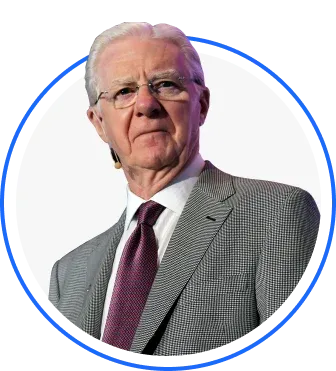
Introduction: Why You Don’t Need to Fix Your Life — You Need to Shift Your Paradigm
Bob Proctor didn’t teach surface-level motivation.
He taught structural change at the level of the subconscious mind.
According to Proctor, every visible result in life — income, relationships, habits, emotional reactions, and opportunities — is an effect, not a cause.
The real cause lies beneath conscious awareness.
It lies in the paradigm.
A paradigm is a subconscious conditioning system formed through:
- childhood programming
- repeated emotional experiences
- cultural expectations
- inherited belief structures
- environmental conditioning
Once installed, the paradigm becomes the autopilot of your life.
This explains why many people experience the same patterns repeatedly:
- the same financial ceilings
- the same relationship dynamics
- the same cycles of motivation and burnout
- the same emotional triggers
They are not consciously choosing these patterns.
Their paradigm is.
Proctor summarized it in one of his most famous teachings:
“If you want to change your results, you must change the paradigm that produces them.”
This is not positive thinking.
It is subconscious restructuring.
Listen to this breakdown of how deep-rooted thought structures quietly shape your daily decisions, results, and identity. This video explores the hidden mechanics of inner transformation—how subconscious cycles are formed and how to disrupt them to experience a total shift in perception, behavior, and personal reality. Perfect for those ready to break out of inherited mental frameworks and step into conscious creation.
What Is a Paradigm?

A paradigm is a mental program embedded in the subconscious mind.
It is a composite of:
- beliefs
- habits
- emotional responses
- self-image patterns
- automatic behaviors
Together, these elements form the invisible framework through which you interpret reality.
In modern psychological language, a paradigm functions similarly to what researchers call cognitive schemas — internal mental models that shape perception and behavior.
But Proctor went further.
He argued that paradigms control the results a person is able to produce.
For example:
A person with a scarcity paradigm may:
- avoid financial opportunities
- sabotage business growth
- feel uncomfortable receiving money
- unconsciously return to familiar income levels
Meanwhile, a person with an abundance paradigm will:
- recognize opportunities quickly
- feel comfortable generating wealth
- take action confidently
- expand into higher levels of success
The external difference appears to be circumstance.
But the real difference lies in the internal paradigm.
The Full System
A New Paradigm Without the Laws Is a New Program Running in the Wrong Direction.
The scarcity paradigm keeps you avoiding opportunity. The abundance paradigm opens you to it. But the Law of Vibration determines the frequency you are broadcasting once the paradigm shifts. The Law of Cause and Effect determines what actions that new paradigm sets in motion. The Law of Gestation determines how long before results appear. Bob Proctor never separated the paradigm from the laws — because the laws are what the new paradigm operates inside.
"I agree with the other reviews — it is worth more than $29. You will get far more out of it than what it costs if you apply the laws as taught."
— Liz · Verified Purchase
Includes:
54-minute audio course · All seven laws explained · Companion guide PDF
One-time purchase. Instant access. No subscription.
The Historical Roots of the Paradigm Concept
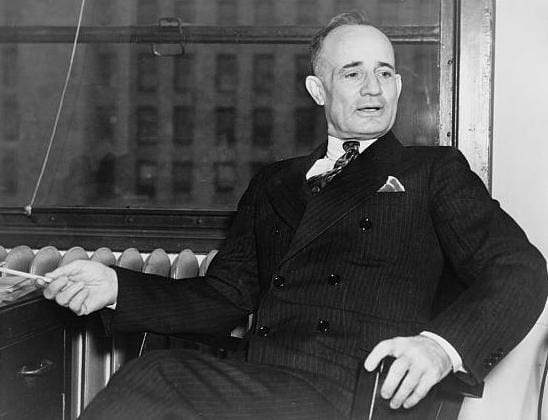
Although Bob Proctor popularized the term “paradigm shift” in modern personal development, the idea has deep historical roots.
Proctor’s own awakening began in 1961 when he encountered Napoleon Hill’s classic book Think and Grow Rich.
At the time, Proctor was struggling financially.
But Hill’s work introduced him to a radical idea:
The mind creates the conditions of life.
Hill wrote:
“Whatever the mind can conceive and believe, it can achieve.”
Proctor took this message seriously.
He read Think and Grow Rich every day for more than 50 years, gradually restructuring his subconscious beliefs about money, success, and possibility.
The result was extraordinary.
He went from earning a few thousand dollars a year to becoming one of the world’s most influential teachers of prosperity consciousness.
What changed?
His paradigm.
Why Paradigm Shifts Are the Real Secret of Manifestation
The modern manifestation movement often emphasizes techniques:
- affirmations
- visualization
- scripting
- gratitude practices
While these tools are powerful, Bob Proctor consistently emphasized that techniques alone are not enough.
If the subconscious paradigm remains unchanged, the old programming will eventually override the new intention.
This is why many people experience temporary progress followed by regression.
The conscious mind sets a goal.
But the subconscious paradigm pulls life back to its familiar baseline.
A true paradigm shift changes that baseline.
It expands the internal self-image to include new possibilities.
When this occurs, results begin to change naturally.
Proctor described this moment as a quantum leap in awareness.
The Neuroscience Behind Paradigm Shifts
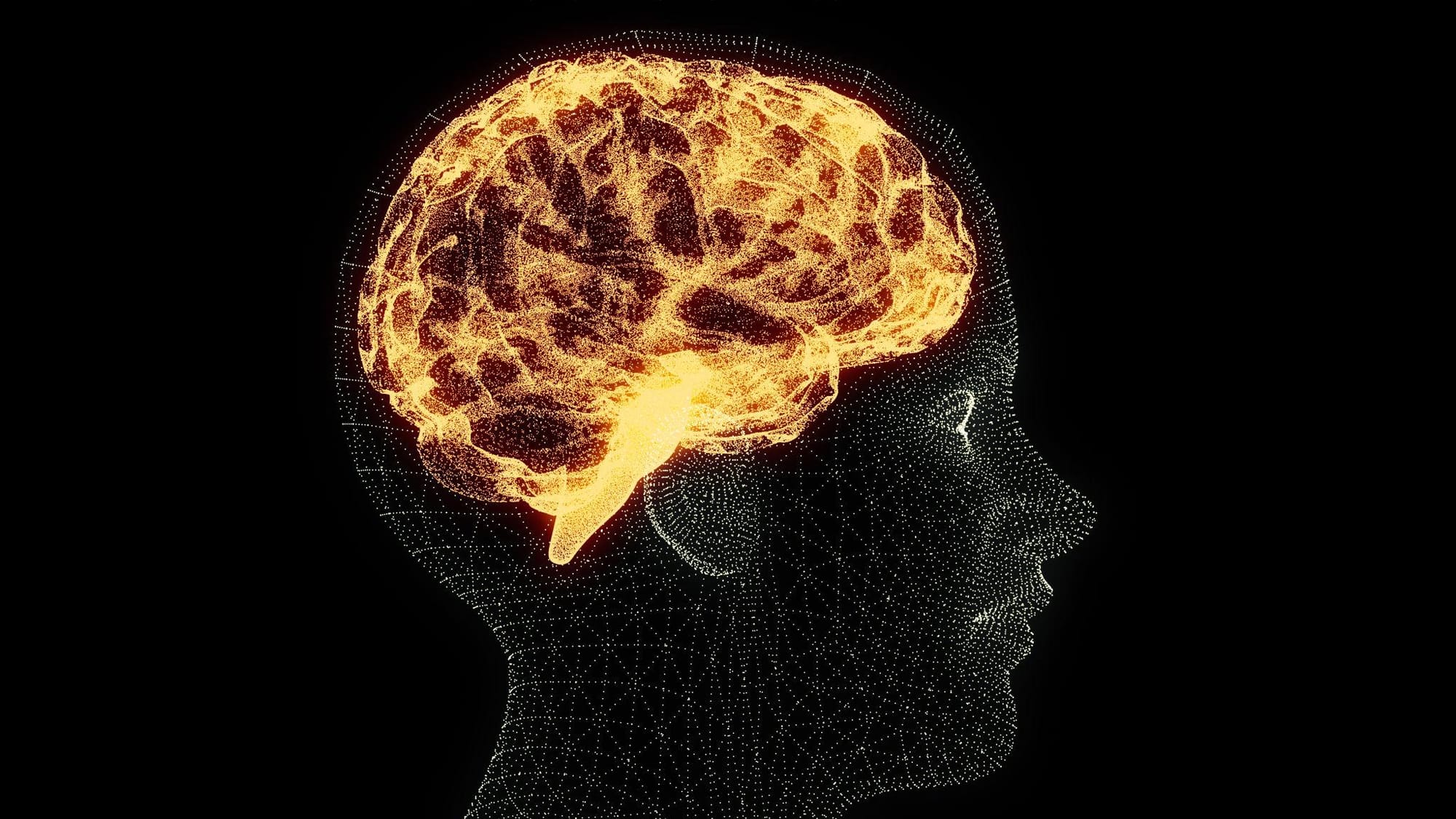
Modern neuroscience supports many aspects of Proctor’s teachings.
The brain operates through neural pathways — networks of neurons that strengthen through repetition.
This process is known as neuroplasticity.
When a thought or behavior is repeated consistently:
- the neural pathway strengthens
- the behavior becomes automatic
- the response becomes subconscious
This explains why habits are so difficult to change.
The brain prefers familiar pathways.
But neuroplasticity also reveals something powerful:
New pathways can be created.
When a person repeatedly introduces a new belief, visualization, or emotional experience, the brain begins constructing new neural circuits.
Over time, these circuits can replace the old pattern.
This is precisely what Bob Proctor meant by shifting the paradigm.
How Paradigm Shifts Actually Happen
Bob Proctor taught that there are two primary pathways to a paradigm shift.
1. Repetition With Emotion
The most reliable method for changing a paradigm is consistent repetition combined with emotional intensity.
This includes practices such as:
- affirmations
- visualization
- journaling
- meditation
- repeated study of empowering material
Emotion is essential because the subconscious mind responds most strongly to felt experience, not just intellectual ideas.
When a new belief is repeated with emotion, the subconscious begins accepting it as reality.
Eventually, the paradigm reorganizes itself around the new idea.
2. Sudden Emotional Impact
Paradigms can also shift suddenly through powerful emotional experiences.
Examples include:
- major life crises
- profound spiritual awakenings
- life-changing mentorship encounters
- near-death experiences
- transformative insights
These moments temporarily destabilize the existing mental structure, allowing new beliefs to enter rapidly.
Proctor often described this as a shock to the system.
But he also emphasized that intentional repetition is a more stable and reliable path.
🧭 This process uses your higher faculties. Learn more in our blog on Bob Proctor’s Mental Faculties.
The Cost of Not Shifting Your Paradigm
If the paradigm remains unchanged, life tends to repeat itself.
You may notice patterns such as:
- setting goals but never reaching them
- earning more money but returning to old income levels
- attracting the same relationship dynamics repeatedly
- feeling stuck despite personal growth efforts
This happens because the subconscious mind seeks familiar emotional territory.
The paradigm acts like a thermostat.
Even when circumstances temporarily improve, the system pulls life back to its programmed setting.
Until the paradigm changes, the results remain largely the same.
Real-World Examples of Paradigm Shifts
Paradigm shifts appear throughout many success stories.
For example:
A struggling entrepreneur rewires their money beliefs and suddenly begins recognizing opportunities they previously ignored.
An athlete transforms their self-image and begins performing at a championship level.
A recovering addict replaces an identity of self-destruction with an identity of leadership and service.
In each case, the external transformation begins with an internal redefinition of identity.
In the Teachings of The Universe Unveiled
At The Universe Unveiled, paradigm shifts are understood as identity transitions.
They represent moments when a person stops operating from inherited programming and begins creating life consciously.
A paradigm shift is not simply an improvement.
It is a rebirth of self-concept.
The old identity dissolves.
A new identity emerges.
And because reality reflects identity, the external world begins reorganizing around the new internal structure.
This is why paradigm shifts often feel dramatic.
They are not incremental adjustments.
They are quantum changes in consciousness.
Master the Full System
You Now Understand What a Paradigm Is.
Now Learn the Laws It Operates Inside.
Bob Proctor read Think and Grow Rich every day for 50 years — not because the information changed, but because repetition is how paradigms shift. He then spent those same decades teaching that a shifted paradigm plugs directly into seven universal laws that govern how that new program produces results. Understanding the paradigm without the laws is understanding the engine without the road. This course gives you both.
"Great course if you are looking to use these laws to master your life. Very professionally done."
— Mike · Verified Purchase
Includes:
54-minute audio course · All seven laws explained · Companion guide PDF
One-time purchase. Instant access. No subscription.
Learn how to create a paradigm shift with Bob Proctor’s most powerful teachings. This episode unpacks how subconscious programming keeps you stuck—and how repetition or emotional impact can rewire your results from the inside out.